If you love slow-cooked, fall-off-the-bone meat in a rich and fragrant broth, let me introduce you to Sop Konro — one of Indonesia’s most flavorful dishes. Known in English as Indonesian Beef Rib Soup, this culinary gem from Makassar, South Sulawesi, combines tender beef short ribs with a medley of warm spices, creating a deeply comforting dish that warms both the body and soul.
A Taste of Makassar
Makassar, a port city in South Sulawesi, Indonesia, has long been a melting pot of cultures and flavors. Spices arrived here centuries ago via traders from India, Arabia, and China, and over time, Makassar’s cooks wove them into dishes that now define the region’s cuisine. Among these is Sop Konro, a dish so beloved that it appears at weddings, Eid celebrations, and family feasts.
The word konro in the local Bugis-Makassar language means “cow” or “beef,” and historically, this soup wasn’t made with beef at all — it was made with water buffalo. In traditional ceremonies, buffalo were slaughtered for their meat, and the ribs were slowly simmered into a broth. By the 1990s, however, buffalo became scarce and expensive, so beef short ribs became the standard.
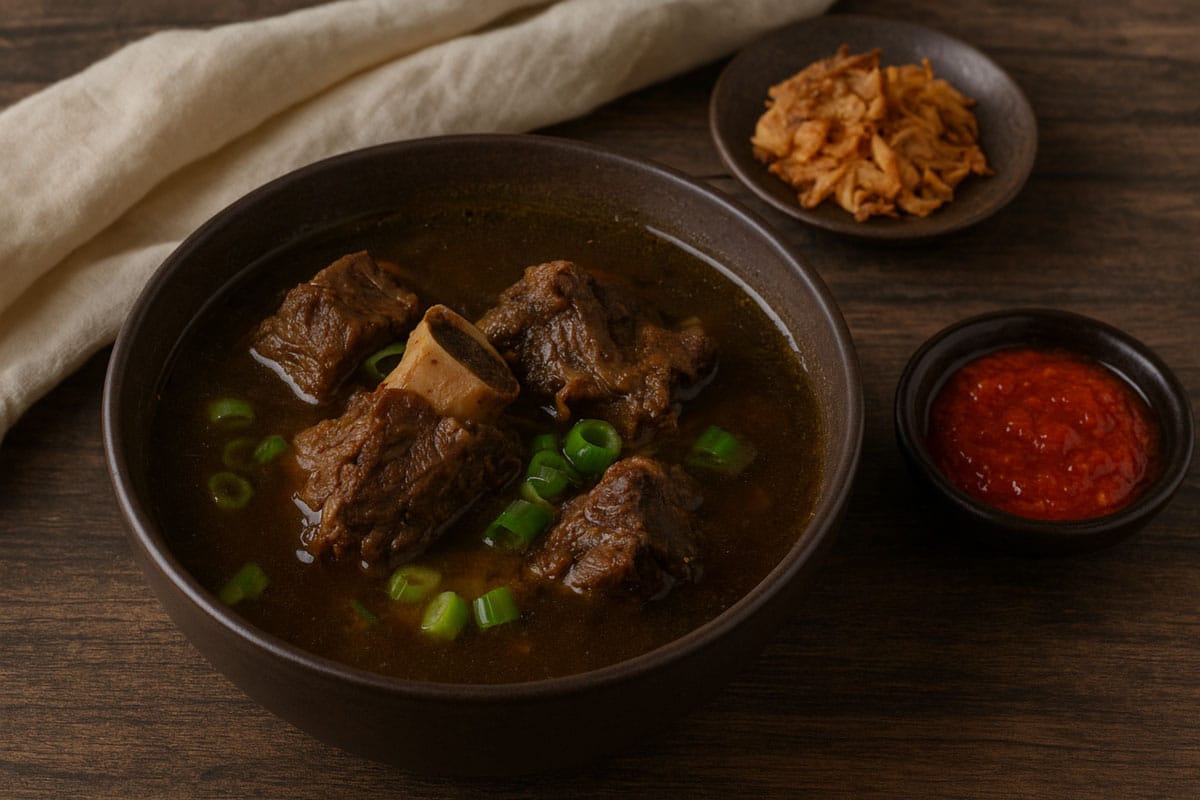
Indonesian Beef Rib Soup – Sop Konro
Ingredients
Instruction
- Prepare the ribsBoil the beef ribs in water for 5 minutes to remove impurities. Drain and rinse.
- Make the spice pasteBlend garlic, shallots, nutmeg, and pepper until smooth, adding a little water if needed.
- Sauté the spicesHeat oil in a large pot over medium heat. Add the spice paste along with cinnamon, cardamom, star anise, cloves, ginger, lemongrass, and bay leaves. Cook until fragrant, about 4 minutes.
- Simmer the soupAdd ribs and pour in 16 cups water. Stir in keluak paste or sweet soy sauce, salt, and sugar. Bring to a boil, then lower heat and simmer for 2–2½ hours until ribs are tender and broth reduces to about 6 cups. Skim off foam or excess fat.
- Finish the soupAdd sliced green onions just before serving.
- Make the chili sauceFry chilies (and shallots, if using) until softened. Grind into a paste, then mix with sweet soy sauce.
- ServeServe hot soup with ribs in deep bowls, accompanied by chili sauce on the side.
Notes
- Beef Ribs: Short ribs are best, but beef back ribs work too. Increase cooking time slightly if using meaty back ribs.
- Kluwek: Adds dark color and earthy flavor, but can be replaced with sweet soy sauce for convenience.
- Sweet Soy Sauce: If unavailable, combine soy sauce with brown sugar or molasses.
- Bay Leaves: Indonesian bay leaves are different from Western; reduce to 1–2 leaves if using the latter.
- Heat Level: Bird’s eye chilies are hot. For a milder sauce, use Fresno or jalapeños.
- Make Ahead: Soup can be made 1 day ahead — flavors improve overnight.
The Anatomy of Sop Konro
At its heart, Sop Konro is Indonesian short rib soup — but not just any soup. The beef ribs are slow-simmered until the meat nearly slides off the bone. The broth is a masterpiece of flavor: cloves, cinnamon, nutmeg, coriander, galangal, lemongrass, and bay leaves all mingle together. The key ingredient that gives the dish its signature deep brown color and earthy flavor is keluak (also spelled kluwak) — a fermented nut also used in Surabaya’s rawon.
While rawon is jet-black, Sop Konro’s broth tends toward dark brown with a reddish hue, thanks to its slightly different spice blend. And unlike rawon, which uses chunks of beef, Sop Konro always features ribs — making it more dramatic on the table and more satisfying to gnaw.
Sop Konro vs. Rawon: Same Ingredient, Different Soul
Both Sop Konro and rawon use keluak, but that’s where the main similarity ends.
- Rawon (from Surabaya, East Java) is known as “black soup” and has a strong, almost coffee-like depth from keluak. The meat is cut into bite-sized cubes and cooked in the broth until tender.
- Sop Konro features bone-in beef ribs, giving the broth a fattier, richer mouthfeel. The spice mix is heavier, with cinnamon, cloves, and cardamom adding a warm, almost Middle Eastern note.
Think of it this way: if rawon is deep and brooding, Sop Konro is bold and aromatic, with a regal presence.
Sop Konro vs. Coto Makassar: Brothers from the Same City
Makassar is also home to Coto Makassar, another famous Indonesian soup. At first glance, you might think they’re similar — both are beef-based soups from the same region. But here’s the difference:

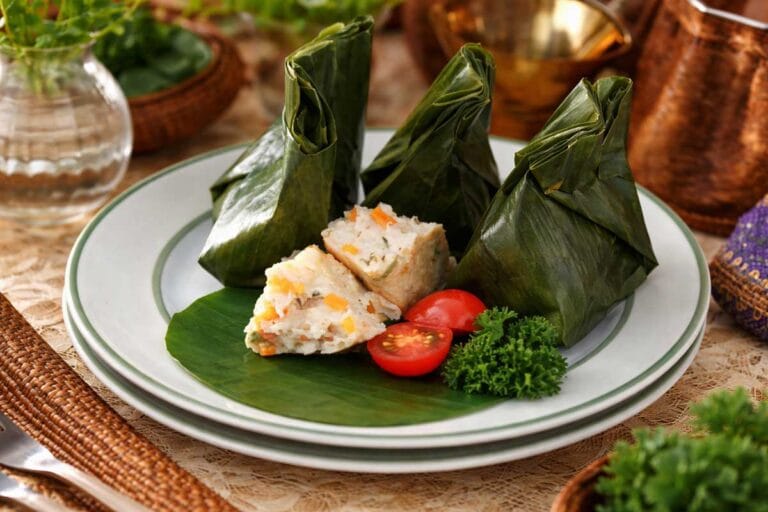
- Coto Makassar uses sliced beef and beef offal, simmered in a peanut-based broth with a completely different spice profile. It’s served with burasa (rice cakes wrapped in banana leaves) instead of plain rice.
- Sop Konro, on the other hand, is pure rib indulgence. The spices are heavier on aromatics like cinnamon, nutmeg, cloves, and keluak, and it’s usually served with steamed white rice.
If Coto Makassar is earthy and nutty, Sop Konro is deep, spiced, and bone-rich.
What Does It Taste Like?
Imagine taking a sip of hot beef broth on a cold day — now imagine that broth layered with the warmth of nutmeg, the sweetness of cinnamon, the floral hint of cloves, and the slight bitterness of keluak. The meat is fall-off-the-bone tender, and the fat from the ribs melts into the broth, giving it a luscious mouthfeel. On the side, a sweet soy chili sauce (sambal kecap) adds a punch of heat and sweetness when drizzled over the meat.
To a Western palate, Sop Konro’s flavor is somewhere between Vietnamese pho (because of the aromatics), Moroccan beef tagine (because of the warm spices), and a rich beef stew (because of the hearty broth). It’s exotic yet familiar — adventurous eaters will love it, but even those who prefer “safe” flavors will find it comforting.

Serving Traditions in Indonesia
In Makassar, Sop Konro is often served in a deep bowl, with the ribs standing tall or leaning dramatically against the side. It comes with steamed white rice or ketupat (rice cakes) and a small dish of sambal kecap. Some modern restaurants serve Konro Bakar, where the ribs are grilled first, then served with a side of the rich broth for dipping.
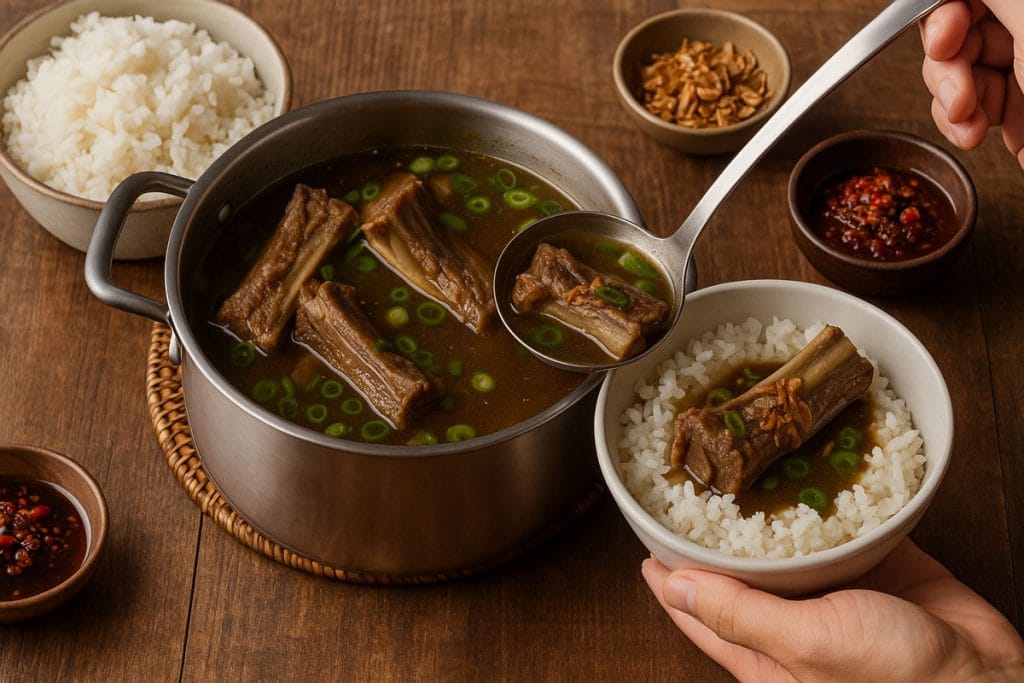
During Eid or weddings, Sop Konro is a centerpiece — big pots bubbling on the stove, family members ladling portions into bowls, and the unmistakable scent of cloves and cinnamon filling the air.
How to Serve Sop Konro for a Western Audience
While Sop Konro is traditionally eaten with rice, you can adapt the presentation to suit Western dining:
- Serve it in shallow pasta bowls with the rib placed across the center and a ladle of broth poured over.
- Pair with crusty bread or garlic naan for dipping instead of rice.
- Offer the sweet soy chili sauce in a ramekin for dipping the meat, similar to barbecue sauce.
- Garnish with fresh herbs like cilantro or parsley for a touch of green.
For dinner parties, Sop Konro makes a stunning main course — the towering ribs and dark broth make for an impressive plate.
Is Sop Konro Right for the American and European Palate?
Absolutely. While it’s an Indonesian comfort food recipe, the base flavors are familiar enough — beef, warm spices, savory broth — that Western diners won’t feel lost. The only potentially unfamiliar element is keluak, but with sweet soy sauce as a substitute, the dish retains its richness without alienating the taste buds.
Plus, beef short ribs are already a popular cut in American barbecue and European braises, so seeing them in soup form is both surprising and enticing.
Why Sop Konro Deserves a Spot in Your Kitchen
Sop Konro is more than just an Indonesian soup — it’s a cultural handshake from Makassar to the world. Every spoonful tells a story of trade winds bringing spices to Sulawesi, of family gatherings on Eid, and of the slow, satisfying ritual of simmering ribs until they yield to your fork.
Whether you follow a traditional Sop Konro recipe or create your own spin with grilled ribs and bread, the essence remains the same: bold flavors, tender meat, and a broth that feels like a warm embrace.
Final Serving Suggestion
For the full Makassar experience, serve Sop Konro with:
- Steamed jasmine rice or warm ketupat
- A small dish of sambal kecap
- A wedge of lime for brightness
- Sweet iced tea or a cold beer for balance
And remember: this is not a dainty soup. Sop Konro invites you to pick up the rib, take a big bite, and let the broth run down your spoon — it’s rustic, it’s hearty, and it’s unforgettable.