A captivating look at one of Indonesia’s boldest, rarest, and most misunderstood culinary traditions
Introduction — A Truly Exotic Indonesian Dish
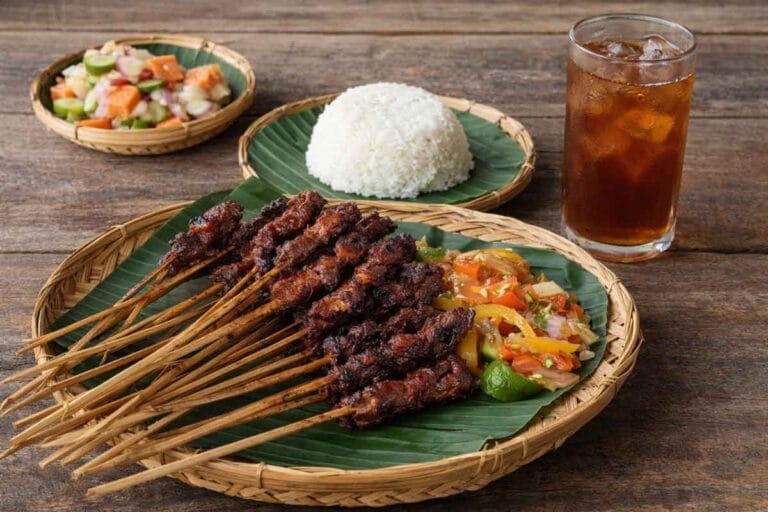
In Indonesia, Sate Torpedo Kambing is widely known as one of the country’s most exotic dishes—so exotic, in fact, that even many Indonesians themselves hesitate before trying it. Not because it’s satay (Indonesia’s most beloved grilled food), but because of the main ingredient: torpedo kambing, or goat testicles.
Yes, goat testicles.
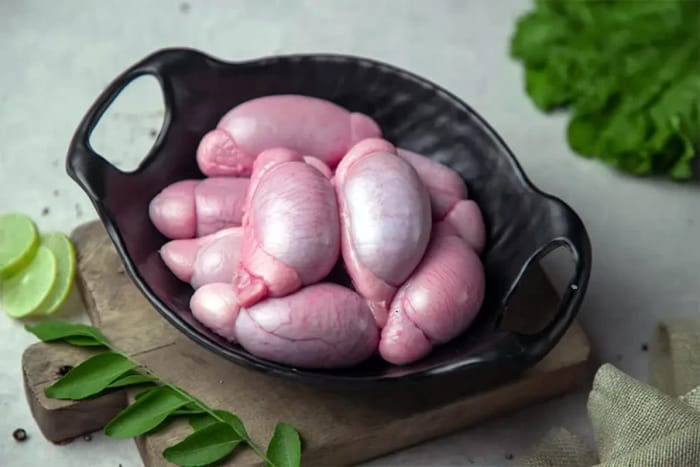
A uniquely shaped, soft, nutrient-dense organ that many Indonesians jokingly describe as looking like a “mini submarine torpedo.” And just like its name, this delicacy tends to make people imagine all sorts of things—especially women, who often react with a mix of shock, laughter, or slight disgust before anyone even mentions the flavor.
Yet despite the initial hesitation, Sate Torpedo has an undeniable charm.
It’s rare, intriguing, and deeply rooted in local tradition. And once cooked properly, the result is unexpectedly tender, creamy, smoky, and unforgettable.
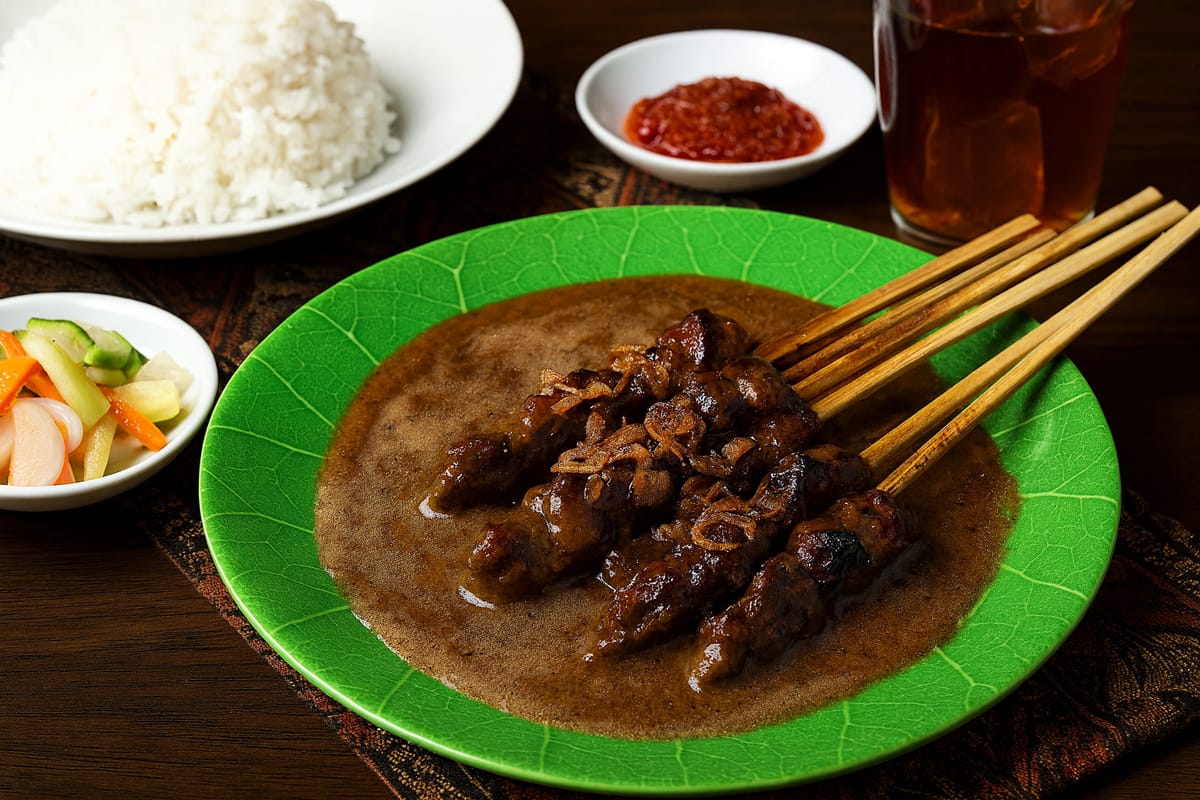
Grilled Goat Testicle Skewers with Peanut Marinade (Sate Torpedo Kambing)
Ingredients
Instruction
- Rinse the goat testicles thoroughly under running water.
- Remove the thin membrane by making a small slit in the surface and peeling it off. This helps reduce odor and improves texture.
- Soak in milk overnight (8–12 hours) in the refrigerator.– This is the most effective Western-style deodorizing method, based on ShepherdSongFarm’s recommendation.– Milk draws out odor compounds and softens the texture.
- After soaking, drain and rinse again under running water.
- Blanch in boiling water for 2 minutes to further remove any remaining odor.
- Drain, then soak briefly in a mixture of 1 tbsp lemon/lime juice + 1 tsp salt for 10 minutes (optional but recommended for a fresher aroma).
- Rinse again.
- Bring a pot of clean water to a boil, then simmer the testicles for 10 minutes until slightly firm.
- Let cool, then cut into 1–1.5 cm slices.
- In a blender or mortar and pestle, combine: roasted peanuts, garlic, shallot, ginger, candlenut, coriander, salt, brown sugar, kecap manis, soy sauce, and water.
- Blend or pound until smooth but slightly textured.
- Place the sliced goat testicles in a bowl.
- Add the peanut marinade and coat evenly.
- Marinate for at least 30 minutes (longer = deeper flavor).
- Thread the pieces onto bamboo skewers.
- Heat a grill or grill pan.
- Cook the skewers over medium heat, basting occasionally with leftover marinade, until browned and lightly caramelized.
- Thin leftover marinade with a bit of hot water to make a sauce.
- Drizzle lightly over the skewers or serve on the side.
- Add lime juice for brightness.
Notes
1. Ingredient Availability
- Goat testicles: Found at halal butchers, Middle Eastern shops, African markets, or specialty meat suppliers.
-
Kecap manis (Indonesian sweet soy sauce):
Widely available in Asian supermarkets or on Amazon (ABC, Bango).
Substitute: 1 tbsp soy sauce + 1 tbsp brown sugar (reduced on low heat).
2. Texture Considerations
Goat testicles have a soft, creamy, tender texture—similar to soft seafood scallops when grilled.This is normal and part of their appeal.
3. Peanut Substitutions
If peanuts are unavailable or allergies are a concern:✔ cashews
✔ almond butter
✔ sunflower seed butter
4. Making the Flavor More Western-Friendly
To lighten or balance the flavor for Western palates:- Add 1 tsp lime juice to the marinade
- Reduce coriander if the aroma feels too earthy
- Add ½ tsp chili flakes for mild heat (optional)
5. Grill Alternatives
If no outdoor grill is available:- Use a grill pan
- Use the oven broiler (8–10 minutes, turning once)
What Exactly Is Torpedo Kambing?
Torpedo kambing refers to the testicles of a goat, a glandular organ responsible for producing testosterone and sperm cells. It is considered a special cut, often saved for men and believed to improve stamina or male vitality.
Traditionally, it is:
- Cleaned thoroughly
- Marinated in spices
- Skewered
- Grilled over charcoal like regular satay
The texture is described as soft, tender, slightly chewy, and creamy, with a rich, fatty flavor when grilled.
A Brief History: Why Indonesians Consider It a “Man’s Dish”
For generations, goat testicles have held a reputation in Indonesian culture as a supposed male vitality booster. Many men believe it enhances libido, stamina, or overall strength—especially when eaten during Idul Adha, when fresh goat meat is abundant.
However, medical experts—including Prof. Dr. Ari Fahrial Syam from Universitas Indonesia—stress that this belief is a myth or hoax, not supported by scientific evidence.
Still, the belief persists, not unlike how oysters in Western cuisine are also romantically linked to aphrodisiac myths.
Is It Really Exotic? Absolutely—Even in Indonesia
Unlike chicken satay or lamb satay found on every street corner, Sate Torpedo is:
- Not commonly sold
- Not available at most satay vendors
- Often cooked only at home
- Mostly consumed during Idul Adha by families who slaughter goats
Its rarity alone makes it a local exotic delicacy.
But for Western audiences—Americans, Europeans, Canadians—this dish becomes even more exotic, falling into the same culinary category as:
- Rocky Mountain oysters
- Lamb testicle kebabs in Turkey
- Bull testicle tapas in Spain
Except Sate Torpedo carries a distinctly Indonesian flavor profile.
Nutritional Benefits — What Science Actually Says
Despite the lack of evidence for its supposed sexual benefits, goat testicles do offer real nutritional value. Nutritional studies show that goat testicles contain:
1. High in Protein
Supports muscle growth and cell repair.
2. Rich in Energy
Contains calories, fat, and protein—ideal for rebuilding stamina after activity.
3. B Vitamins
Especially riboflavin (B2) and niacin (B3), which support:
- nervous system health
- metabolism
- healthy skin and eyes
4. Essential Minerals
Including:
- Zinc → boosts immunity
- Iron → prevents anemia
- Phosphorus → strengthens bones and teeth
- Selenium → antioxidants that fight free radicals
Potential Risks — What You Should Know
However, there are important health considerations to keep in mind.:
1. Very High Cholesterol
Up to 375 mg per 100 grams, making it a risky choice for:
- heart disease patients
- individuals with hypertension
- those with high cholesterol
2. Risk of Foodborne Illness
If not cooked or cleaned properly, they may carry bacteria or parasites.
3. Possible Allergic Reactions
Like other organ meats, testicles may trigger allergies in sensitive individuals.
Conclusion:
Delicious and nutritious—but moderation is key.
Why the Milk Soak Matters
One of the most useful tips is that torpedo kambing has a strong smell, and requires a special cleaning method.
A U.S.-based farm source, ShepherdSongFarm, recommends soaking testicles in milk overnight to neutralize the odor. After this, they are blanched in hot water for 10 minutes and peeled before cooking.
This technique is perfect for Western home kitchens, where strong odors are less tolerated.

How Sate Torpedo Is Enjoyed in Indonesia
Traditionally, it is:
- marinated in spices
- skewered
- grilled over charcoal
- served with kecap manis, lime, and sambal
Street food vendors rarely sell it, so trying it often requires knowing the right home cook or preparing it yourself.
Other Goat Testicle Dishes in Indonesia
Goat testicles aren’t only grilled. They can be found in:
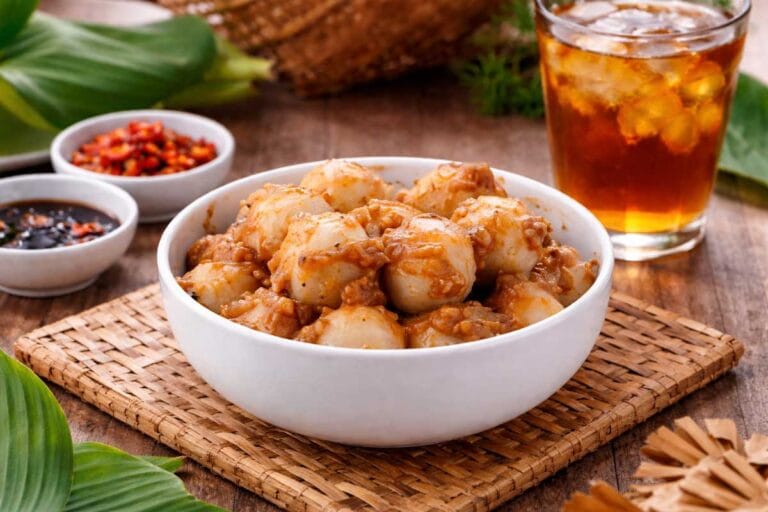
- Gulai torpedo → spiced coconut curry
- Sop torpedo → clear broth soup with aromatics
- Torpedo tumis pedas → spicy stir-fry
- Torpedo goreng → seasoned deep-fry
Each preparation highlights the soft, custardy texture in different ways.
Similar Dishes Around the World
You may be surprised to learn that goat or animal testicles are consumed in several cultures:
United States
- Rocky Mountain Oysters (bull testicles) — fried and served with dipping sauce
- Popular in Colorado, Montana, Wyoming
Spain
- “Criadillas” — bull testicle tapas
Turkey & Middle East
- Testicle kebabs grilled with spices
China
- Cooked in hot pot or stir-fried
Mexico
- “Machitos” — goat organ skewers sometimes include testicles
This makes Sate Torpedo not just an Indonesian oddity, but part of a global tradition of consuming organ meats.
How to Serve Sate Torpedo for Western Eaters
Here are practical tips to make it approachable for Western palates:
1. Slice into smaller, non-intimidating pieces
Western diners may hesitate if the shape is too recognizable.
2. Pair with familiar sauces
Such as:
- peanut sauce
- lime
- soy-based marinades
3. Present it like a gourmet grilled skewer
Think of it like serving scallops or sweetbreads—small bites, beautifully plated.
4. Tell the story
Western foodies love a dish with culture, history, and narrative.
Tips for Cooking Goat Testicles (Beginner-Friendly)
For the best results:
1. Clean thoroughly
Remove membranes.
2. Soak in milk overnight
Best way to eliminate odor.
3. Blanch in hot water
Removes final traces of smell.

4. Use aromatic spices
Ginger, garlic, coriander, and lime neutralize strong notes.
5. Grill, don’t boil
Grilling adds smoky flavor and better texture.
Should You Try It? Absolutely—At Least Once.
Like many exotic dishes around the world, Sate Torpedo Kambing is more than just food.
It’s:
- a cultural experience
- a culinary adventure
- a window into Indonesia’s food traditions
- a story to tell your friends
And yes, it might challenge your expectations.
It might even challenge your comfort zone.
But that’s exactly what makes food exploration exciting.
Final Thoughts — An Exotic Dish Worth Exploring
Goat Testicle Satay may sound intimidating at first glance, but with the right preparation and an open mind, it becomes a rich, flavorful, and surprisingly delicate culinary experience.
It carries cultural stories, nutritional value, and a fascinating place in Indonesia’s diverse food landscape.
If you’re a food explorer, a culinary adventurer, or simply curious about global cuisine, this is an exotic dish you shouldn’t miss.
A Gentle Invitation
If you ever decide to cook Sate Torpedo Kambing at home, give it a try—and don’t forget to share your experience.
Did it surprise you? Impress you? Challenge you? Or even win you over?
Food becomes more meaningful when shared.