An Indonesian Fusion Dessert That Bridges Cultures
When you first hear the word “tart” in Indonesia, it probably reminds you of a frosted birthday cake — a tall sponge layered with cream and candles. But in the Western world, a tart is something entirely different: a buttery pastry shell filled with fruit or custard, open-faced and golden from the oven. And when these little pastries shrink to bite size, they become tartlets — small, delicate, and perfectly portioned desserts.
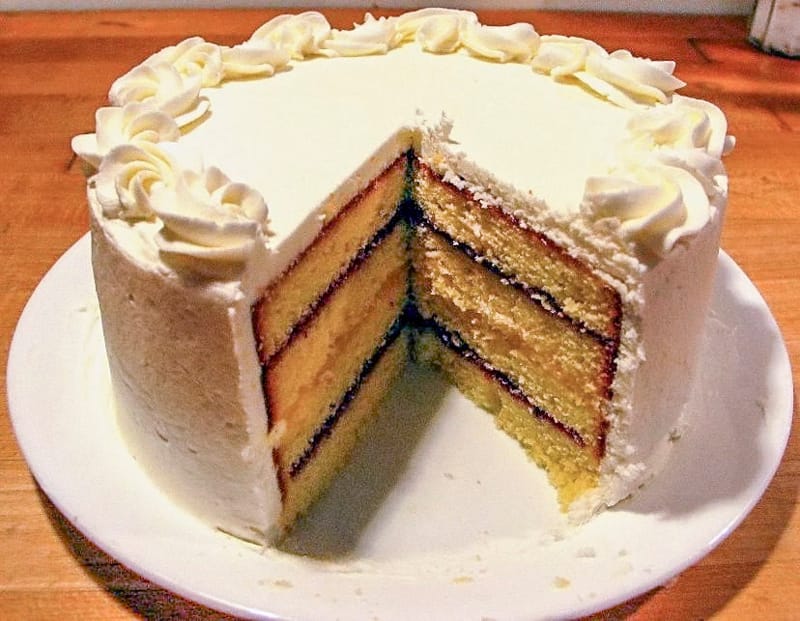
Our Mini Cherry Tartlets with Peanut Butter Crust (Tart Ceri Hitam Mini dengan Selai Kacang) take that idea one step further. It’s a fusion dessert that connects Western pastry tradition with Indonesian home-baking flavors. The crust combines mentega (butter) and selai kacang (peanut butter) — a familiar ingredient in Indonesian kitchens — giving the tartlet a nutty, rich aroma rarely found in classic European pastries. Inside, a soft buttery filling cradles tangy dark cherries, marrying sweetness and acidity in perfect harmony.
But to understand why this humble tartlet matters, we have to go back thousands of years — to the origins of the pie and tart itself.
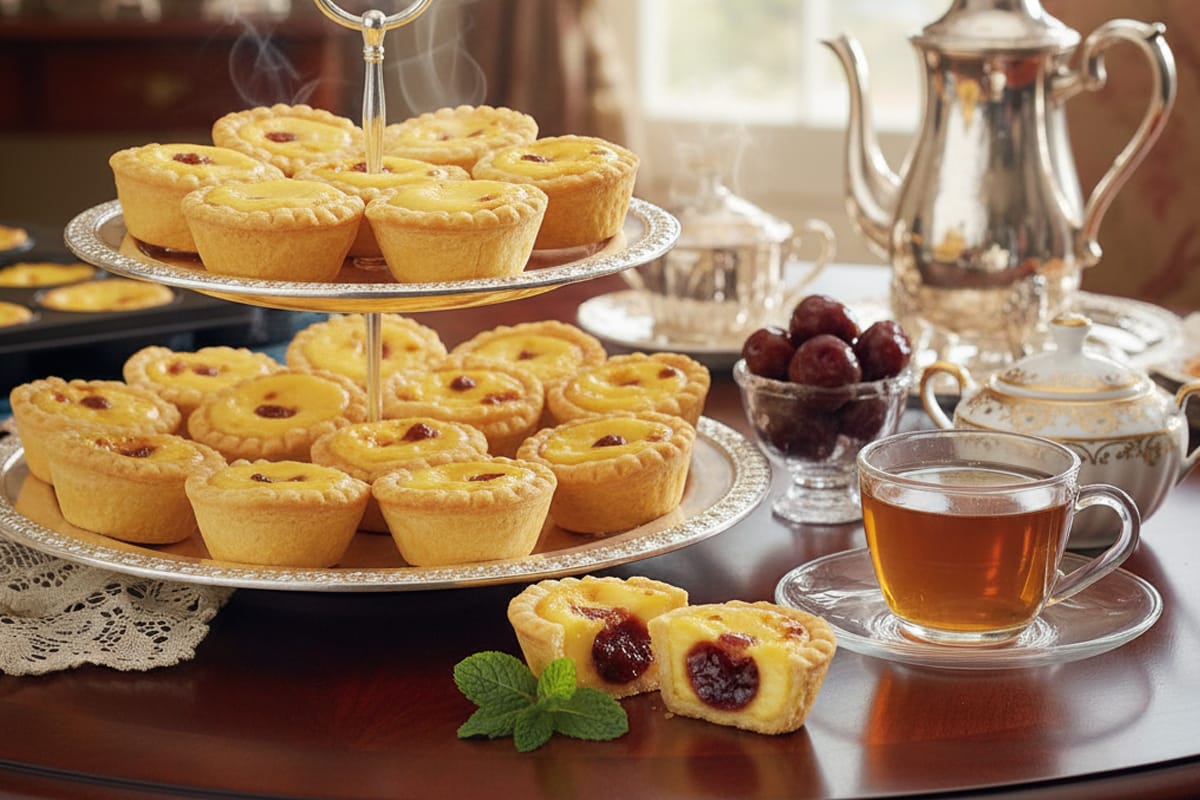
Peanut Butter Cherry Tartlet – Indonesian Fusion Dessert
Ingredients
Instruction
- In a large bowl, combine butter, powdered sugar, peanut butter, and flour. Use a pastry cutter or two knives to “cut” the butter into the flour until the texture looks like coarse crumbs.
- Add egg yolk and ice water, a little at a time, and gently press the dough together. ⚠️ Do not knead like bread dough — overworking will make it tough.
- Wrap the dough and refrigerate for 15 minutes.
- Roll out on a lightly floured surface and cut into small circles.Press into greased mini muffin tins (about 1¼ inch / 3 cm wide).
- Prick the base with a fork and blind bake at 350°F (180°C) for 10 minutes.Remove and set aside to cool slightly.
- In a mixing bowl, cream butter and sugar until pale and fluffy.
- Add egg, beat well.
- Sift in flour and cornstarch, fold until smooth.
- Add lemon juice and milk, mix until just combined.
- Spoon a small amount of filling into each pre-baked crust.
- Add dark cherries (ceri hitam) on top — press lightly into the batter.
- Bake again at 350°F (180°C) for 25 minutes, or until the tops are golden and the filling is set.
- Let cool 10 minutes before removing from the molds. Serve warm or at room temperature.
Notes
Serving
Serve these mini tarts as a sweet finish after meals or during afternoon tea.They’re small enough for bite-size indulgence — crisp outside, soft inside, and lightly tangy from the cherries.
Notes for Cooks (Substitutions & Tips for Western Kitchens)
- Peanut butter (selai kacang): Use smooth, creamy peanut butter like Jif or Skippy. Natural peanut butter is fine but may need extra flour if too oily.
- Dark cherries: If using canned or jarred cherries, drain and pat dry to prevent soggy filling. Frozen cherries should be thawed and drained.
- Cold butter is key — it keeps the crust crumbly and tender.
- Pastry technique: If you don’t own a pastry cutter, use two knives or rub the butter with your fingertips until crumbly.
- Flavor balance: The peanut butter crust adds richness and depth — a nod to Indonesian flavors that pair surprisingly well with tart fruit.
- American variation: For a classic U.S.-style cherry pie, omit peanut butter and replace the filling with cooked cherry compote (cherries + sugar + cornstarch + lemon juice).
- Pairing suggestion: Excellent with coffee or strong black tea — or try with vanilla ice cream for a modern Western twist.
The Ancient Roots of Pie and Tart
According to culinary historians and records such as those from BBC and Oxford English Dictionary, the first pie-like food appeared in ancient Egypt. Early versions weren’t sweet; they were flat, grain-based cakes (galettes) used to wrap or store food for long journeys. They were practical — not desserts.
As baking spread to Greece and Rome, the concept evolved. The Greeks filled their crusts with fruit, while the Romans perfected the duality of sweet and savory pies. Roman writings as early as 1600 BCE describe pastries filled with goat cheese, honey, and rye flour, often used to preserve meats or seafood during cooking. These ancient pies laid the foundation for modern pastry-making, proving that dough could be both a vessel and a flavor enhancer.
From Rome, the art of pie-making spread throughout Europe, especially to England, where the term pie first appeared around the 14th century. At that time, pies were mostly savory and used as practical storage for meat. The crust was hard and inedible, serving more as a cooking container than a treat. It wasn’t until Queen Elizabeth I tasted the first cherry pie in the 16th century that sweet pies became fashionable in Britain.

From Europe to America: The Rise of Sweet Pies
As European settlers crossed the Atlantic, they carried their baking traditions with them. But in America, something revolutionary happened: sugar became affordable. By the early 19th century, the abundance of sugar turned pie from a savory dish into a sweet dessert staple. Apple, pumpkin, and cherry pies began to dominate American tables, especially during holidays like Thanksgiving.
In contrast, in England, pies remained a mix of sweet and savory — often encased fully in pastry, while American pies celebrated open fillings, buttery crusts, and seasonal fruits. Over time, the distinction between pie, tart, and tartlet became more defined in Western pastry culture.
Pie vs. Tart vs. Tartlet: Understanding the Difference
Although the words are often used interchangeably, their culinary identities are unique:
| Term | Description | Example |
|---|---|---|
| Pie | A deep dish pastry with a top and bottom crust. | Apple Pie, Chicken Pot Pie |
| Tart | A shallow, open-faced pastry, often with custard or fruit filling. | Lemon Tart, Fruit Tart |
| Tartlet | A small, individual-sized tart — elegant, bite-sized, and refined. | Mini Fruit Tartlet, Butter Tartlet |
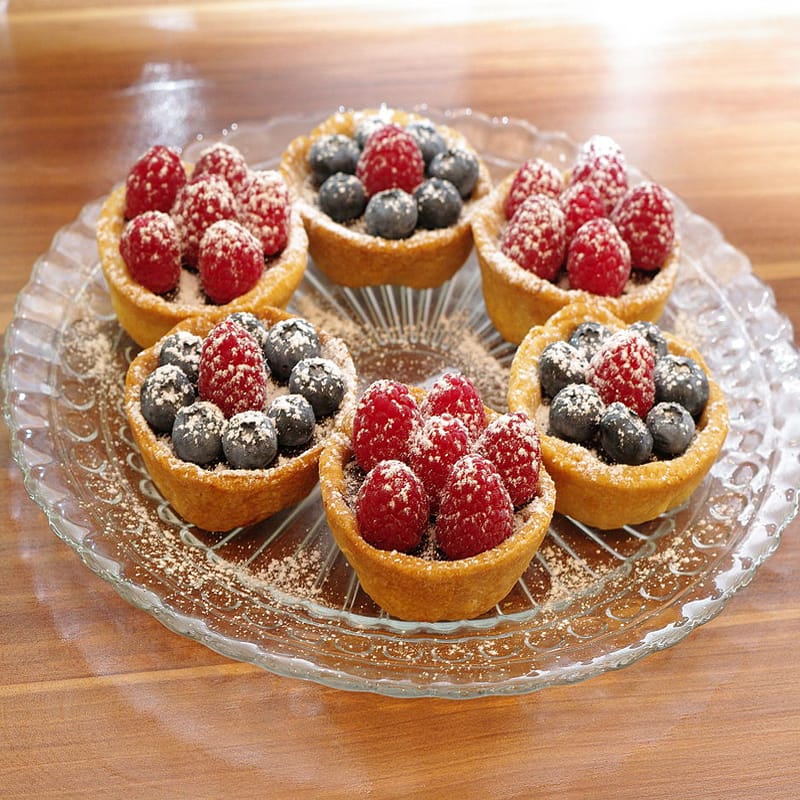
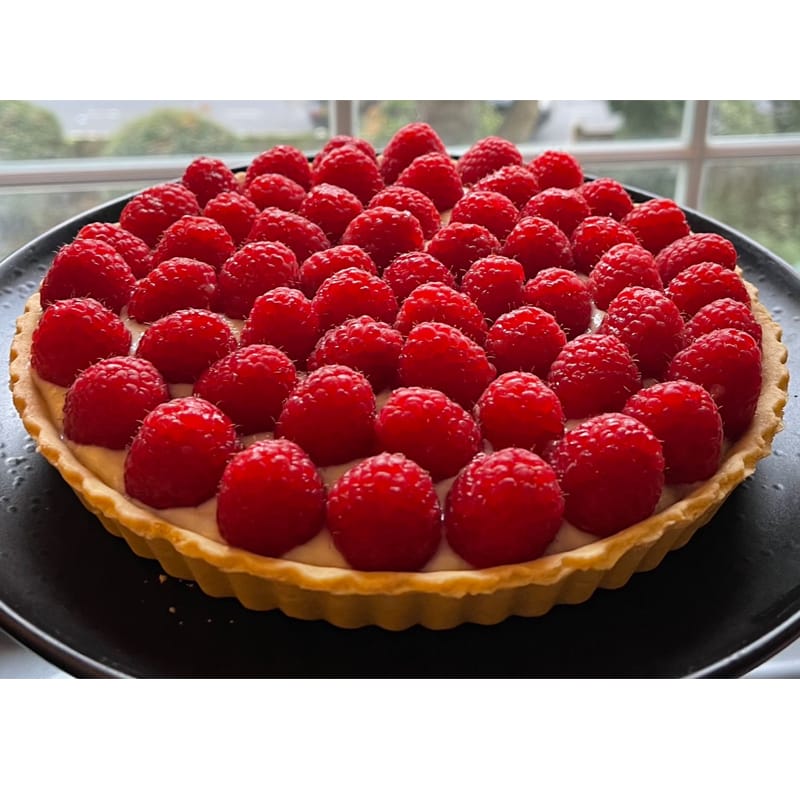
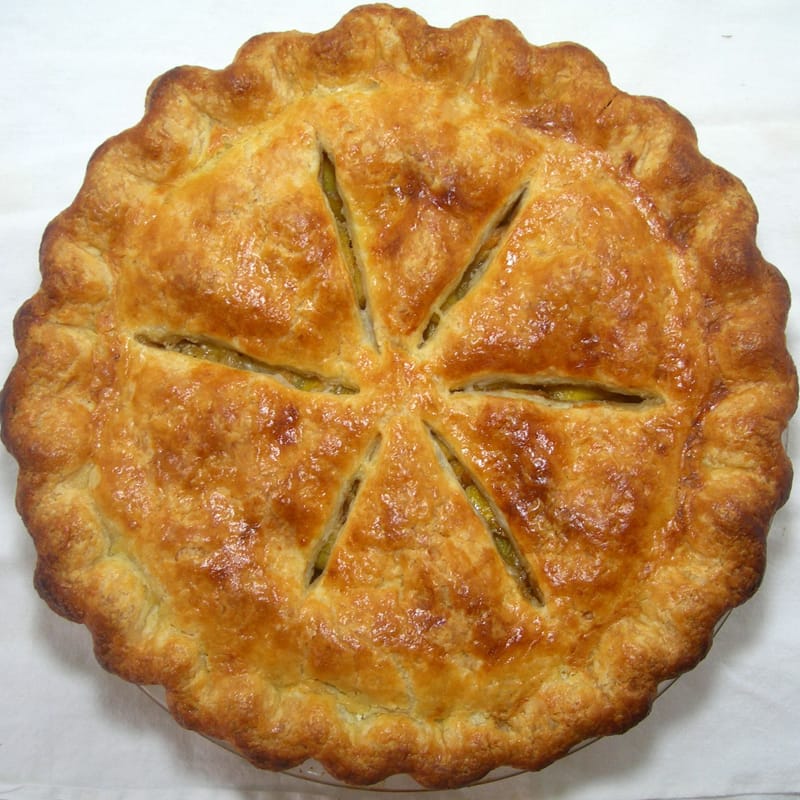
So, while an Indonesian baker might refer to this recipe as Mini Cherry Pie, Western pastry experts would classify it as a mini cherry tartlet — small, open-faced, and beautifully portioned.
When Indonesia Meets the West: The Birth of a Fusion Dessert
Indonesia’s culinary heritage thrives on adaptation. For centuries, traders and colonizers brought ingredients and techniques from abroad — from Dutch layered cakes (lapis legit) to Portuguese-influenced egg desserts (sericaia). The Mini Cherry Tartlet with Peanut Butter Crust follows the same spirit of fusion.
In this dessert:
- The tartlet crust mirrors the Western shortcrust pastry (pâte sablée), but with a twist — selai kacang (peanut butter) adds a nutty, comforting note reminiscent of Indonesian street snacks like roti selai kacang.
- The filling, a light butter batter, recalls the texture of Indonesian kue kering or butter cookies, while dark cherries introduce a distinctly Western tang.
- The open-top form nods to French tartlets, yet its miniature size fits perfectly with Indonesia’s mini pastry culture — where bite-sized treats dominate festive tables.
This Indonesian Fusion Dessert isn’t just a mix of ingredients; it’s a meeting of sensibilities — the balance between sweetness, richness, and a touch of nostalgia from both worlds.
The Philosophy Behind a Tartlet
A tartlet, though small, represents the idea of balance and refinement. In Western cuisine, size often reflects sophistication: miniature desserts require precision, control, and respect for ingredients. Each bite is complete — crust, filling, fruit, texture — in harmony.
In Indonesian philosophy, balance (keseimbangan rasa) is also key. Traditional sweets like klepon or kue lapis are carefully layered or portioned to deliver multiple sensations in one bite: chewy, sweet, aromatic. Thus, the tartlet naturally aligns with the Indonesian approach to small yet complete flavors — a bridge between cultures that value harmony in food.
Nutrition and Health: Benefits and Cautions
From a nutritional perspective, mini cherry tartlets offer both pleasure and moderation.
- Dark cherries provide antioxidants, vitamin C, and melatonin — supporting immunity and healthy sleep.
- Peanut butter contributes healthy fats and protein, though it’s calorie-dense.
- Butter and sugar, while delicious, should be enjoyed in moderation; their role is to deliver texture and depth, not excess.
Compared to large cream cakes or deep-dish pies, a mini tartlet encourages portion control — a single serving of indulgence that satisfies without overloading.
However, those with nut allergies or sensitivities to dairy should take care. The crust can be modified with almond butter or sunflower seed butter for a safer alternative.
Cultural Reflections: From Village Kitchens to Global Tables
In Indonesia, home baking often blends inherited Western techniques with local preferences. The peanut butter in this recipe is symbolic — a flavor of childhood in Southeast Asia, while in the U.S. it’s a nostalgic icon of comfort food. By combining it with a traditional Western tartlet form, this dessert becomes a shared language between cultures.
Just as pies evolved from Egyptian sailors’ rations into European banquet dishes, the Indonesian kitchen transforms them once more — into something personal, local, and lovingly handmade. The Mini Cherry Tartlet reflects the adaptability that keeps culinary traditions alive across continents.
A Modern Take on an Ancient Tradition
While ancient Egyptians used pie as travel food and Romans baked it to preserve meat, today’s tartlet serves a different purpose: celebration. It’s a symbol of creativity and cultural openness.
The Mini Cherry Tartlet with Peanut Butter Crust embodies that spirit — a dessert that looks European, smells Indonesian, and tastes like a global embrace.
Each bite captures:
- The buttery crumble of a European crust.
- The aromatic warmth of Indonesian peanut butter.
- The bright acidity of cherries that once delighted English royalty.
What began as survival food in ancient times now ends as a refined dessert on modern tables — proof that food evolves, yet remains a mirror of our shared humanity.
Recipe Recap: Mini Cherry Tartlets with Peanut Butter Crust
Yields: 8–10 tartlets | Prep: 25 min | Bake: 35 min | Calories: ~180 per piece

The tartlet crust blends mentega (butter), gula halus (powdered sugar), and selai kacang (peanut butter) for a crumbly, nutty base. The filling combines butter, eggs, flour, and milk, topped with dark cherries (ceri hitam) before being baked to golden perfection.
These mini cherry tartlets are small in size but rich in story — each one a testament to how Indonesian creativity meets Western pastry tradition.
A Dessert that Travels Through Time and Culture
From the tombs of Ramses II to Queen Elizabeth’s cherry pie, and now to Indonesian kitchens filled with the scent of peanut butter and cherries — the tartlet’s journey spans thousands of years and countless tables.
The Mini Cherry Tartlet with Peanut Butter Crust stands as an Indonesian Fusion Dessert that celebrates both history and innovation. It shows that food is never static — it evolves, absorbs, and connects.
So next time you bake a tartlet, remember: you’re not just making dessert. You’re continuing a story that began in ancient civilizations, traveled through Europe, and found new life in the heart of Indonesia.