This soft, half-moon–shaped cake, with its spongy interior and golden crust, has long been a staple in street markets (pasar) and family gatherings. In its many forms—plain, pandan, chocolate, or banana—it reflects not just the sweetness of dessert, but the sweetness of togetherness. Among its variations, Banana Pukis (kue pukis pisang) stands out as a tropical twist, but at its core, it is part of the long and fascinating story of pukis itself.
A Cake Born of Cross-Cultural Exchange
The origins of kue pukis are debated, but most versions point to the Dutch colonial period. The Dutch introduced small, molded cakes such as poffertjes, which Indonesians adopted and transformed. Instead of butter and milk, locals turned to coconut milk (santan) and tropical flavors like pandan, palm sugar, and banana. Over time, this adaptation evolved into a snack uniquely Indonesian: soft, fragrant, slightly chewy, and always cooked in its signature half-moon mold.
Some say the word pukis is derived from poffertjes. Others suggest it comes from the Javanese word meaning “porous” or “hollow,” describing the airy texture. Yet another theory links the name to the sound “puk” made when batter hits the hot mold. Whatever the etymology, the story reflects how foreign influence was absorbed and reshaped into something new—culinary adaptation as cultural resilience.
Some local legends even suggest more dramatic origins, connecting the cake’s story to colonial times. While these tales vary and are often told as folklore, they highlight one truth: kue pukis has long been a part of community life, surviving hardship and adapting across generations.
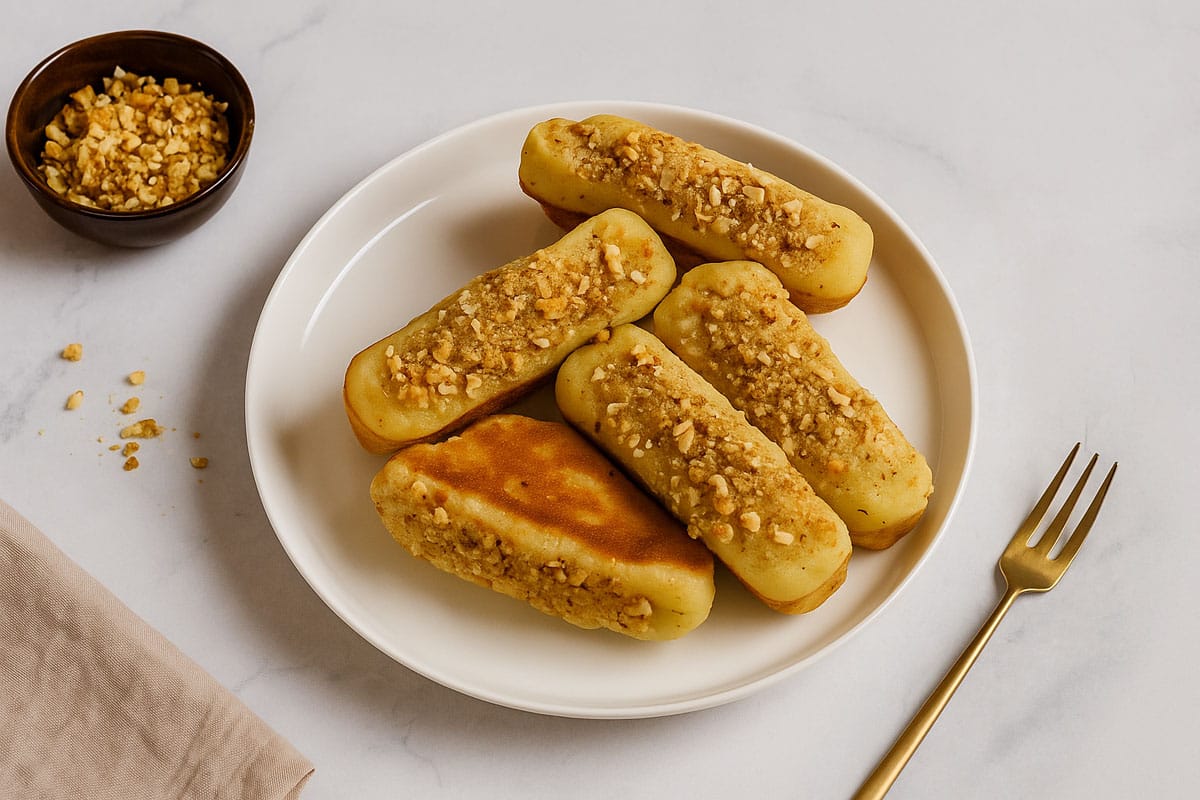
Banana Pukis – Indonesian Kue Pukis Pisang
Ingredients
Instruction
- Activate the yeast: Mix instant yeast with 2 tbsp warm coconut milk and 1 tsp sugar. Let sit for 5–10 minutes until foamy.
- Whip eggs and sugar: In a mixing bowl, beat eggs and sugar until pale and slightly thick.
- Combine dry and wet: Add sifted flour gradually, stirring gently. Pour in the yeast mixture, mashed bananas, remaining coconut milk, banana essence (if using), and melted butter. Mix until smooth and well combined.
- Ferment: Cover the bowl and let the batter rest for 30 minutes. The surface should look slightly bubbly.
- Cook: Heat a pukis mold pan (or alternative pan, see notes) and lightly grease with butter. Pour batter until ¾ full. Cover and cook until half set. Sprinkle with chopped cashews, then cover again and cook until golden and fully set.
- Remove from the mold and serve warm.
Notes
- Mold substitute: Traditional pukis uses a half-moon cast-iron mold, which may not be available outside Indonesia. You can substitute with a madeleine pan, mini loaf pan, or muffin tin. The taste remains authentic even if the shape differs.
- Banana substitute: Use very ripe Cavendish bananas (skins with brown spots) if pisang ambon is not available.
- Coconut milk: Canned coconut milk is the easiest choice. Shake well before use. If too thick, dilute slightly with water.
- Fat choice: Margarine is commonly used in Indonesia, but unsalted butter gives a richer taste and is easier to find in the U.S. and Europe.
- Banana essence: Optional—skip if you don’t have it, as ripe bananas already give plenty of flavor.
The Cultural Place of Kue Pukis
In Indonesia, kue pukis is not just food—it’s ritual and memory. Vendors set up stalls at markets, where the scent of batter cooking over charcoal lures in schoolchildren and office workers alike. In many regions, pukis is a symbol of hospitality and sharing, often served during celebrations like Lebaran (Eid), weddings, or neighborhood gatherings.
Its half-moon shape has become more than aesthetic. For some, it represents humility and simplicity; for others, the curve suggests openness, a cake designed to be shared. Sweetness in Javanese tradition often symbolizes happiness, making pukis not just a dessert but a small philosophy of joy and togetherness.

Banana Pukis: A Tropical Variant
Over the years, countless variations of pukis have appeared. One of the most beloved is Banana Pukis. By mixing mashed ripe bananas (pisang ambon) into the batter, the cake becomes even moister and naturally fragrant. In some recipes, cashews (kacang mete) are sprinkled on top for a crunchy contrast.
For Indonesians, Banana Pukis is simply a modern evolution of tradition. For Westerners, however, it provides a familiar entry point. It resembles banana bread in flavor, madeleine in shape, and sponge cake in texture—all rolled into one tropical package. This makes it particularly appealing abroad, where banana-based desserts already hold a cherished place.
The Mold and Its Adaptations
At the heart of pukis is its distinctive mold. Traditionally, these were cast from copper or iron, heated over glowing charcoal. Mastering the right temperature was an art in itself, producing cakes with golden edges and soft interiors. Today, non-stick molds are more common, fitting neatly over gas or electric stoves.
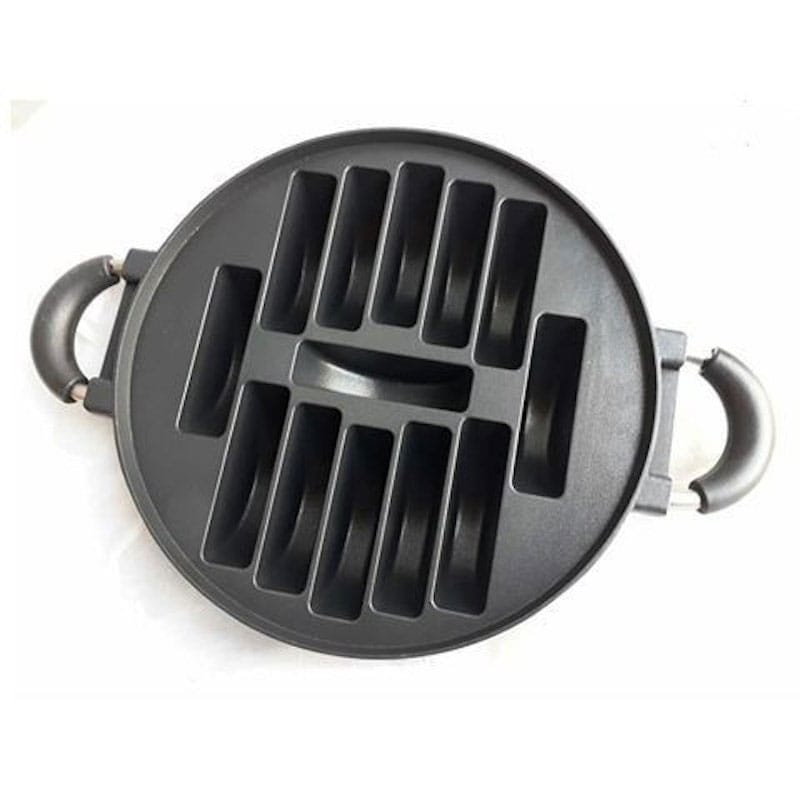
For cooks in the U.S. or Europe, the challenge lies in sourcing this specific mold. But alternatives exist:
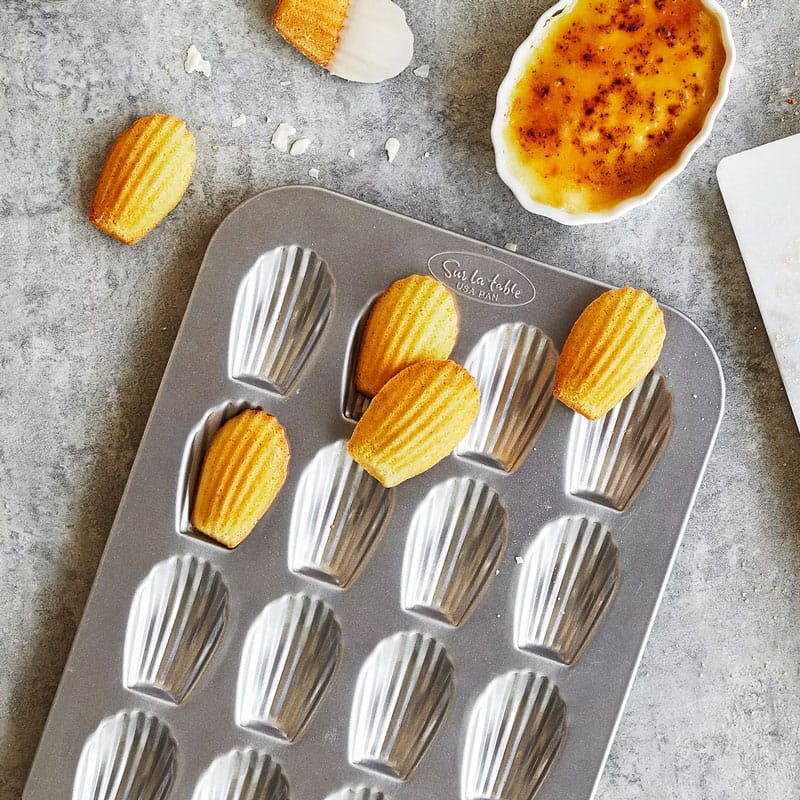
Madeleine Pan
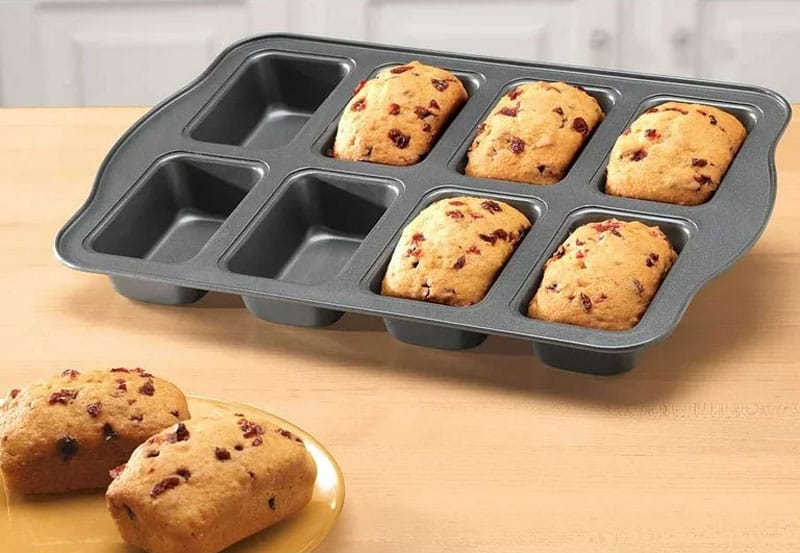
Mini Loaf Pan

- A madeleine pan captures the closest resemblance.
- A mini loaf pan delivers similar elongated cakes.
- A muffin tin works for accessibility, giving round but still tasty results.
- An aebleskiver pan (from Denmark) yields spherical cakes, echoing Indonesia’s kue cubit.
In other words, the exact mold may be rare, but the spirit of pukis is easy to recreate in any kitchen.
Variants Across Indonesia
As with many Indonesian dishes, regional creativity abounds:
- Pukis Solo: soft, light, with a classic sweet profile.
- Pukis Bandung: flatter, often topped with jam or sugar.
- Pukis Medan: richer, incorporating grated coconut or peanuts.
- Pukis Surabaya: caramel-like sweetness from palm sugar.
- Pukis Jakarta: thicker, sometimes filled with syrup or grated coconut.
Over time, street vendors have also embraced modern trends—pukis with green tea, red velvet, rainbow colors, Nutella, and cheese. Banana Pukis fits right into this continuum: traditional at heart, but flexible enough to adapt.
Pukis and Its Global Cousins
Comparisons help highlight what makes pukis unique. In the Netherlands, poffertjes are small and fluffy, often dusted with sugar. In France, madeleines are shell-shaped sponge cakes. In Japan, dorayaki sandwiches bean paste between pancakes. In the United States, banana bread offers a dense, loaf-like sweetness.
Pukis sits somewhere in between: airy yet moist, sweet but not overwhelming, traditional yet endlessly adaptable. Its closest cousin might be the madeleine, but infused with coconut milk and Southeast Asian flavor, it speaks a different culinary language.
Nutritional Notes & Benefits
Although kue pukis is considered a sweet treat, it also offers some nutritional value. The eggs provide protein, the bananas contribute potassium and natural sweetness, while coconut milk delivers healthy fats that give energy and richness. Compared to heavier Western cakes, pukis feels lighter, making it a snack that satisfies without overwhelming. Of course, it remains a dessert—but one that balances indulgence with nourishment.
Why Western Palates Love Banana Pukis
For Americans and Europeans, Banana Pukis has built-in familiarity. Bananas are a universal comfort flavor, while coconut milk adds a gentle richness. The half-cake, half-pancake identity makes it approachable for anyone who has baked banana muffins or enjoyed a slice of sponge cake.
Toppings like chocolate chips, shredded coconut, or even a drizzle of caramel allow it to be localized for Western tastes without losing authenticity. In fact, the adaptability of pukis is what has kept it alive through centuries of change.
The Philosophy in Every Bite
Behind its simplicity, pukis tells a story of adaptation. It was born in colonial times, molded by Dutch baking traditions, yet reinvented with Indonesian ingredients. It survived through generations, from charcoal molds to non-stick pans. It shifted shapes and flavors across regions, proving its resilience.
Its half-moon form can be read as a metaphor for openness, while its sweetness is a gentle reminder of shared joy. In the end, kue pukis is not just a snack but a cultural bridge: from Indonesia’s past to its present, from local stalls to global kitchens.
Final Thoughts
Banana Pukis is only one variation, but it captures the essence of kue pukis: comfort, adaptability, and cultural depth. For Indonesians, it is nostalgia baked into every bite. For Westerners, it offers a taste that feels both familiar and new.
The story of pukis is ultimately the story of Indonesia itself—shaped by history, flavored by tradition, and open to reinvention. And perhaps that’s why it continues to thrive: because just like the best food, it is endlessly shareable.