
Discovering Indonesian Flavors
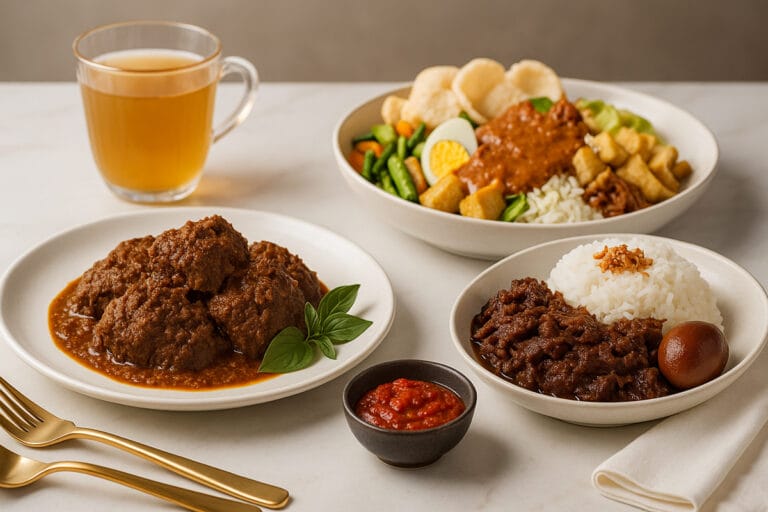
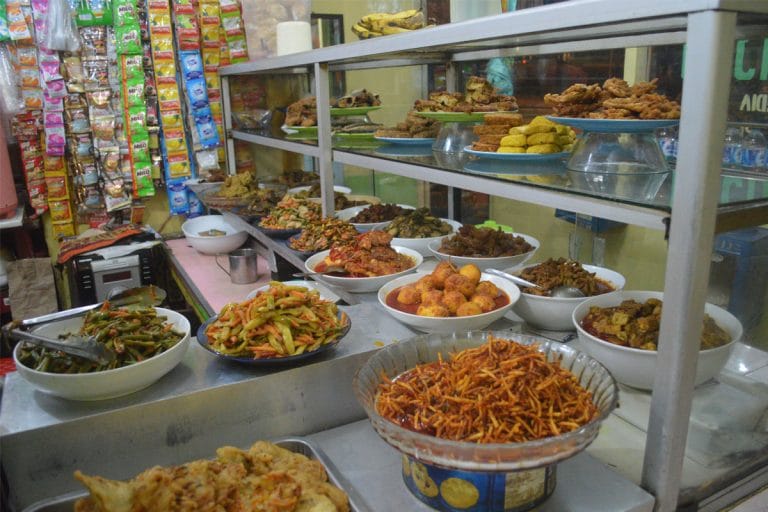
Indonesian cuisine is rich, bold, and deeply flavorful—thanks to its wide use of herbs and spices. Many Indonesian dishes rely on ingredients that may be unfamiliar to American home cooks, especially those not commonly found in Western pantries.
From earthy kemiri to aromatic serai, and from the sharp citrus notes of daun jeruk to the numbing sensation of andaliman, these ingredients are the heart and soul of Indonesian cooking. While some may sound exotic, many can be found in international or Asian grocery stores across the U.S.—or substituted with similar ingredients to capture the spirit of the dish.
Whether you’re curious about recreating classics like rendang or soto ayam, or simply expanding your flavor knowledge, this guide will help you navigate the essential Indonesian spices, what they are used for, and how to find or substitute them in America.

Kemiri (Candlenut)
- Description: Round, creamy-colored nuts with a hard shell and rich, nutty flavor.
- Culinary Use: Commonly ground and used to thicken and enrich sauces in dishes like rendang, soto, and gulai. Often roasted or toasted before grinding.
- Examples: Rendang, soto ayam, gulai ikan.
- Substitute in U.S.: Macadamia nuts (similar texture and mild oiliness), or blanched almonds.

Kunyit (Turmeric)
- Description: Bright yellow-orange rhizome with a strong earthy aroma.
- Culinary Use: Adds color and subtle bitterness to dishes such as nasi kuning and opor.
- Examples: Nasi kuning, opor ayam, pesmol ikan.
- Substitute in U.S.: Fresh turmeric root (available at Asian or Indian stores) or ground turmeric powder (available in most grocery stores).

Jahe (Ginger)
- Description: Spicy and warming root with a pungent aroma.
- Culinary Use: Used to neutralize fishy odors, add warmth to soups and grilled meats, or brewed into drinks.
- Examples: Soto Betawi, wedang jahe, ayam bakar.
- Substitute in U.S.: Fresh ginger root, widely available in all major grocery chains.

Lengkuas (Galangal)
- Description: Rhizome similar to ginger but with a more citrusy, sharp, and pine-like flavor.
- Culinary Use: Adds a distinctive aroma to soups, curries, and stir-fried dishes.
- Examples: Rendang, ayam lengkuas, sayur lodeh.
- Substitute in U.S.: Frozen galangal (at Asian markets), or in a pinch, use ginger with a touch of lime zest, though the flavor is not identical.

Serai (Lemongrass)
- Description: Stalk with a lemony, citrus-like scent.
- Culinary Use: Bruised or sliced to infuse soups, marinades, and grilled dishes.
- Examples: Soto, tom yum, ayam bakar bumbu rujak.
- Substitute in U.S.: Fresh or frozen lemongrass stalks (found at Asian or Latin grocery stores). Dried lemongrass or lemongrass paste can also be used as a backup.

Daun Salam (Indonesian Bay Leaf)
- Description: Mild, herbal leaf often used in stews and braises. Softer and less pungent than Western bay leaf.
- Culinary Use: Adds depth of flavor in simmered dishes, often used with galangal and lemongrass.
- Examples: Gulai, opor ayam, semur.
- Substitute in U.S.: No direct substitute, but Indian bay leaf (tejpatta) or regular bay leaf + pinch of basil can be used for a similar effect.

Daun Jeruk (Kaffir Lime Leaf)
- Description: Deep green, glossy leaves with a strong citrus aroma.
- Culinary Use: Enhances aroma in soups, sambals, and grilled dishes.
- Examples: Soto, sambal matah, ayam taliwang.
- Substitute in U.S.: Frozen kaffir lime leaves (available in Asian stores), or use lime zest as a last resort, although the aroma is not quite the same.

Andaliman (Sichuan Pepper / Batak’s Pepper)
- Description: Tiny peppercorns with a sharp, tongue-tingling effect. Indigenous to Northern Sumatra.
- Culinary Use: Adds numbing heat and citrusy flavor in Batak cuisine.
- Examples: Saksang, arsik ikan, ayam andaliman.
- Substitute in U.S.: Sichuan peppercorns (readily available online or in Chinese markets).

Kencur (Aromatic Ginger)
- Description: Small, pale root with a strong, earthy, camphor-like aroma—very different from ginger. Its texture is denser and less juicy.
- Use: Commonly used in fresh spice pastes for dishes like urap and pecel, and in traditional herbal drinks like beras kencur. Not interchangeable with ginger.
- Examples: Urap sayur, seblak, pecel lele, beras kencur.
- U.S. Substitute: No direct substitute. Look for kencur powder or frozen kencur in Indonesian or Southeast Asian stores. Do not replace with ginger or galangal—the flavor is completely different.

Keluak (Black Nut / Pangium edule)
- Description: Fermented black seed with earthy, slightly bitter flavor.
- Culinary Use: Adds deep color and umami richness to dishes like rawon.
- Examples: Rawon, brongkos.
- Substitute in U.S.: No exact substitute. For color and depth, try a mix of miso paste and dark soy sauce, but note the unique flavor of keluak is hard to replicate.

Asam Jawa (Tamarind)
- Description: Brown sticky fruit pulp with sour flavor, often soaked to make tamarind water.
- Culinary Use: Adds tangy brightness to soups, sauces, and snacks.
- Examples: Sayur asam, pempek, rujak.
- Substitute in U.S.: Tamarind concentrate or paste, available in Indian or Latin stores.

Cabe Jawa (Java Chili / Piper retrofractum)
- Description: Long, red pepper with a unique spicy warmth, used more for heat and aroma than just spice.
- Culinary Use: Used in herbal drinks and spice pastes.
- Examples: Jamu, bumbu rujak.
- Substitute in U.S.: No direct substitute, but for similar heat you might try long pepper (Piper longum), available in some spice shops or online.

Biji Pala (Nutmeg)
- Description: Aromatic seed with warm, sweet, and slightly spicy flavor.
- Use: Used sparingly in stews, sauces, or sweet dishes.
- Examples: Semur, gulai, kue-kue tradisional.
- Substitute in U.S.: Ground nutmeg or whole nutmeg for fresh grating.

Kapulaga (Cardamom)
- Description: Small green or black pods with floral and citrusy aroma.
- Use: Adds sweet-spicy aroma in savory dishes and drinks.
- Examples: Gulai, nasi kebuli, wedang rempah.
- Substitute in U.S.: Green cardamom pods or ground cardamom.

Kayu Manis (Cinnamon)
- Description: Fragrant bark with sweet, woody flavor.
- Use: Used in both sweet and savory dishes.
- Examples: Semur, gulai, kue lapis legit.
- Substitute in U.S.: Ceylon cinnamon (closest match), or cassia cinnamon (stronger, common in the U.S.).

Ketumbar (Coriander)
- Description: Small round seeds with a warm, citrusy, slightly nutty flavor.
- Use: Common in spice blends and marinades for meat and curry dishes. Often dry-roasted before grinding.
- Examples: Rendang, ayam goreng, sate.
- U.S. Substitute: Ground or whole coriander seeds, widely available.
- Note for U.S. cooks: Though it looks similar to black peppercorns, coriander is not the same as pepper. It has a milder, citrus-like flavor.

Jintan (Cumin)
- Description: Elongated brown seeds with strong earthy and warm flavor.
- Use: Adds depth in grilled meats and spice pastes.
- Examples: Gulai, nasi kebuli, rendang.
- Substitute in U.S.: Ground or whole cumin, easily available.

Bunga Lawang (Star Anise)
- Description: Star-shaped pod with a sweet, licorice-like flavor.
- Use: Used in spice blends for stew, curry, and herbal drinks.
- Examples: Semur, gulai, wedang rempah.
- Substitute in U.S.: Whole star anise pods, available in most supermarkets or Asian stores.
Bringing Indonesian Taste to Your Kitchen
Understanding these unique spices is the first step to cooking authentic Indonesian meals at home. While some ingredients may seem unfamiliar, don’t let that stop you—there are plenty of accessible substitutes that can still bring the depth and complexity of Indonesian flavor into your dishes.
Use this guide as a starting point to explore Indonesian recipes with confidence. Visit your local Asian grocery store, explore online spice markets, and don’t hesitate to try something new. With a few key ingredients and an adventurous spirit, you’ll be surprised how close you can get to real Indonesian flavor—right from your own kitchen.
And this is just the beginning. Indonesia is home to many more spices and herbs, each with its own story, aroma, and culinary purpose. We’ll continue to introduce and share more of these incredible ingredients—so you can keep expanding your global pantry and experience the full richness of Indonesian cuisine.