If you’re looking for a comforting dish with layers of flavor, rich textures, and deep cultural roots, Coto Makassar might just be your new favorite Indonesian meal. Hailing from the city of Makassar in South Sulawesi, this hearty beef and offal soup has long been a staple of Bugis-Makassar cuisine. With its earthy spices, savory aroma, and customizable toppings, it’s easy to see why this dish is beloved across the Indonesian archipelago—and slowly gaining attention abroad.
How to Pronounce It ?
Coto Makassar is pronounced:
/ˈchoh-toh mah-KAH-sar/
(“Coto” rhymes with photo, and “Makassar” ends with a soft ‘r’)
If you’re saying it like a local, roll the r at the end slightly, and stress the second syllable of “Makassar.”

Makassar Beef & Offal Soup (Coto Makassar)
Ingredients
Instruction
- Prepare the brothIn a large pot, add beef and offal pieces. Pour in 6 cups of water (or rice starch water if using). Bring to a boil, skim any scum, and simmer for about 30 minutes. Add more water if needed to cover all the meat.
- Make the spice pasteIn a pan, sauté the blended paste ingredients (lemongrass, galangal, keluak, tauco, and bay leaves) in oil until fragrant. Add sliced garlic and sauté briefly.
- Toast & grind dry spicesToast coriander seeds, peanuts, and candlenuts until fragrant, then grind to a fine paste. Mix with the sautéed spice paste.
- Combine and simmerAdd the spice mixture into the simmering broth. Stir in salt, bouillon powder (if using), and Indonesian bay leaves. Simmer until beef and offal are tender.
- Slice meatsRemove the meat and offal from the broth, slice them into small cubes, and set aside.
- Assemble and serveIn a serving bowl, add sliced meat and offal. Top with green onions, cilantro, fried shallots, and garlic. Pour hot broth over. Serve with lime, steamed rice or rice cakes, and sambal on the side.
Notes
- Offal Options: If organ meats are outside your comfort zone, use only beef brisket, short ribs, or oxtail for a still-authentic taste.
- Tauco (fermented soybean paste): Can be found in Asian groceries or online. Substitute with miso or Chinese fermented bean paste for a similar umami kick.
- Keluak (pangium edule): This nut adds an earthy depth but is rare outside Southeast Asia. Omit or replace with a spoonful of black garlic or roasted mushrooms.
- Candlenuts (kemiri): Substitute with macadamia nuts which are widely available and share similar texture and oiliness.
- Indonesian Bay Leaves (daun salam): Not the same as Western bay leaves. If unavailable, substitute with regular bay leaves, but the aroma will be slightly different.
- Rice Starch Water (Air Cucian Beras): In Indonesia, the broth is often made with starchy water from rinsing rice. To replicate this, rinse 1 cup of rice once, then collect the water from the second rinse and use that in your broth. It adds body and subtle creaminess. If unsure, just use regular water or unsalted broth.
- Serving Tip: Traditionally served with ketupat (rice cakes wrapped in coconut leaves) or buras (steamed rice in banana leaves). You can easily use steamed jasmine rice or even crusty bread to soak up the broth.
A Glimpse into History and Tradition
Coto Makassar is more than just food; it’s a cultural experience. Rooted in the traditions of the Bugis and Makassar ethnic groups, the dish was originally reserved for royalty and special occasions. Over time, it became accessible to all layers of society and evolved into a local street food treasure, served from small roadside stalls to established restaurants in Sulawesi and beyond.
The dish is believed to have existed for centuries, with its signature broth enriched by rice starch water (locally known as air cucian beras) and flavored by a unique spice blend that includes tauco (fermented soybean paste), keluak (black nut), candlenuts, and roasted peanuts. These ingredients represent both indigenous techniques and centuries of maritime trade influence that introduced new ingredients to the Indonesian spice repertoire.
What Does Coto Makassar Taste Like?
Imagine a bowl of deeply flavorful beef stew that’s creamy without cream, savory with hints of nuttiness, and brightened with a squeeze of lime and spicy sambal. The broth is complex—thickened by the use of tauco and ground peanuts, and layered with toasted spices like coriander and lemongrass.

The meat varies by cook, but a mix of beef cuts and organ meats is common. Tripe, lungs, intestines, and spleen may sound intimidating to the uninitiated, but they offer a variety of textures and are cooked until tender. For those less adventurous, the soup works beautifully with just brisket or short ribs.
What About the “Rice Water”?
One thing that stands out in traditional preparation is the use of rice washing water, or air cucian beras, as a base for the broth. In Indonesian households, rice is typically rinsed once or twice before cooking. The starchy second rinse is then collected and used in soups to add mild thickness and body.
For many Western cooks, this might feel odd at first. But it’s important to understand: it’s not dirty water, but rather a purposeful culinary technique. If you’re not comfortable with this method, feel free to substitute regular water or low-sodium chicken broth. Alternatively, you can blend a tablespoon of cooked rice into the broth for a similar effect.
How Coto Makassar is Served in Indonesia
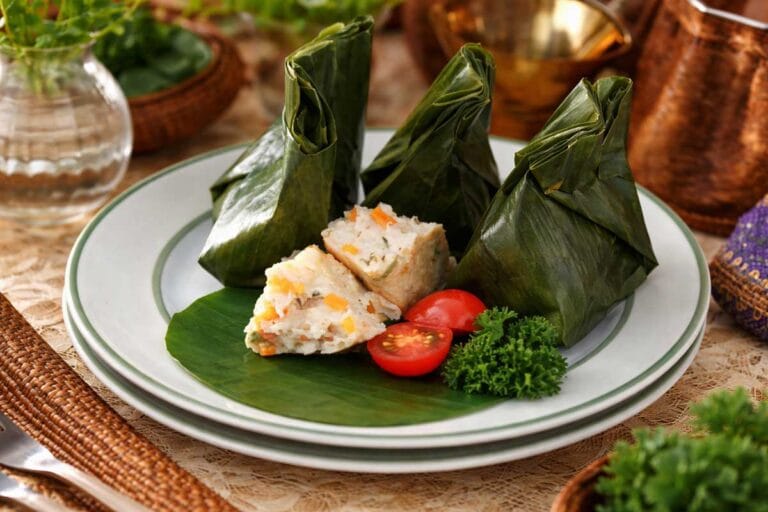
In its home city of Makassar, this dish is typically enjoyed for breakfast or lunch, though it’s hearty enough to be a dinner. The soup is always served hot, often with a side of ketupat (rice cakes wrapped in coconut leaves) or buras (banana-leaf steamed rice rolls). These rice companions help absorb the flavorful broth and balance out the richness.

Crispy fried shallots and garlic, fresh scallions and cilantro, a squeeze of lime, and a dollop of tauco-based sambal finish the dish with brightness and punch.
Can It Be Adapted for American Kitchens?
Absolutely. For a simplified version more suitable for American home cooks:
- Stick to beef cuts like chuck roast or short ribs.
- Replace tauco with miso or Chinese fermented bean paste.
- Use macadamia nuts in place of candlenuts.
- Serve it with steamed jasmine rice or even crusty sourdough bread instead of ketupat or buras.
These substitutions don’t compromise the integrity of the dish but make it more approachable and feasible for kitchens outside Indonesia.
Where to Eat Coto Makassar in Indonesia
If you want to experience authentic Coto Makassar, your best bet is to visit Makassar City in South Sulawesi, where the dish originates. Some legendary and long-standing establishments include:
- Coto Nusantara – often considered the gold standard.
- Coto Gagak – known for its rich broth and generous toppings.
- Coto Paraikatte – a favorite among locals for its consistent quality.
Each bowl usually costs between Rp 25,000–Rp 40,000 (around $1.50–$3 USD), and comes with traditional rice cakes (ketupat or buras), lime wedges, and sambal on the side.
In addition to Makassar, you can also find Coto Makassar in major cities across Indonesia, such as Jakarta, Surabaya, Bandung, and Bali—often served in specialty Makassar-style eateries or regional Indonesian restaurants. While these versions can be quite delicious, locals and culinary purists generally agree that the most authentic and flavorful experience is still best enjoyed in its hometown of Makassar, where the water, ingredients, and techniques are steeped in local tradition.
Cooking at Home: A Rewarding Experience
Making Coto Makassar at home is an exercise in patience and love. The steps are simple, but each phase—simmering the meats, sautéing the spices, assembling the toppings—tells the story of a culinary tradition passed down through generations.
Don’t skip the garnishes; they turn a rich, earthy soup into a balanced and satisfying meal. And while the ingredients may seem exotic at first, most are available in Asian groceries or online. Once you’ve tasted the end result, you’ll understand why this dish holds such a special place in Indonesian hearts.
A Final Thought
Whether you’re a seasoned lover of global cuisine or just stepping into the world of Indonesian food, Coto Makassar is a dish worth discovering. It’s soulful, hearty, and rich in both flavor and heritage. Adaptable yet authentic, it’s proof that food is not just sustenance—it’s memory, culture, and connection.