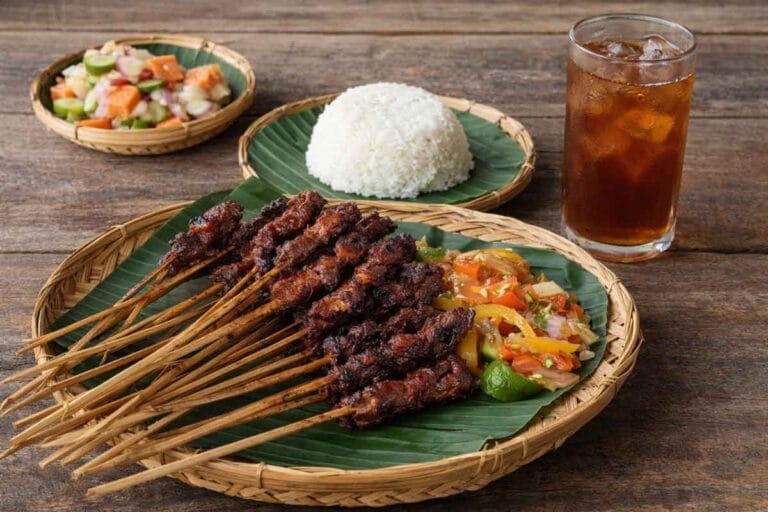
When most people think of satay, what comes to mind is usually a skewer of grilled meat with a sweet peanut sauce—like the famous Sate Madura. But in the western region of Indonesia, there’s a whole different satay experience waiting to be discovered. It’s fiery, bold, aromatic, and unlike anything you’ve ever tasted. Meet Sate Padang, the beloved street food from West Sumatra that showcases the true soul of Minangkabau cuisine.
A Glimpse into the History and Origin
Sate Padang originates from the Minangkabau ethnic group in West Sumatra, Indonesia. While many people associate Padang with rendang (the rich, dry beef curry), the city is also home to one of the most unique satay styles in the country.
Traditionally, the original version of Sate Padang used beef tongue (lidah sapi) as the main protein. The tongue was chosen not just for its tender texture but also for its ability to absorb flavors from the thick, spicy sauce. Over time, modern adaptations began to use various beef cuts—like tenderloin, brisket, or chuck—especially for convenience and accessibility.
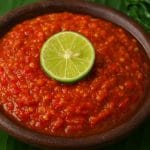
What sets Sate Padang apart is not the meat, but the sauce—a complex, turmeric-yellow, peppery, and fragrant gravy-like sauce that’s poured generously over the grilled skewers. This sauce is where the magic happens.

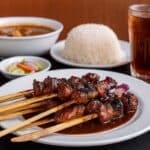
Sate Padang, Padang Beef Satay with Spicy Thick Sauce
Ingredients
Instruction
- Rinse the beef thoroughly and cut into large chunks (don’t cut too small yet).
- Boil beef in water with a pinch of salt and basic aromatics like smashed garlic, lemongrass, and bay leaves (daun salam) until tender (approx. 45–60 mins depending on cut).
- Remove and drain the beef. Let it cool, then cut into small cubes.
- Skewer 4–5 pieces per stick. Grill over charcoal or a stovetop grill pan, brushing lightly with oil until charred and aromatic.
- Blend all spice paste ingredients into a smooth mixture.
- Heat a small amount of oil in a pan. Sauté the paste until fragrant and fully cooked (about 5–7 minutes).
- Add the aromatic herbs and spices (cemplung) and sauté for 1–2 minutes until deeply fragrant.
- Pour in 2½ cups (600 ml) of the beef boiling stock.
- Bring to a simmer, then slowly pour in the rice flour slurry while stirring constantly to prevent lumps.
- Reduce heat and stir continuously until the sauce thickens into a rich, glossy consistency. Adjust salt and seasoning.
Notes
- Beef cut tips: Tenderloin is authentic, but stewing cuts like chuck or brisket add more depth. Boil until fork-tender.
- Rice flour: Found in Asian or health food stores. Do not substitute with all-purpose flour; the texture won’t be right.
- Herbs & spices: Turmeric leaf (daun kunyit) and daun salam can be omitted if unavailable, though kaffir lime leaves and lemongrass are highly recommended.
- Chili heat: Remove seeds or reduce chili for a milder sauce. This dish should be warm, but not overwhelmingly spicy.
- Grilling method: Charcoal gives the best result, but a stovetop grill or broiler works fine. Oil the skewers for a smoky, glossy finish.
The Power of the Sauce
In Indonesia, it’s a well-known fact among Sate Padang lovers: the bolder and more abundant the sauce, the better.
Street vendors often hear a specific request from loyal customers: “Extra sauce, please!” In fact, many diners will finish the satay and ask for more lontong (compressed rice cakes) just to mop up the remaining sauce. Some even skip the skewers altogether and opt for just lontong with the sauce, enjoying it like a spicy stew. It’s that good.
The sauce is made from a blend of shallots, garlic, chili peppers, turmeric, nutmeg, coriander, and cumin—blended into a thick paste and cooked with beef broth and rice flour. It’s earthy, warm, slightly spicy, and deeply aromatic. The inclusion of spices like star anise, cinnamon, and cardamom gives it a unique taste not often found in Western-style satay dishes.
More Than Just Grilled Meat
Although the cooking method—grilling skewered meat—is familiar across cultures, Sate Padang is not just about the meat. It’s about harmony between elements: the smoky beef, the spicy yellow sauce, and the soft, slightly chewy lontong. This dish is a full main course, unlike many skewered dishes that are served as appetizers.
One major distinction between Sate Padang and other Indonesian satays like Sate Madura is that Sate Padang is almost never served with rice. Instead, it’s always accompanied by lontong or ketupat—compressed rice cakes that soak up the flavorful sauce perfectly. In contrast, Sate Madura is often paired with steamed rice and sweet peanut sauce.
Regional Variations: Padang Pariaman vs. Bukittinggi
Interestingly, not all Sate Padang is the same. There are at least three major styles:
- Sate Padang (Classic – from Padang City)
This is the most widely known version, with bright yellow sauce made primarily with turmeric. It’s savory, mildly spicy, and aromatic. - Sate Padang Pariaman
This version is redder in color and significantly spicier, using more chilies and less turmeric. It has a bolder kick and is favored by those who enjoy fiery food. - Sate Padang Bukittinggi
This one leans toward brownish hues due to the use of nutmeg and coriander in heavier proportions. The sauce tends to be more mellow and earthy.
Each region has slight variations in technique too, from how the meat is boiled and marinated, to how long the sauce is simmered. But they all share a common thread: an intense love for spice, depth, and fragrance.
Where to Find Sate Padang
Across Indonesia, you’ll find Sate Padang carts on street corners, night markets, and food courts. The vendors often wear sarongs and serve from carts with bubbling sauce pots and a smoky grill beside them. Cities like Jakarta, Medan, and Bandung have countless stalls run by Minang migrants who brought the recipe from their hometowns.
Sate Padang became more widespread in the 1980s and 1990s, especially as more Minangkabau people migrated to urban centers and opened food stalls. Today, it’s considered a staple of Indonesian street food culture, right alongside bakso (meatball soup) and nasi goreng (fried rice).
Can the West Fall in Love with Sate Padang?
Absolutely—Sate Padang has all the makings of a global comfort food. Its rich, thick sauce is something between a spicy curry and a gravy. The grilled meat gives it a smoky, familiar Western BBQ vibe. And the rice cakes offer a novel texture for curious eaters.

To appeal to Western palates, the heat can easily be toned down without compromising flavor. The sauce can be served with rice, mashed potatoes, or even bread for those who aren’t used to lontong. The beauty of Sate Padang is that its core flavor is adaptable, yet unmistakably Indonesian.
The aroma is warm and inviting—thanks to lemongrass, cinnamon, and galangal—while the taste is savory, peppery, a little spicy, and deeply satisfying. For those who enjoy Indian curries, Cajun gumbo, or spicy BBQ sauces, this dish will feel exciting yet comforting.

Final Thoughts
Sate Padang is not just food—it’s a sensory experience, a piece of history on a plate, and a celebration of the rich culinary culture of West Sumatra. Its bold sauce, tender meat, and cultural roots make it one of Indonesia’s most iconic dishes.
Whether you try it with beef tongue like the original, or adapt it with tenderloin, one thing is certain: once you taste that sauce, you’ll want to pour it on everything.
So the next time you’re craving something new and bold, give Sate Padang a try. It might just become your favorite way to eat satay.