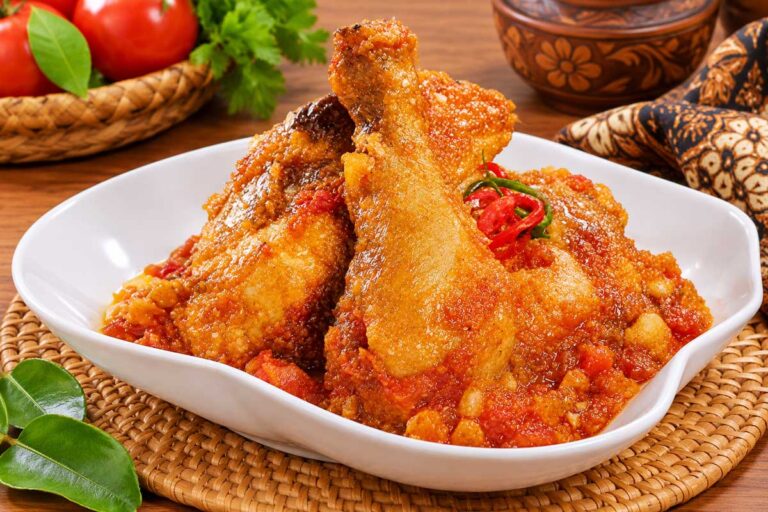
- Kalio Ayam is the evolutionary midpoint between soupy Gulai and dry Rendang in Minangkabau cooking traditions, featuring a unique Kalio Ayam consistency that defines its culinary stage. It is not just a curry but a specific reduction stage of Kalio Ayam that requires precise timing to achieve the right texture.
- The dish embodies the Tigo Tungku Sajarangan philosophy, where ingredients in Kalio Ayam symbolize social harmony, with coconut milk binding the elements of Kalio Ayam together in a culturally significant way.
- Nutritionally, Kalio Ayam offers high protein and anti-inflammatory spices, though the coconut milk reduction makes it energy-dense, requiring mindful portion control for those managing lipid levels.
- Economically, Kalio Ayam is highly cost-effective, costing approximately $1.90 per serving, making it a profitable option for restaurants and a budget-friendly gourmet experience for home cooks preparing Kalio Ayam.
Discover the rich heritage of Kalio Ayam, a masterpiece of Minangkabau cuisine that bridges the gap between Gulai and Rendang. This guide explores how Kalio Ayam transforms simple ingredients into a complex Indonesian Wet Chicken Curry.
Kalio Ayam, internationally recognized as Indonesian Wet Chicken Curry or Half-Cooked Rendang, represents the culinary sweet spot between a light, soupy broth and a dry, heavily caramelized stew. Originating from the Minangkabau culture of West Sumatra, Indonesia, this dish bathes tender chicken pieces in a thick, mahogany-hued coconut milk reduction spiked with galangal, lemongrass, and aromatic chilies. It captures the complex Maillard reaction as coconut fats begin to separate and fry the spices, yielding a savory, nutty, and moderately spicy flavor profile. For global palates, Indonesian curry variations like Kalio Ayam offer an approachable entry point into the vibrant world of Sumatran cuisine, delivering the profound depth of traditional Rendang without the exhaustive hours of dry cooking.
Historical Origins and Global Influences
The genesis of Kalio Ayam is inextricably linked to the historical spice trade routes that crisscrossed the Indonesian archipelago. West Sumatra served as a crucial hub for Indian and Middle Eastern merchants seeking cloves, nutmeg, and mace. These traders brought with them foundational culinary techniques, specifically the concept of cooking meats in deeply spiced gravies and curries.
However, the Minangkabau people did not simply adopt foreign recipes; they localized them using indigenous ingredients. While Indian curries heavily relied on dried spices like cumin, cardamom, and mustard seeds, Sumatran cooks integrated wet, fresh aromatics—abundant local yields of lemongrass, galangal, fresh ginger, and kaffir lime leaves. The introduction of chili peppers by Portuguese and Spanish sailors in the 16th century provided the final catalyst for the flavor profile of Kalio Ayam that we recognize today. Kalio emerged as a distinct stage of cooking within this cultural synthesis. It is the evolutionary midpoint in the traditional Minangkabau preservation method: beginning as a vibrant, watery curry known as Gulai, reducing into the thick, oil-rich Kalio, and finally caramelizing into the legendary, shelf-stable Rendang.
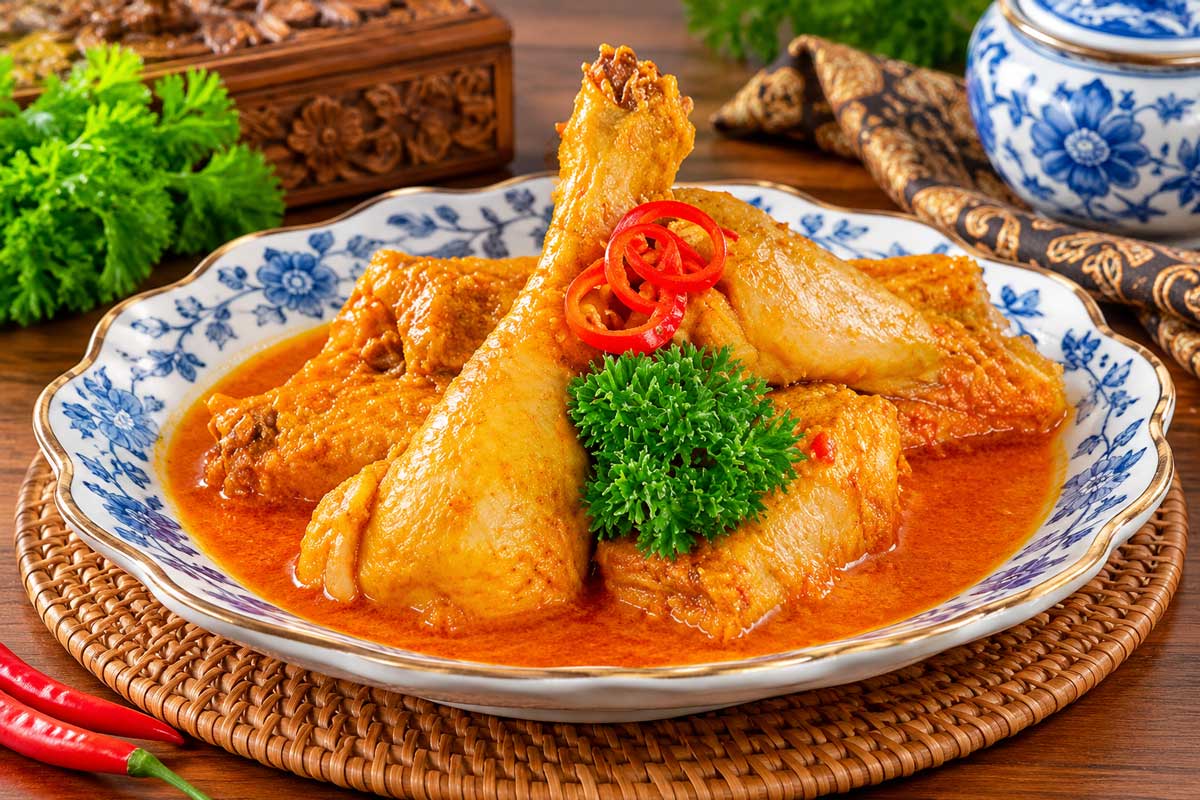
Authentic Kalio Ayam (Indonesian Wet Chicken Curry)
Ingredients
Instruction
- Process the Spice Paste: In a food processor or traditional mortar and pestle, blend the large red chilies, curly red chilies, shallots, garlic, ginger, turmeric, and coriander into a smooth, fine paste. Add a splash of water or oil to facilitate blending if necessary.
- Aromatize the Base: Heat the vegetable oil in a large wok or heavy-bottomed Dutch oven over medium heat. Add the blended spice paste, kaffir lime leaves, bay leaves, turmeric leaf, bruised lemongrass, and bruised galangal. Sauté continuously for 5 to 7 minutes until the raw smell dissipates, the oil begins to separate from the paste, and it becomes highly fragrant.
- Brown the Chicken: Add the chicken pieces to the wok. Stir gently to coat every piece evenly with the aromatic spice mixture. Cook for about 5 minutes until the chicken turns opaque and slightly firm on the outside.
- Simmer and Reduce: Pour in the coconut milk. Season with salt, pepper, and sugar. Bring the mixture to a gentle boil, then immediately reduce the heat to medium-low.
- Develop the Kalio: Simmer uncovered for 45 to 55 minutes. Stir occasionally in a slow, sweeping motion to prevent the coconut milk from breaking unevenly and to ensure the spices do not burn at the bottom of the wok.
- Final Glaze: Continue cooking until the chicken is tender, the liquid has reduced by more than half, and the sauce transforms into a thick, clingy, deep-orange/brown glaze. The coconut oil should visibly separate and pool slightly at the edges.
- Serve: Remove from heat. Discard the bruised aromatics and tough leaves before serving. Serve hot alongside steamed jasmine rice or traditional rice cakes.
Notes
The Philosophy of the Three Hearthstones
In Minangkabau society, food is heavily imbued with philosophical meaning, reflecting the community’s social and political structures. The preparation of dishes like Kalio Ayam embodies the philosophy of Tigo Tungku Sajarangan (The Three Hearthstones). This concept dictates that a balanced society requires the harmonious cooperation of three leadership pillars, mirrored exactly in the recipe’s core components.
The meat (chicken or beef) represents the Niniak Mamak (traditional clan leaders), symbolizing structure and foundation. The coconut milk represents the Cadiak Pandai (intellectuals and teachers), bringing richness and binding the elements together. The chili paste embodies the Alim Ulama (religious leaders), providing the necessary heat and moral strictness to guide the community. Finally, the diverse blend of spices represents the broader Minangkabau society, diverse yet unified. Cooking Kalio requires constant, gentle stirring—a metaphor for patience, wisdom, and the careful deliberation required to maintain social harmony.

Culinary Continuum: Comparing Sumatran and Global Curries
To understand Kalio Ayam’s unique position in the culinary landscape, it is helpful to contrast it with its direct ancestors and descendants, as well as its international cousins.
| Dish Classification | Moisture & Texture | Primary Flavor Base | Cooking Stage / Duration |
|---|---|---|---|
| Indian Chicken Curry | Soupy to medium-thick gravy | Dried ground spices, onions, tomatoes | Finished dish, quick braise (45 mins) |
| Sumatran Gulai | High moisture, soupy, bright yellow | Fresh turmeric, coconut milk, mild chili | First stage of reduction (1 hour) |
| Kalio Ayam | Thick, clingy sauce, deep amber | Caramelized coconut fat, galangal, chili | Second stage of reduction (1.5 – 2 hours) |
| Chicken Rendang | Very dry, dark brown, coated meat | Toasted coconut (kerisik), intense chili | Final preservation stage (3 – 4 hours) |
Similar flavor profiles can be found across the globe. Thailand’s Massaman Curry shares Kalio’s rich, coconut-heavy base and the mingling of fresh aromatics with warm spices, though Massaman leans sweeter and includes peanuts and potatoes. Malaysia’s Nyonya Chicken Curry shares a nearly identical DNA but generally halts the cooking process earlier, resulting in a dish closer to Gulai. British-Indian Chicken Tikka Masala mirrors the thick, clingy consistency of Kalio, though it relies on a dairy and tomato base rather than reduced coconut milk.
Flavor Profile and International Adaptability
Kalio Ayam delivers a profound umami richness. The initial taste is the sweet, nutty essence of reduced coconut milk, immediately followed by the bright, citrusy high notes of lemongrass and kaffir lime. The heat from the chili peppers builds gradually rather than overwhelming the palate, anchored by the earthy warmth of coriander and galangal.
This dish is exceptionally well-suited for international adaptation. Because chicken absorbs flavors rapidly and requires less cooking time than beef, Kalio Ayam is highly accessible for weeknight dinners globally. The spice level is entirely modular; international chefs can easily reduce the ratio of fiery chilies while maintaining the aromatic integrity of the ginger and shallots, making it universally palatable without sacrificing its authentic identity.
Nutritional Profile and Consumption Mindset
From a nutritional standpoint, Kalio Ayam is a robust, energy-dense dish. The chicken provides high-quality lean protein, essential for muscle repair and metabolic health. The intricate spice paste is a powerhouse of anti-inflammatory and antioxidant compounds; fresh turmeric supplies curcumin, garlic offers allicin, and ginger provides gingerol, all of which support immune function and joint health.
However, the defining ingredient—coconut milk—is exceptionally rich in saturated fats and calories. While these medium-chain triglycerides (MCTs) can provide immediate energy and support neurological health, caloric density remains high. Overconsumption without adequate physical activity can contribute to excessive caloric intake and potential lipid imbalances over time.
For the general adult population, Kalio Ayam is perfectly healthy when enjoyed mindfully as part of a balanced diet. Individuals over 50 or those managing specific cardiovascular conditions or hyperlipidemia should treat it as an occasional indulgence, keeping portion sizes moderate. Pairing the dish with high-fiber vegetables or substituting a portion of the full-fat coconut milk with a lighter alternative can easily mitigate these risks without compromising the dish’s traditional spirit.
Modern Presentation, Exportability, and Ingredient Substitutions
In Indonesia, Kalio Ayam is traditionally served family-style in communal bowls, accompanied by steaming mounds of jasmine rice or ketupat (woven palm-leaf rice cakes). The rich sauce is meant to be spooned generously over the carbohydrates, allowing the rice to absorb the seasoned coconut oil.
For international fine dining or contemporary plating, Kalio Ayam can be deconstructed and refined. A pan-seared airline chicken breast can be gently braised in the Kalio sauce and served atop a precise timbale of coconut-infused basmati rice. Garnishing with micro-cilantro, edible flowers, and a side of quick-pickled cucumber ribbons introduces a sharp acidity that cuts through the dish’s inherent richness, balancing the plate for Western sensibilities.
As a commercial export or meal-prep staple, Kalio Ayam is incredibly resilient. The high fat content and intense spice profile act as natural preservatives. When vacuum-sealed, the dish survives freezing and reheating impeccably, often tasting better on the second day as the aromatics continue to permeate the meat.
For international cooks lacking access to a traditional Southeast Asian wet market, effective substitutions maintain the dish’s integrity:
- Daun Kunyit (Turmeric Leaf): Often impossible to find fresh outside of Asia. Substitute with an extra Indonesian bay leaf and 1/4 teaspoon of high-quality ground turmeric to replicate the earthy aroma.
- Daun Salam (Indonesian Bay Leaf): European or Indian bay leaves are acceptable substitutes, though slightly more menthol-forward. Use half the amount.
- Fresh Coconut Milk: Premium canned, full-fat coconut milk (without emulsifiers like guar gum, if possible) is required to ensure the fats separate and fry the spices correctly.
- Galangal: While distinct from ginger (galangal is piney and citrusy), fresh ginger mixed with a splash of lemon juice can serve as an emergency substitute.
Economic Feasibility: Estimated Cost Breakdown
Making Kalio Ayam is highly cost-effective, particularly when scaling up for family meals or catering. The following is an estimated breakdown in USD for a standard 10-serving batch based on average international grocery prices:
- 1 Whole Chicken (approx. 3.5 lbs): $8.00
- 700 ml Full-Fat Canned Coconut Milk (approx. 2 cans): $4.00
- Fresh Aromatics (Shallots, Garlic, Chilies, Lemongrass, Ginger, Galangal): $5.50
- Pantry Staples (Oil, Coriander, Salt, Sugar, Leaves): $1.50
- Total Estimated Cost: $19.00 (Approximately $1.90 per serving).
This low cost per serving, combined with its premium taste profile, makes Kalio Ayam a highly profitable option for international restaurant menus and a budget-friendly gourmet experience for home cooks.