Sambal Goreng Pare is a bold and unforgettable dish hailing from the rich culinary landscape of Indonesia. Made with bitter melon (pare), shrimp, and a robust chili-based stir-fry sauce, it is a beloved recipe that has stood the test of time in many Indonesian households. With its complex flavor profile and deep cultural roots, Sambal Goreng Pare is not just food—it is a story on a plate.
A Brief History and Origins
Sambal Goreng Pare is believed to have originated from the Javanese and Sundanese regions of Indonesia, where bitter melon (pare) grows abundantly in home gardens and rural farmland. Bitter melon has long been part of the Indonesian culinary and medicinal traditions. While the exact origin date is unclear, the practice of stir-frying vegetables with sambal (spicy chili paste) dates back hundreds of years, especially in Javanese cuisine. Originally, this dish might have been a vegetarian meal, with shrimp or other proteins added later as economic conditions allowed.
In Javanese culture, sambal goreng variations are popular, including sambal goreng kentang (with potatoes), sambal goreng ati (with liver), and of course, sambal goreng pare. These dishes share a common preparation method but differ in primary ingredients, showcasing the versatility of the sambal goreng technique.

Indonesian Bitter Melon Stir-Fry with Shrimp (Sambal Goreng Pare Recipe)
Ingredients
Instruction
- Prepare the shrimpRemove the heads, peel the shells, and slice the backs to devein. Set aside.
- Prep the bitter melonSlice the melon lengthwise, remove seeds, and thinly slice crosswise. Sprinkle with salt and rub firmly to draw out bitterness. Let it sit for 10–15 minutes, then rinse under cold water while squeezing gently to remove excess bitterness. Drain well.
- Make the spice pasteUsing a food processor or mortar and pestle, blend shallots, garlic, salt, and candlenuts into a smooth paste.
- Stir-fryHeat margarine in a large pan over medium heat. Sauté the spice paste, sliced chilies, and kaffir lime leaves until fragrant and the paste looks slightly dry (about 3–4 minutes).
- Cook the bitter melonAdd the sliced bitter melon and stir well until slightly softened (about 3 minutes).
- Add shrimpStir in the shrimp and continue cooking until they turn pink and are fully cooked, and the melon is tender and slightly dry (about 4–5 minutes more).
- Serve hot with steamed rice.
Notes
- Bitter melon (pare) is available at most Asian grocery stores. Look for bright green, firm ones. If too bitter, soak longer in salted water before cooking.
- Kaffir lime leaves (daun jeruk) are aromatic citrus leaves found in the freezer section of Asian stores. If unavailable, a small strip of lime zest can be used as a mild substitute.
- Candlenuts (kemiri) add creaminess to the spice paste. If you can’t find them, macadamia nuts work well. Be sure to cook the paste thoroughly, as raw candlenuts are not edible.
- Shrimp can be swapped with firm tofu or tempeh for a vegetarian version. You can also omit the shrimp entirely and double the bitter melon for a simpler version.
- Spiciness can be adjusted by reducing or removing bird’s eye chilies. You may also use red jalapeños as a milder alternative.
Cultural Significance and Stories
In Indonesian households, especially in Java, Sambal Goreng Pare is more than a meal; it is part of the cultural fabric. It is often associated with resilience and maturity. The bitterness of pare (In some regions, it is also referred to as paria.) is seen as a symbol of life’s challenges—acquired taste and all. Many Indonesian parents serve this dish to children as a rite of passage, believing that enjoying pare is a sign of growing up.
A popular saying in Javanese communities is, “Jika sudah bisa makan pare, berarti sudah dewasa” (If you can eat bitter melon, it means you are an adult). This reflects how food is tied to social milestones in Indonesian culture.

In fact, bitter melon is not only consumed in stir-fries. Many Indonesians also enjoy pare simply boiled to reduce its bitterness, served alongside steamed rice, sambal terasi (a fermented shrimp paste chili sauce), and other side dishes. Some even eat it raw as lalapan (fresh vegetable sides), though this is less common due to the intensity of its bitter taste. For us, that bitterness is not a flaw—it adds appetite, depth, and character to the meal. Of course, this might be a different story for Western palates, where bitterness is less commonly appreciated.

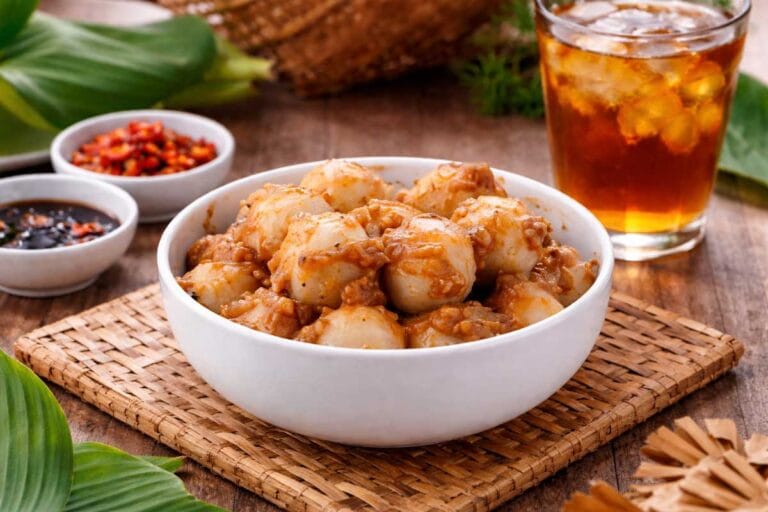
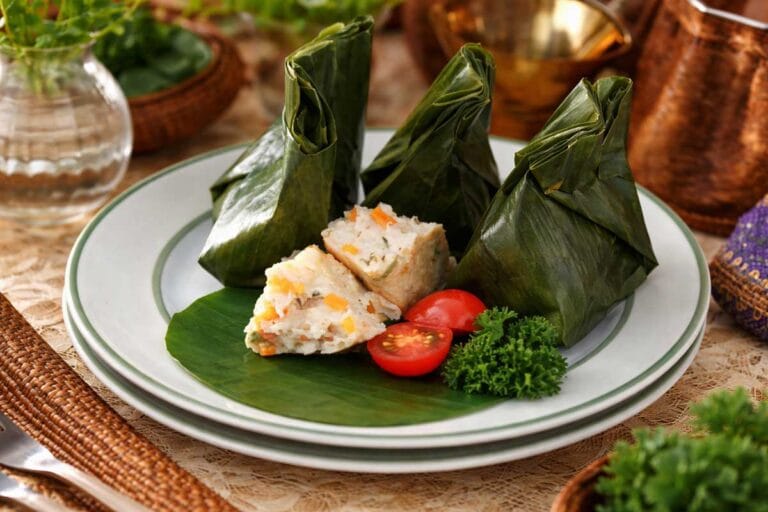
Pare also occasionally appears as one of the vegetable options in siomay (often spelled “somay”), an Indonesian street food similar to steamed dim sum, where various vegetables and fish cakes are served with a savory peanut sauce. In this form, the pare is stuffed with a fish-based filling (similar to “otak-otak”) and steamed, which significantly reduces its bitterness. While many seek to mellow out its flavor, for many Indonesians, the distinct bitter note is exactly what makes it special—a unique challenge and flavor hallmark we take pride in enjoying.
When Is It Traditionally Served?
Sambal Goreng Pare is commonly served during family meals, particularly for lunch or dinner. It’s not typically a celebration dish like rendang or tumpeng, but more of a comforting everyday home-cooked meal. However, during special communal events such as selametan (Javanese communal feasts), it might be included among other traditional dishes to represent the complexity and richness of life.
Availability Beyond Its Region
Though it originates in Java, Sambal Goreng Pare can be found throughout Indonesia due to its simple ingredients and adaptable cooking process. In cities like Jakarta, Bandung, or Surabaya, it’s common in warungs (small food stalls), home kitchens, and even some modern Indonesian restaurants.
Outside of Indonesia, it’s harder to find, but some Indonesian restaurants in the U.S., Netherlands, or Australia may offer it as a special menu item. For those wanting to try it at home, bitter melon is often available in Asian grocery stores, and the rest of the ingredients are pantry staples.
Cost of the Dish
In Indonesia, the cost of Sambal Goreng Pare is relatively low. Bitter melon is inexpensive, often grown at home or sold for about $0.50–$1 per piece. Shrimp prices vary, but for a medium portion, the entire dish can be prepared at home for under $5. In restaurants, a serving might cost around $2–4.
Internationally, preparing it at home might cost slightly more due to the price of shrimp and imported ingredients, totaling around $8–10 for a dish that serves 3–4.
Health Benefits and Nutritional Content
Bitter melon is known for its health benefits. It’s rich in antioxidants, vitamins A and C, and compounds that help lower blood sugar levels. It’s often recommended in traditional medicine for people managing diabetes or seeking detoxifying foods.

Shrimp adds lean protein and important nutrients like selenium, iodine, and vitamin B12. The overall dish is low in calories (approximately 127 kcal per serving for 8 servings), high in fiber, and nutritious while remaining flavorful.
Taste Profile
Sambal Goreng Pare is a bold-tasting dish. It combines bitterness from the pare, umami and sweetness from the shrimp, heat from the chilies, and richness from the spice paste. The kaffir lime leaves add citrusy brightness, balancing the deeper flavors.
Despite its bitterness, the dish is harmonized with spicy and savory elements, making it deeply satisfying for those who appreciate complex, layered tastes.
Typical Accompaniments
This dish is best enjoyed with steamed white rice, which softens the intensity of the flavors. It may also be paired with side dishes such as:
- Fried tempeh or tofu
- Acar (pickled vegetables)
- Sambal terasi (shrimp paste chili sauce)
It’s usually part of a larger spread of dishes shared family-style, as is common in Indonesian meals.
Is It Suitable for American and European Palates?
Bitter melon is an acquired taste, especially for those unfamiliar with it. Its natural bitterness can be jarring at first. However, by soaking and salting it before cooking—a key step—the bitterness is toned down.
To appeal more to Western palates:
- Reduce the amount of chili
- Add a touch of brown sugar or palm sugar to the spice paste
- Use butter instead of margarine for a richer, more familiar mouthfeel
Many food enthusiasts in the West appreciate bold flavors, and with the growing popularity of global cuisine, dishes like Sambal Goreng Pare have real potential to be appreciated beyond Indonesia.
Similar Dishes in Other Countries
Bitter melon is used in many Asian cuisines. In Chinese cooking, it’s stir-fried with black bean sauce or stuffed with pork. In Indian cuisine, karela is used in dry curries or deep-fried.

What sets Sambal Goreng Pare apart is its use of sambal and shrimp, which gives it a distinctively Indonesian character—fiery, aromatic, and earthy. Unlike Chinese versions that focus more on umami, or Indian versions that rely on spices like turmeric and cumin, this Indonesian variant builds depth from chilies, shallots, candlenuts, and kaffir lime leaves.
Conclusion: More Than Just a Dish
Sambal Goreng Pare is more than a recipe; it’s a cultural snapshot of Indonesian life—pragmatic, deeply rooted in nature, and rich in tradition. It invites the adventurous palate to explore flavors that challenge and reward. For Indonesians, it brings nostalgia; for newcomers, it offers discovery.
Whether you’re an expat longing for home or a foodie seeking your next flavorful adventure, Sambal Goreng Pare is a dish worth trying, understanding, and sharing.
Ready to cook it yourself? Don’t forget to check the full recipe above and explore more authentic Indonesian dishes on our blog.