Close your eyes and imagine the intoxicating aroma that wafts through the bustling, humid air of a traditional Indonesian kitchen. It begins with the rhythmic thud of a stone mortar and pestle, crushing vibrant red chilies, golden turmeric, and pungent garlic into a silken paste. Then comes the sizzle—the moment this aromatic paste hits hot oil, releasing a symphony of volatile oils into the air. Soon, the sharp, citrusy perfume of bruised lemongrass and torn kaffir lime leaves joins the chorus. Finally, tender strips of beef are folded into the pan, transforming into a deeply savory, sharply tangy, and fiery masterpiece.
This is Acar Pedas Daging—Spicy Pickled Beef—a dish that brilliantly encapsulates the bold, unapologetic, and complex flavor profiles of the Indonesian archipelago.
For international food enthusiasts looking to expand their culinary repertoire, Acar Pedas Daging offers a thrilling departure from standard stews and roasts. While the word “acar” typically translates to “pickle” and conjures images of crunchy cucumbers and carrots served as a humble side dish, this recipe elevates the concept. It marries the palate-cleansing acidity and crunch of traditional pickles with the rich, umami-laden comfort of a hearty beef dish. The result is a vibrant, multi-textural dining experience that dances across the tongue, hitting notes of fire, earth, citrus, and savory depth all at once.
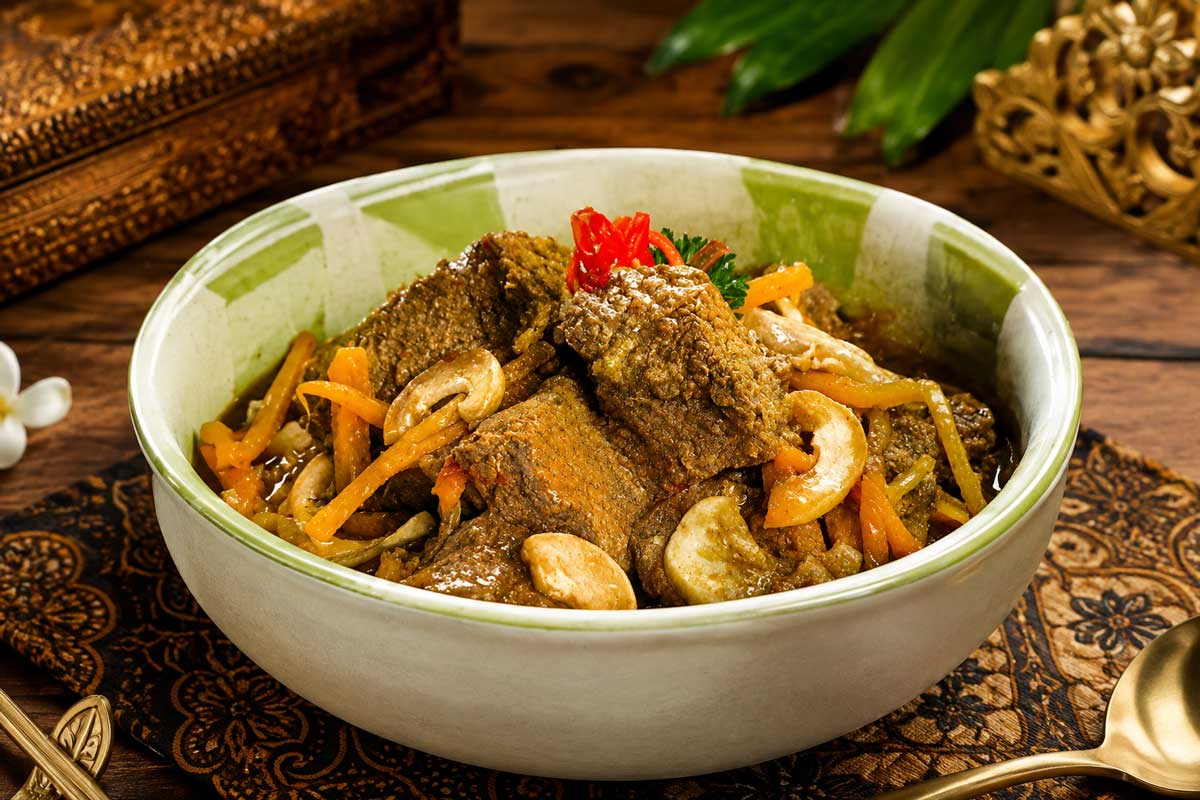
Acar Pedas Daging
Ingredients
Instruction
- Heat the cooking oil in a pan. Sauté the blended spice paste, kaffir lime leaves, Indonesian bay leaf, and lemongrass until aromatic.
- Add the beef and stir until the meat changes color. Add the whole green bird’s eye chilies, whole shallots, cucumber, and carrot. Cook until the vegetables begin to wilt.
- Stir in the salt, sugar, and water. Simmer until the flavors are fully absorbed, the liquid reduces, and the beef is tender and completely cooked.
- Add the lime juice and stir evenly to combine. Remove from heat and serve immediately.
Notes
Ingredient Substitutions for International Kitchens
- Asian Shallots (Bawang Merah): Western shallots are the best 1:1 substitute. If unavailable, use finely chopped red onions (1 small red onion equals roughly 3-4 Asian shallots).
- Kaffir Lime Leaves (Daun Jeruk): Substitute with the finely grated zest of a standard lime. Use about ½ teaspoon of lime zest for every 2 kaffir lime leaves required.
- Indonesian Bay Leaf (Daun Salam): This leaf has an earthy, subtle flavor unlike the floral European bay leaf. If you cannot find it, use ½ of a standard dried European bay leaf, or omit it entirely rather than overpowering the dish.
- Bird’s Eye Chilies (Cabai Rawit): Substitute with Thai chilies or habaneros for a similar intense heat level. For a milder dish, use Serrano or Jalapeño peppers.
- Curly Red Chilies (Cabai Merah Keriting): These are relatively mild and provide color and slight sweetness. Substitute with Fresno chilies, red jalapeños, or 1 small red bell pepper mixed with a pinch of cayenne powder.
- Fresh Turmeric (Kunyit): Substitute 1 cm of fresh turmeric with ½ teaspoon of dried ground turmeric powder. Skip the roasting step if using powder.
- Lime Juice (Air Jeruk Nipis): Fresh lemon juice or a mild rice vinegar can provide the necessary acidic tang if limes are unavailable.
The Origins and Cultural Tapestry of Acar
To truly appreciate Acar Pedas Daging, one must first understand the historical journey of “acar” in the Indonesian archipelago. The culinary concept of pickling vegetables in a brine of vinegar, salt, and sugar was not born in a vacuum. It is a delicious byproduct of centuries of maritime trade. The word itself finds its roots in the Persian word āchār, which denotes powdered or salted meats, pickles, or fruits preserved in salt, vinegar, honey, or syrup.
As Middle Eastern and Indian merchants navigated the ancient spice routes, docking their vessels in the ports of Sumatra, Java, and the Maluku Islands (the fabled Spice Islands), they brought with them the technique of pickling. Over time, the indigenous populations of the archipelago adapted these techniques, utilizing local ingredients like fiery bird’s eye chilies, shallots, and tropical citrus to create a uniquely Southeast Asian condiment.

While standard vegetable acar is a staple accompaniment to heavy, coconut-milk-based dishes like Rendang or rich rice dishes like Nasi Goreng to cut through the fat, Acar Pedas Daging represents an evolution. By cooking the beef directly in the acidic, spice-heavy base alongside the vegetables, the dish blurs the line between a main protein course and a sharp, tangy relish. It is a testament to the Indonesian culinary philosophy of balance: for every element of heavy, savory fat, there must be a sharp, acidic counterpoint.
Culinary Cousins: How the World “Pickles” Meat
While Acar Pedas Daging is distinctly Indonesian, the technique of cooking and preserving meat or seafood in an acidic, heavily spiced environment is a global phenomenon. Exploring these culinary cousins helps international cooks contextualize the dish.
In the Philippines, there is Kinilaw and Pakstiing, where proteins are steeped in palm vinegar, citrus, and aromatics, utilizing the acid to “cook” or tenderize the meat. Latin America boasts Escabeche, a legacy of Moorish Spain, where fried fish or meat is marinated in a vibrant mixture of vinegar, onions, carrots, and jalapeños. Even closer in flavor profile is the famous Jamaican Escovitch, which bathes fish in a fiery, vinegary vegetable pickle featuring Scotch bonnet peppers and pimento.
Perhaps the most famous international relative is the Indian Vindaloo. Originally derived from the Portuguese carne de vinha d’alhos (meat marinated in wine and garlic), the Goan adaptation uses vinegar and fiery chilies to preserve and flavor pork or beef. Like Vindaloo, Acar Pedas Daging uses acid—in this case, lime juice and the natural astringency of lemongrass—to tenderize the beef, resulting in a melt-in-your-mouth texture cut by a sharp, spicy bite.
The Anatomy of Flavor: Ingredient Breakdown & Health Benefits
The magic of this dish lies in its ingredients. Each component not only contributes to a complex flavor matrix but also brings a wealth of traditional medicinal properties and nutritional benefits.
The Spices and Aromatics (Bumbu Halus)
The foundation of the dish is the bumbu halus (spice paste). It features turmeric (kunyit), a rhizome revered globally for its active compound, curcumin. Curcumin is a potent anti-inflammatory and antioxidant. When turmeric is toasted or cooked with fats, its bioavailability increases, making this dish surprisingly beneficial for joint health and inflammation reduction. Ginger (jahe) adds a warm, peppery bite and is highly regarded in traditional medicine for its digestive properties and ability to combat nausea.
Garlic and shallots provide the pungent, sweet, and savory base notes. Both belong to the allium family and are rich in sulfur compounds like allicin, which are known to support the immune system and cardiovascular health.
The Chilies (Cabai Merah & Cabai Rawit)
This recipe calls for a mix of curly red chilies and green and red bird’s eye chilies (cabai rawit). These chilies bring more than just a fiery burn; they are packed with capsaicin. Capsaicin has been studied extensively for its metabolism-boosting properties and its ability to trigger the release of endorphins—the body’s natural painkillers. Furthermore, fresh chilies are an exceptional source of Vitamin C, often containing more of the vitamin per gram than oranges.

The Herbs: Lemongrass, Kaffir Lime, and Salam Leaf
Lemongrass provides a floral, citrusy perfume without the tartness of actual lemon, while kaffir lime leaves offer an intense, sharp citrus aroma that is irreplaceable in Southeast Asian cooking. The daun salam (Indonesian bay leaf) imparts an earthy, subtle astringency. Together, these herbs are rich in essential oils that have mild antimicrobial properties and are used in aromatherapy to reduce anxiety.
The Vegetables & Protein
Cucumbers and carrots provide crucial textural contrast—a refreshing crunch against the tender beef. Carrots are famously rich in beta-carotene (Vitamin A), essential for eye health and immune function. The cucumber hydrates and cools the palate, balancing the intense heat of the chilies. Finally, the lean beef is a powerhouse of high-quality protein, bioavailable heme iron, Zinc, and Vitamin B12, making it an excellent dish for muscle repair and combating anemia.
Nutritional Profile & The Dangers of Excess
When consumed as part of a balanced diet, Acar Pedas Daging is a relatively wholesome dish. The caloric density will largely depend on the cut of beef used. Using 300 grams of lean beef (such as sirloin or flank), a single serving (assuming the recipe serves 3 to 4 people) yields approximately 200 to 250 calories from the meat, with minimal added fats (only one tablespoon of cooking oil is used). The heavy vegetable and spice content ensures the dish is rich in micronutrients and dietary fiber.
However, as with any highly seasoned dish, there are health considerations to keep in mind if consumed in excess. The primary concern is the digestive impact of the spice levels. The heavy concentration of bird’s eye chilies can be an irritant to the gastrointestinal tract. For individuals suffering from acid reflux, gastritis, or peptic ulcers, overindulging in extremely spicy foods can trigger painful flare-ups and exacerbate stomach lining irritation.
Additionally, while the beef provides excellent nutrients, high consumption of red meat has been linked by nutritional experts and researchers to an increased risk of cardiovascular diseases, particularly if the meat is excessively fatty. Finally, depending on the salt tolerance of the cook, the sodium content can climb quickly. Diets excessively high in sodium are a known risk factor for hypertension. Therefore, this dish is best enjoyed as it is intended in Indonesian culture: shared communally, accompanied by plenty of steamed plain rice, and rotated with vegetable and plant-based protein dishes throughout the week.
The Expatriate’s Pantry: Global Substitutions
One of the greatest hurdles for international home cooks attempting authentic Indonesian cuisine is sourcing the ingredients. Fortunately, the globalized nature of modern supermarkets makes it easier than ever. If you find yourself unable to locate the exact items, here is how you can substitute them without losing the soul of the dish:
- Daun Salam (Indonesian Bay Leaf): This herb is uniquely earthy and subtle. If you cannot find it at a local Asian grocer, you can substitute it with a standard European/American Bay Leaf. Note that standard bay leaves are much more pungent and floral, so use half the amount.
- Kaffir Lime Leaves: These leaves have a distinct, highly aromatic citrus profile. If unavailable, use the finely grated zest of one standard lime. It won’t have the exact herbal note, but it will provide the necessary citrus oil aroma.
- Bird’s Eye Chilies (Cabai Rawit): These pack a serious punch. For a similar heat level, substitute with Thai chilies or Habaneros. If you prefer a milder dish, use Serrano or Jalapeño peppers, keeping in mind that the flavor profile will become slightly more vegetal.
- Curly Red Chilies (Cabai Merah Keriting): These are relatively mild and used largely for color and subtle sweetness. You can easily substitute them with mild red Fresno chilies or even a small red bell pepper combined with a pinch of cayenne for heat.
- Shallots (Bawang Merah): Asian shallots are small and pungent. If unavailable, use standard Western shallots, or in a pinch, red onions.
Kitchen Logistics: Time, Occasion, and Economics
Time Investment
Despite its complex flavor profile, Acar Pedas Daging is surprisingly quick to put together, making it an excellent choice for a weeknight dinner that tastes like a weekend feast.
- Prep Time: 15 to 20 minutes (chopping vegetables, slicing meat, and blending the spice paste).
- Cook Time: 20 to 25 minutes. Sautéing the aromatics takes about 5 minutes, browning the beef takes another 5, and simmering it with the water, vegetables, and seasonings to allow the flavors to meld takes roughly 10 to 15 minutes.
- Total Time: Under 45 minutes.
When to Serve
This dish is incredibly versatile. In an everyday setting, it is a magnificent centerpiece for a family dinner, served simply with steaming hot Jasmine or Basmati rice. The rice acts as a blank canvas, absorbing the tangy, spicy gravy. For entertaining, it shines brightly at dinner parties or potlucks. Because the flavors actually deepen and develop over time, Acar Pedas Daging is a fantastic make-ahead dish. It tastes arguably better the next day after resting in the refrigerator, making it a stress-free option for hosting guests.
Cost Analysis
The economics of cooking this dish are highly favorable. The primary expense is the 300 grams (about 10.5 ounces) of beef. Because the meat is sliced thinly and heavily bulked up by vegetables and a robust sauce, you do not need an expensive cut like filet mignon; affordable cuts like flank steak, skirt steak, or even a lean chuck roast work beautifully.
Depending on your geographic location, the beef will cost between $5 and $10 USD. The aromatics, vegetables, and pantry staples (sugar, salt, oil) are highly economical. In total, a batch that comfortably serves 3 to 4 people can be created for an estimated $10 to $15 USD, classifying it as an affordable culinary luxury.
Conclusion
Acar Pedas Daging is more than just a recipe; it is a vivid culinary story told through the medium of spice, acid, and heat. It invites international cooks to step outside their comfort zones and experience the vibrant, complex, and deeply satisfying world of Indonesian flavor building.
By mastering the fragrant bumbu halus, understanding the delicate balance of sugar, salt, and lime juice, and learning to respect the fiery power of the bird’s eye chili, you are not just making dinner—you are engaging in a centuries-old culinary tradition. So gather your ingredients, fire up the stove, and prepare your palate for an unforgettable journey.
Sources & Further Reading:
- Harvard T.H. Chan School of Public Health: Protein and Cardiovascular Health.
- National Institutes of Health (NIH) – Curcumin: A Review of Its’ Effects on Human Health.
- “The Spice Route: A History” by John Keay (Background on global spice trade and culinary migrations).