Between the Sweetness of Gudeg and the Heat of Rendang
Java vs Sumatra Cuisine represents two contrasting poles of flavor in Indonesian food, and I had the rare privilege of experiencing both firsthand. I was born into a family with deep, layered cultural roots: my father, part East Javanese and Batak, leaned toward the sweet, subtle flavors characteristic of Javanese cuisine, while my mother, with her Padang and Batak background, favored bold, spicy dishes packed with coconut milk, chilies, and aromatic spices.
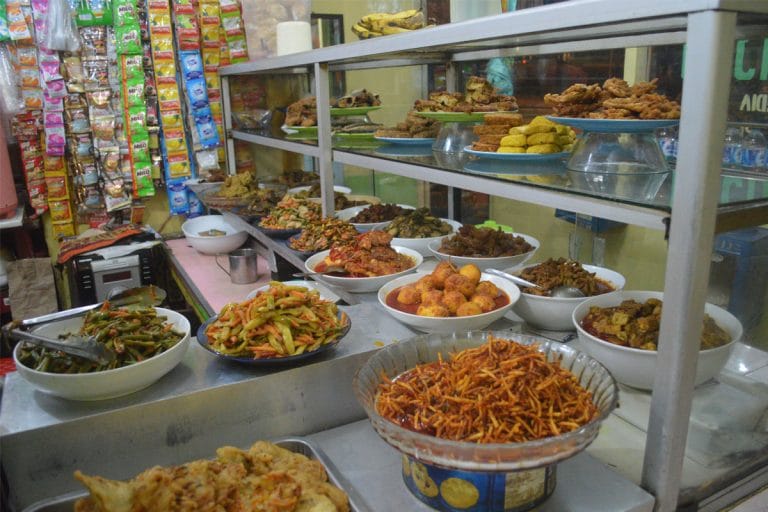
At our dining table, these culinary worlds collided daily. One day, a pot of gudeg—the slow-cooked young jackfruit stew from Yogyakarta, caramelized with coconut sugar—would simmer gently in the kitchen, filling the air with its sweet, comforting aroma. The next day, the unmistakable scent of Rendang Padang, dark, richly spiced, and fiery, would dominate the room. Growing up amidst these two extremes gave me a unique lens: the ability to appreciate the full spectrum of Indonesian cuisine, from gentle sweetness to bold spiciness.
For many international food enthusiasts, Indonesian cuisine is often simplistically labeled as “spicy food.” In reality, it’s far more nuanced. Indonesia is made up of over 17,000 islands, with more than 1,300 ethnic groups, each bringing its own culinary philosophy, techniques, and flavor profiles. Even a single dish, like Sate Padang, can vary dramatically depending on where you taste it. In Padang Panjang, the sauce is bright yellow from turmeric and relatively mild. In Pariaman, it becomes deep red-brown, thick, and intensely spicy, packed with chili. Urban centers often feature hybrid versions, striking a balance between the extremes.
Exploring Indonesian food is, in essence, a journey through multiple culinary identities. At the heart of this diversity lies Java vs Sumatra Cuisine—one side gentle and sweet, the other bold and fiery—each shaped by geography, culture, and centuries of history.
History & Cultural Background: Sweet Java vs Spicy Sumatra
Java: The Legacy of Kraton and Coconut Sugar
In Java, especially around Solo and Yogyakarta, the royal courts (kraton) have left a profound mark on local cuisine. Sweetness is more than a taste—it symbolizes harmony, love, and blessings for the future. It is common to find sweet dishes at traditional ceremonies, weddings, and communal gatherings.
The natural environment also played a key role. Java’s fertile land, especially along the coast, is abundant with coconut trees. Locals turned coconut sap into gula Jawa (palm sugar), a cornerstone of Javanese cooking. This long-standing tradition, combined with the introduction of sugarcane during the Dutch colonial era, ensured that sweetness became deeply embedded in daily meals. From gudeg to klepon and kue talam ubi, sugar is an integral element that balances flavors and creates the distinctive mellow taste of Javanese cuisine.
Sumatra: Spices and the Influence of Global Trade
Sumatra, by contrast, has a culinary history shaped by centuries of trade with India, the Middle East, and Malay kingdoms. Spices such as nutmeg, cloves, and pepper were introduced and integrated into local cooking techniques, often combined with rich coconut milk and chili to create intensely flavorful dishes.
In West Sumatra (Minangkabau), for example, local coconut varieties—like Painan or Pariaman—produce a creamier, richer santan (coconut milk), giving dishes like Gulai Ayam or Rendang their signature depth and richness. The colder highlands encouraged the use of chili and spice to warm the body, while the Minangkabau tradition of merantau (migration) helped spread this culinary identity across Indonesia and beyond.
This combination of geography, trade, and migration means Sumatra’s food culture is daring, bold, and unapologetically rich in flavor. It’s a stark contrast to Java’s subtle, sweet, and balanced approach—but both are essential to understanding the full tapestry of Java vs Sumatra Cuisine.
Flavor Profiles: Gentle vs. Bold
Javanese Cuisine: Subtle and Sweet
Javanese food often feels calm and comforting, with flavors that are balanced rather than aggressive.
- Gudeg (Yogyakarta): Young jackfruit simmered for hours in coconut milk and palm sugar until it becomes tender, sweet, and fragrant.
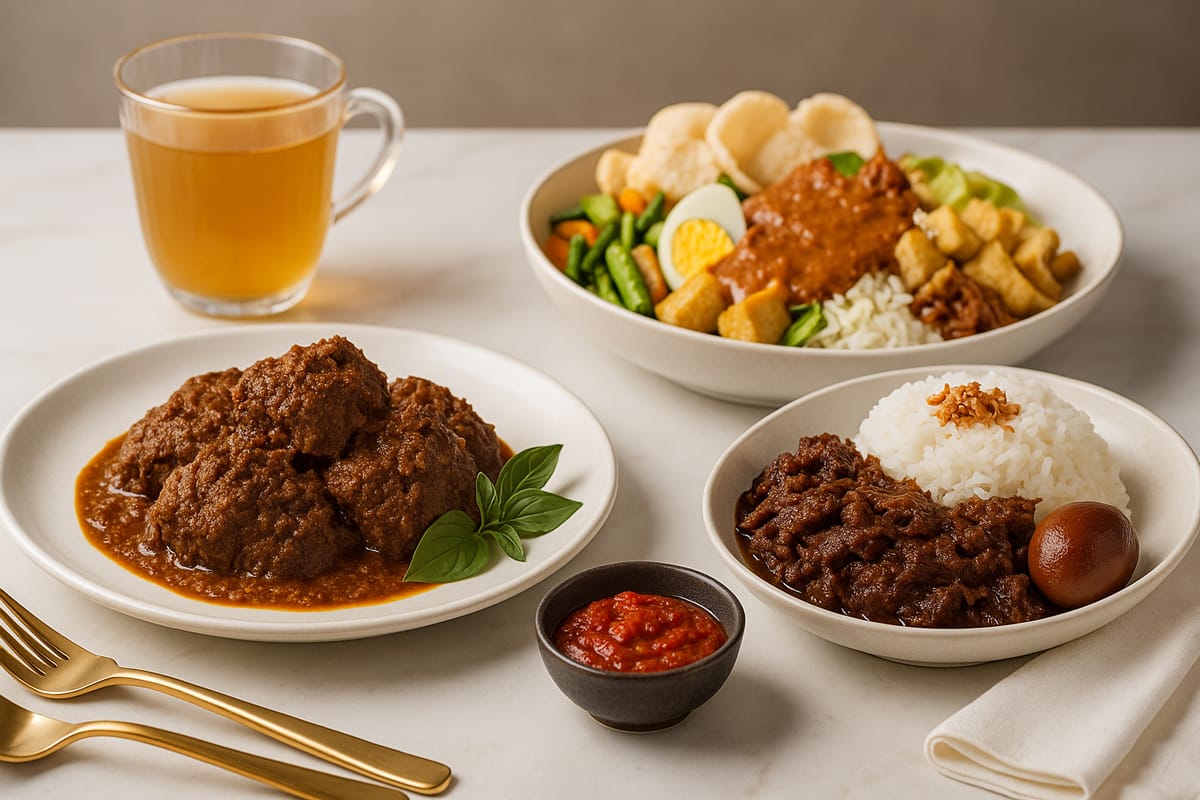
- Ketoprak (Jakarta/Betawi): A humble street dish of tofu, rice noodles, and rice cake bathed in sweet peanut sauce.
- Lumpia Semarang: Spring rolls filled with bamboo shoots, reflecting Chinese influence but adapted with Javanese mildness.
- Klepon & Kue Talam Ubi: Traditional sweets that remind us sweetness is not just dessert—it’s an everyday language of food.


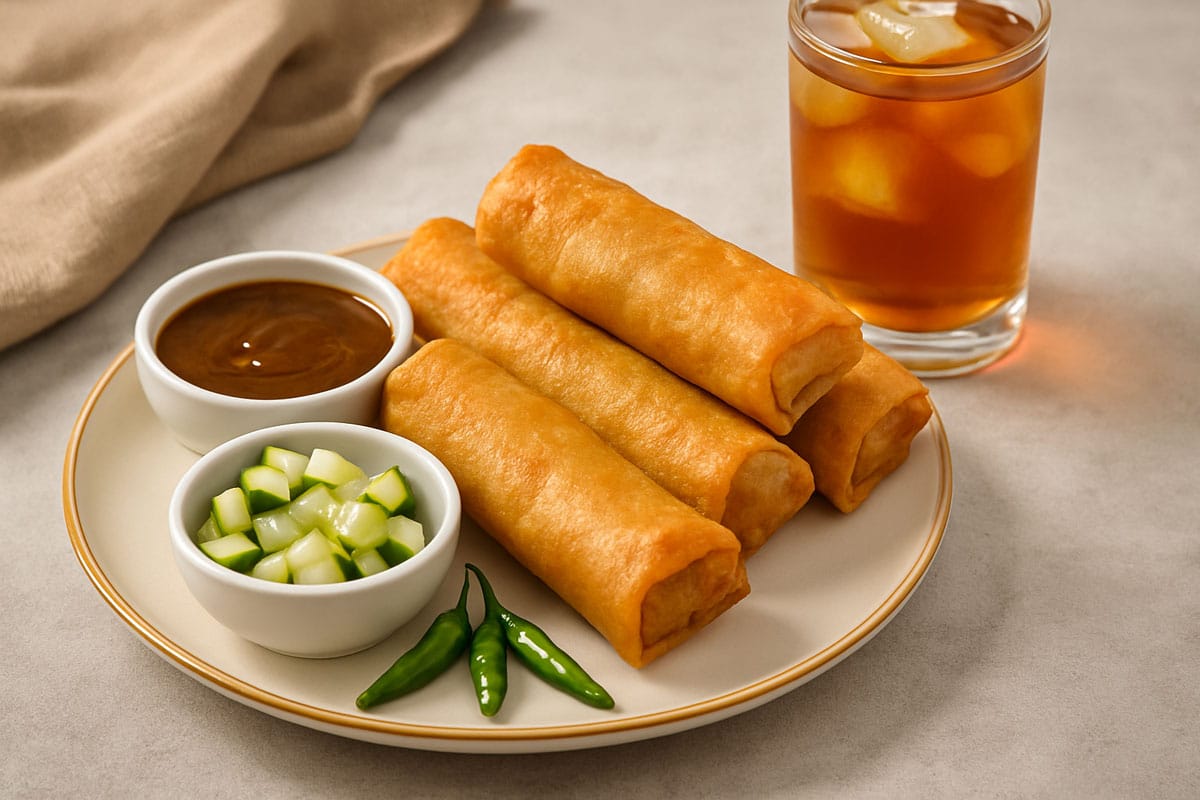


From a Western perspective, the sweetness in Javanese dishes may seem unusual in savory meals. Yet it’s this gentle balance that makes these foods so approachable for international palates.
Sumatran Cuisine: Spicy, Rich, and Layered

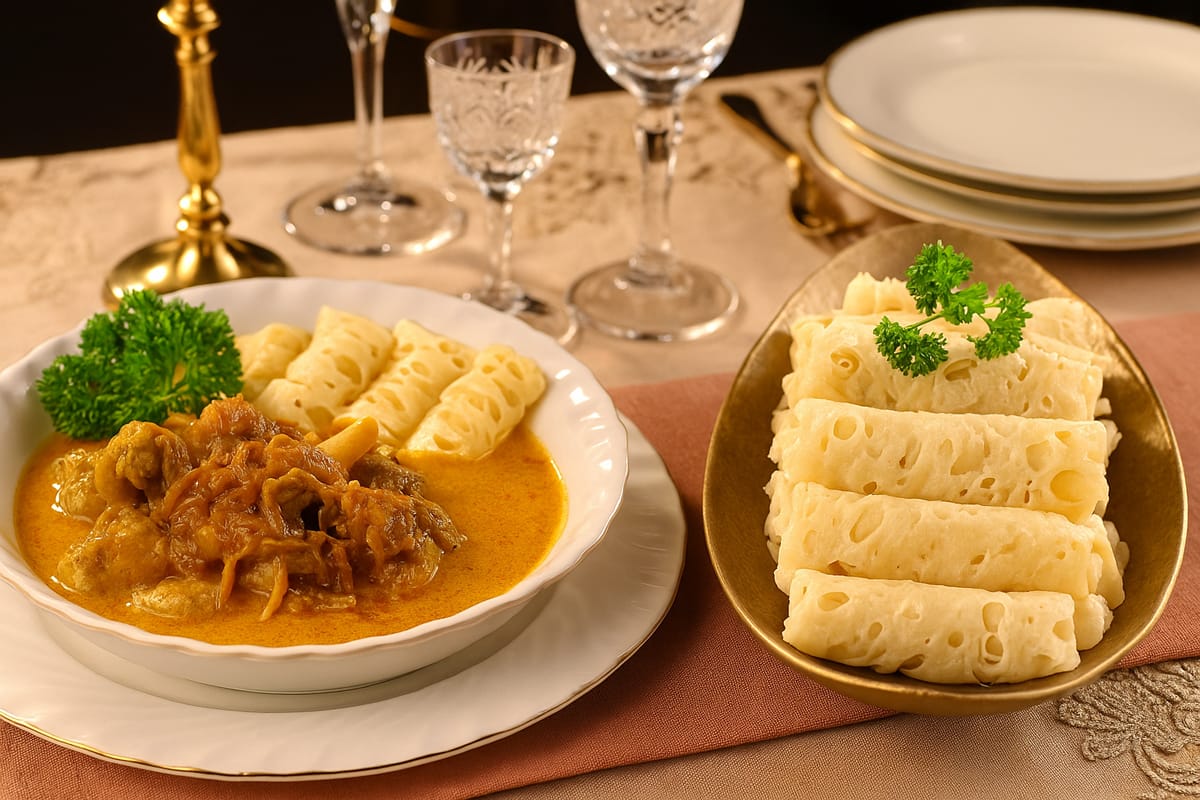


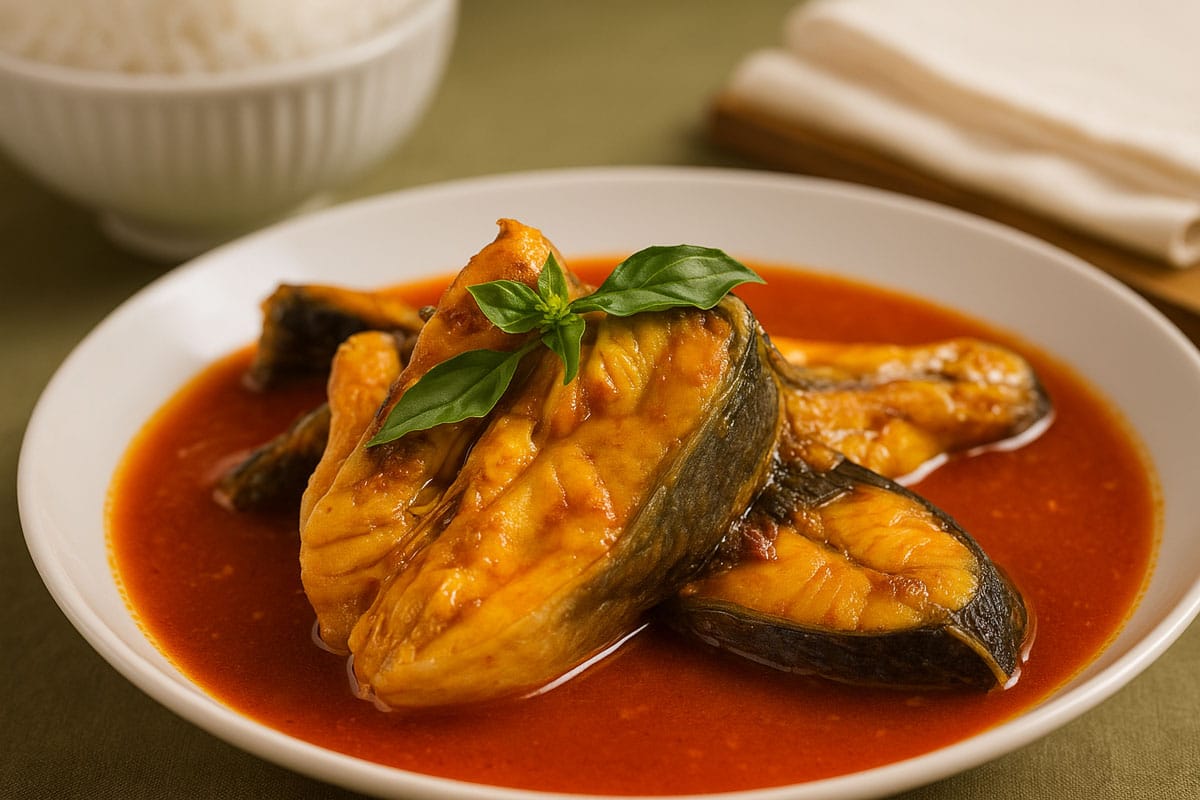
Sumatran food is unapologetically bold. Dishes combine multiple layers of spice with rich coconut milk, producing flavors that hit hard and linger.
- Rendang (Padang): Often called the “king of Indonesian food,” slow-cooked beef with spices and coconut milk until it turns dark, caramelized, and intensely flavored.
- Gulai (chicken, goat, or fish): Coconut milk curries spiced with turmeric, coriander, and galangal.
- Mie Aceh: Thick yellow noodles stir-fried or soupy, laced with curry and chilies, usually with beef, goat, or seafood.
- Pempek Palembang with Cuko Sauce: Chewy fishcakes paired with a sweet-sour-spicy sauce made from palm sugar, tamarind, and chili.
- Patin Asam Pedas (Riau): Catfish cooked in a tangy, chili-based broth that is both refreshing and fiery.
Where Javanese food soothes the soul, Sumatran food excites the senses—making it appealing to those who enjoy bold flavors and adventurous eating.
Cooking Techniques: Patience vs. Intensity
Cooking in Java is about patience. Dishes like gudeg are simmered slowly, sometimes overnight, until the flavors are gentle and harmonious. Kecap manis (sweet soy sauce) balances saltiness and adds a caramel-like depth.
In Sumatra, the technique is about intensity. The process begins with layering spices—shallots, garlic, ginger, galangal, turmeric, and chilies sautéed until aromatic. Then coconut milk is added and carefully simmered to prevent splitting. This method builds complexity and depth, making dishes like rendang taste rich and multidimensional.
These methods mirror the cultural temperaments: Javanese cooking embodies subtlety and restraint, while Sumatran cooking bursts with expression and force.
Indonesian Flavors in a Global Context
For Western food enthusiasts, pairing Indonesian dishes with familiar foods can make them more approachable:
- Gudeg with bread or mild cheese: The sweet and earthy flavor complements soft or creamy Western ingredients.
- Rendang with mashed potatoes, rice pilaf, or couscous: The rich, spicy sauce balances starchy textures and introduces depth.
- Mie Aceh with roasted vegetables or a simple salad: Helps temper the heat while keeping the aromatic spices.
Such pairings allow international readers to experience Indonesian cuisine without overwhelming their palate, making the flavors accessible and versatile.
Culinary Travel: Where to Taste Authentic Flavors
Exploring Java and Sumatra through food is like walking through living history:
- Java: Yogyakarta for Gudeg Yu Djum, Semarang for Lumpia Gang Lombok, and Jakarta for street-level Ketoprak.
- Sumatra: Padang for legendary Rendang Dagiang, Palembang for Pempek Candy, and Aceh for fiery Mie Aceh Titi Bobrok.
Visiting these regions provides context, showing how geography, climate, and trade shaped the dishes. For instance, coconut palms on Sumatra’s coast influence the creamy texture of gulai, while the volcanic soil in Java supports sugar-rich palm trees, giving its cuisine a distinct sweetness.
Nutritional Insights
For Western audiences concerned with health:
- Javanese dishes: Often lower in fat but higher in natural sugars from palm sugar. They are gentle on the digestive system and balanced in flavor.
- Sumatran dishes: Higher in fat due to coconut milk, protein-rich, and very spicy. They provide energy and warmth, reflecting the colder highland climates of Minangkabau.
Knowing these nuances can help international readers choose dishes according to their dietary preferences while appreciating authentic flavors.
Visual Guide to Two Culinary Poles
| Aspect | Java | Sumatra |
|---|---|---|
| Flavor Profile | Sweet, mild, balanced | Spicy, bold, rich |
| Cooking Method | Slow cooking, sweet soy sauce | Layering spices, thick coconut milk |
| Cultural Roots | Royal courts, Hindu-Buddhist, Chinese | Indian, Arab, Malay trade routes |
| Examples | Gudeg, Ketoprak, Klepon, Lumpia | Rendang, Gulai, Mie Aceh, Pempek |
Conclusion: Two Poles, One Culinary Identity
Java and Sumatra may stand on opposite sides of the flavor spectrum, but together they illustrate the richness of Indonesian food culture. One teaches us the elegance of balance and sweetness, the other the beauty of boldness and spice.
For travelers and food lovers exploring Indonesia, tasting both is essential. A bowl of gudeg in Yogyakarta will show you how patience and sweetness can feel like harmony. A plate of rendang in Padang will remind you how fire and spice can taste like passion.
In the end, Indonesia’s culinary identity is not about choosing one over the other—it’s about celebrating both, and everything in between.