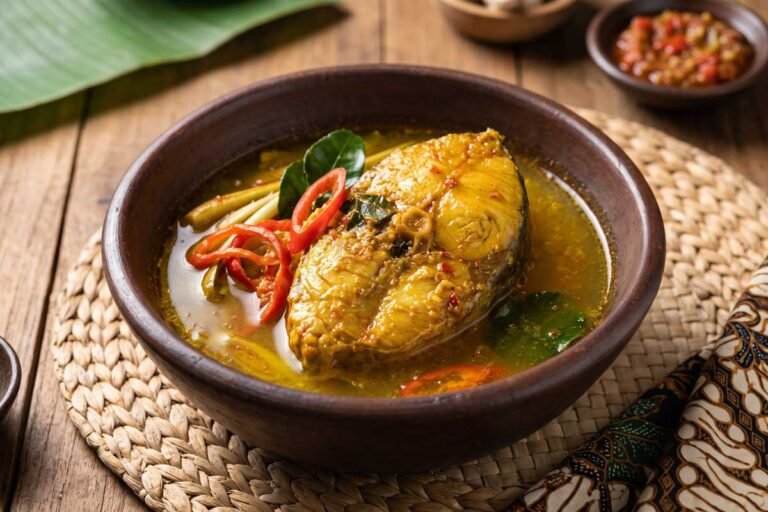
Sepat Ikan (Sumbawa Smoky Grilled Fish & Roasted Eggplant Lime Soup)
✨ Key Takeaways
- The Sepat Ikan recipe uses zero oil, relying on charred ingredients for deep smoky flavor.
- Key ingredients include Spanish mackerel, purple eggplant, and fresh lemon basil.
- It is a healthy, high-protein dish perfect for summer or light dinners.
- Western substitutes like macadamia nuts and key limes work well for authenticity.
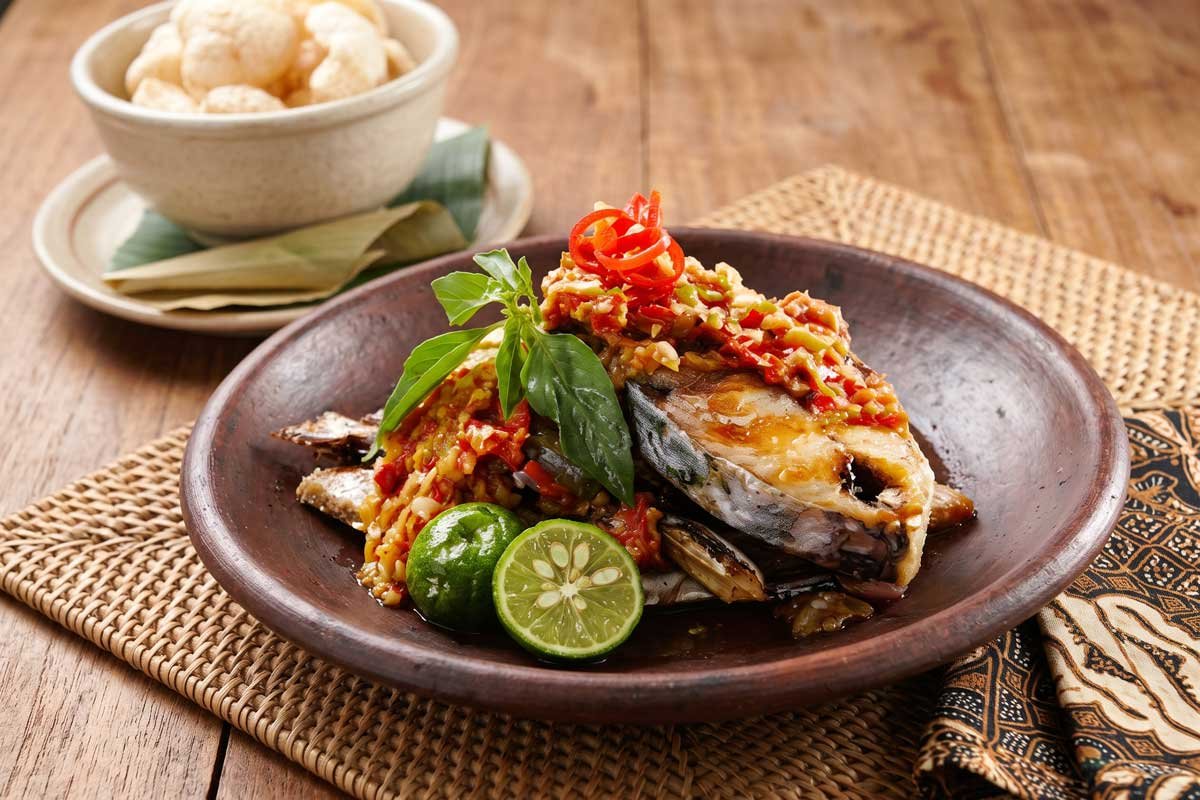
Sepat Ikan is a traditional Sumbawa dish featuring charred Spanish mackerel and eggplant in a bright, lime-infused broth. This Sepat Ikan recipe requires no cooking oil, using fire-roasted aromatics to create a smoky, tangy, and protein-rich soup that is both healthy and culturally significant in Eastern Indonesia.
Discover the authentic Sepat Ikan recipe, a smoky, oil-free Sumbawa fish soup that redefines coastal Indonesian cooking. Most soups start with a splash of oil in a hot pot. Sepat Ikan from the island of Sumbawa throws that rule out the window. There is no sautéing, no frying, and not a single drop of cooking oil or coconut milk in the entire bowl. Instead, every major ingredient—meaty Spanish mackerel, purple eggplant, shallots, tomatoes, red chilies, and candlenuts—is charred directly over open fire, coarsely pounded in a mortar, and stirred into clean water with bright lime juice, fresh lemon basil, and a generous handful of crunchy beef-skin crackers.
If you have never tasted Eastern Indonesian coastal cooking, Sepat Ikan is a revelation. It lands somewhere between a smoky roasted salsa, a refreshing lime-infused fish broth, and a rustic grilled salad. Best of all, it comes together in about 35 minutes and relies on a straightforward, healthy technique that works just as well under a Western oven broiler as it does over Sumbawa’s coconut-husk coals.
The History and Cultural Roots of Sepat Ikan
Sepat Ikan is widely considered the culinary emblem of Sumbawa Island (Tana Samawa) in West Nusa Tenggara. While neighboring islands are known for rich coconut curries or fiery fried dishes, Sumbawa’s traditional kitchen was shaped by two defining realities: a dry, sun-baked savanna landscape and a coastline teeming with fresh reef and pelagic fish.
According to Indonesian culinary documentation—including regional heritage records from the Indonesian Ministry of Education and Culture (Kemendikbudristek) and culinary features in Kompas and the Ensiklopedia Kuliner Nusantara—Sepat originated as a practical, everyday dish among Samawa coastal and agrarian families. Historically, cooking oil was not always abundant or affordable in rural Sumbawa, whereas firewood, coconut husks, fresh fish, and backyard vegetables like eggplant and basil were plentiful. Roasting ingredients directly over glowing embers became the fastest, cleanest way to cook.
Over generations, Sepat Ikan grew from a humble fisherman’s meal into a centerpiece of Samawa cultural identity. Today, it holds a special place during Ramadan. Across Sumbawa Besar and surrounding towns, Sepat is the most sought-after dish for buka puasa. After a long day without food or water in tropical heat, the oil-free, sour, smoky broth rehydrates the body and wakes up the appetite without weighing down the stomach.
Also check out:
Easy Terung Bakar Sambal Kemangi | Indonesian Grilled Eggplant
Sepat Ikan (Sumbawa Smoky Grilled Fish & Roasted Eggplant Lime Soup)
A refreshing, oil-free Eastern Indonesian specialty from Sumbawa made with char-grilled fish, smoky roasted eggplant, coarsely pounded charred shallots, tomatoes, chilies, and candlenuts, all brought together in a bright lime-and-basil broth topped with crunchy skin crackers.
Ingredients
Instruction
- Grill the Fish: Preheat a charcoal grill, gas grill, or oven broiler to medium-high heat. Grill the fish for 4–5 minutes per side (depending on thickness) until cooked through, flaky, and lightly charred on the outside. Set aside to cool slightly, then break into large, bite-sized chunks (removing any large bones).
- Char the Eggplant & Aromatics: Over an open flame, grill grates, or under the broiler, roast the whole eggplant until the skin is completely blistered and blackened and the flesh feels very soft (about 10–12 minutes, turning occasionally). At the same time, roast the unpeeled shallots, red chilies, tomato, and candlenuts (place candlenuts in a small dry skillet or foil packet so they don’t fall through the grates) until lightly charred and fragrant (4–6 minutes).
- Peel & Prep: Peel away the blackened skin from the roasted eggplant and discard the skin; tear the smoky, tender flesh into coarse strips. Peel the charred skins off the roasted shallots.
- Coarsely Pound the Base: In a large mortar and pestle (or pulse briefly in a food processor), coarsely pound the roasted candlenuts, salt, peeled roasted shallots, roasted tomato, and roasted red chilies. Keep the texture rustic and chunky—do not blend into a smooth puree.
- Assemble the Broth: Transfer the pounded mixture into a large serving bowl. Pour in the 250 ml of drinking water and squeeze in the fresh lime juice, stirring gently to dissolve the salt and release the smoky flavors into the water. Fold in the torn roasted eggplant and roughly chopped lemon basil.
- Add Fish & Serve: Gently nestle the grilled fish chunks into the smoky lime broth. Top generously with kerupuk kulit (skin crackers) right before serving, and enjoy immediately with hot steamed white rice.
Notes
- Keep the Texture Rustic: Avoid over-blending the roasted aromatics. Using a mortar and pestle (cobek or molcajete) gives you the authentic coarse, salsa-like texture that makes Sepat Ikan so satisfying.
- Serve at Room Temperature or Warm: Traditional Sepat is never boiled on the stove after mixing. Using room-temperature or lightly warm drinking water preserves the bright, fresh aroma of the lime juice and basil.
- Keep the Crackers Crisp: Add the kerupuk kulit at the very last second—or serve them in a side bowl—so each diner can enjoy the contrast between crackling crunch and smoky broth.
- Candlenut Safety: If using authentic Indonesian candlenuts (kemiri), always roast or dry-toast them thoroughly until lightly browned before pounding. Never consume raw candlenuts.
- Make-Ahead Tip: You can grill the fish and char the vegetables up to 4 hours ahead of time, but wait to mix in the water, lime juice, basil, and crackers until right before serving for the freshest flavor.
The Name and Culinary Philosophy
In the local Samawa language, Sepat does not refer to the freshwater snakeskin gourami fish (also called ikan sepat in Java and Sumatra)—a common point of confusion even among Indonesians. In Sumbawa, Sepat refers to a specific culinary style defined by char-grilled ingredients mixed into a bright, sour, water-based broth. Adding Ikan (fish) specifies the protein, distinguishing it from shrimp (Sepat Udang) or beef variations.
Philosophically, Sepat Ikan embodies simplicity, honesty, and fire-driven flavor:
- Zero Oil, Pure Smoke: By charring the fish, eggplant, tomato, shallots, chilies, and candlenuts directly over fire, the dish captures natural caramelization and wood-smoke aroma without needing heavy fats.
- Coarse Texture (Tumbuk Kasar): Unlike Javanese spice pastes that are ground silky smooth, Sepat’s aromatics are deliberately pounded coarsely. You are meant to see and taste the rustic flecks of roasted tomato, charred shallot, and nutty candlenut suspended in the broth.
- Contrast in Every Spoonful: Soft, smoky torn eggplant and flaky grilled fish meet crisp, aromatic basil leaves and crackling kerupuk kulit that soak up the tangy lime broth right at the table.
What Does Sepat Ikan Taste Like?
If you are trying to picture the flavor before firing up your grill, think of Sepat Ikan as a smoky, tangy, citrus-bright grilled fish broth with a rustic, charred-vegetable body.
- Deeply Smoky: Charring the eggplant, fish, and aromatics over flame infuses the entire bowl with an unmistakable campfire depth.
- Bright & Tangy: Fresh jeruk limau (kaffir/key lime) juice gives the broth a sharp, floral acidity that keeps every bite light and refreshing.
- Savory & Mildly Nutty: Roasted candlenuts (kemiri) and charred shallots dissolve slightly into the water, adding a subtle, natural richness that softens the citrus tang.
- Gentle, Warm Heat: Five large red chilies roasted over fire lose their raw sharpness and turn sweet, smoky, and mildly spicy—very approachable for international palates.
- Herbaceous & Crunchy: Fresh lemon basil (kemangi) adds a sweet, peppery aroma at the finish, while the kerupuk kulit delivers a satisfying crunch that gradually softens into savory, broth-soaked bites.
How It Is Traditionally Served in Indonesia
In Sumbawa, Sepat Ikan is served at room temperature or lightly warm. Because the broth is made with clean drinking water (air matang) mixed with freshly grilled ingredients, the residual heat from the fish and eggplant warms the liquid just enough to bloom the basil and lime without cooking away their fresh aroma.
A traditional Sumbawa serving includes:
- Steamed White Rice (Nasi Putih): Essential for soaking up the smoky, tangy broth.
- Kerupuk Kulit (Beef Skin Crackers): Scattered generously on top right before eating so they stay crisp.
- Side Dishes for a Feast: At family lunches or Ramadan tables, Sepat is often paired with Ayam Bakar Sumbawa (spiced coconut grilled chicken) or Singgang Sumbawa (turmeric-tamarind fish soup), acting as the bright, refreshing counterpoint to richer dishes.
When to Serve It
Sepat Ikan is at its absolute best on hot summer days, at backyard barbecues (where the grill is already lit), or whenever you want a light, low-oil, high-protein weeknight dinner. It is also a fantastic conversation-starter for dinner parties because few guests outside Indonesia have ever experienced a fire-roasted, oil-free Southeast Asian soup.
Can Sepat Ikan Be Adapted Internationally?
Yes—and it is surprisingly easy to pull off anywhere in the world. You do not need an outdoor charcoal grill to make authentic Sepat Ikan. If you have a gas stovetop, you can char the eggplant, chilies, tomato, and shallots directly over the burner grate using tongs. If you have an electric or induction stove, simply arrange the fish and vegetables on a foil-lined baking sheet and roast them under your oven broiler on high until deeply blistered and charred.

Also check out:
Ayam Bumbu Rujak: From Java to Your Backyard Grill
Ingredient Substitutions for Western Supermarkets
Every single ingredient in Sepat Ikan has a reliable, easy-to-find equivalent in standard Western grocery stores:
| Authentic Indonesian Ingredient | Role in the Dish | Best Western Supermarket Substitute |
|---|---|---|
| Ikan Tenggiri (Spanish mackerel) | Firm, meaty, flaky grilled fish | Fresh mackerel, kingfish, mahimahi, swordfish, tuna steaks, or firm white fish (like cod or halibut). |
| Terung Ungu (Long Asian purple eggplant) | Smoky, silky, torn vegetable body | 1 medium globe eggplant or 2 Japanese/Chinese eggplants, charred whole until collapsed, then peeled. |
| Kemangi (Indonesian lemon basil) | Bright, citrusy-herbal finish | Thai sweet basil or Italian sweet basil + a tiny pinch of grated lemon zest. |
| Kemiri (Candlenuts) | Subtle nuttiness & natural body | Macadamia nuts (1:1 ratio) or raw cashews, dry-toasted in a skillet until lightly browned. |
| Jeruk Limau (Indonesian kaffir/key lime) | Floral, sharp citrus acidity | Fresh key limes or 1 large regular Persian lime (add ½ tsp grated lime zest for extra floral aroma). |
| Cabai Merah Besar (Large red chilies) | Mild, smoky-sweet heat | Fresno chilies, Holland red chilies, or red jalapeños (deseeded for milder heat). |
| Bawang Merah (Indonesian shallots) | Sweet, smoky aromatic base | 2–3 medium French shallots or ½ small red onion, roasted in their skins. |
| Kerupuk Kulit (Beef skin crackers / rambak) | Savory crunch & broth sponge | Chicharrónes / pork rinds (if not keeping halal), beef cracklings (specialty/keto aisle), or crispy prawn/shrimp crackers. |
Global Culinary Cousins: Similar Dishes Around the World
If you want to understand where Sepat Ikan sits in global gastronomy, it shares remarkable DNA with several beloved regional dishes:
- Mexican Salsa Tatemada & Sopa de Lima: In Mexico, charring tomatoes, chilies, and onions directly over open flame (tatemar) before coarsely mashing them in a molcajete is the exact same flavor-building technique used in Sepat Ikan. Combine that with the bright lime broth of Yucatecan Sopa de Lima, and you are very close in spirit.
- Thai Tom Klong Pla Krob: Thailand’s famous smoky, sour dried-fish soup shares the grilled-fish, roasted-chili, and lime-juice profile, though Tom Klong is served piping hot with lemongrass, galangal, and fish sauce.
- Middle Eastern Baba Ganoush: The method of blistering whole purple eggplant over direct fire until the skin blackens and the flesh turns silky and smoky is identical—Sumbawa simply tears the smoky flesh into a bright lime broth instead of blending it with tahini.
- Filipino Ensaladang Talong: Roasted, peeled eggplant tossed with charred tomatoes, shallots, and citrus/vinegar echoes Sepat’s vegetable base, just served as a dry salad rather than a brothy fish dish.
Nutritional Overview, Health Benefits, and Precautions
Because Sepat Ikan uses zero cooking oil and zero coconut milk, it is one of the lightest, cleanest, and most nutrient-dense meals in Indonesian cuisine. A single serving (based on 4 servings, excluding optional extra crackers) contains approximately 285 kcal, 30g of protein, 13g of fat (mostly healthy omega-3s from the fish and monounsaturated fats from candlenuts), and 11g of carbohydrates.
Key Health Benefits
- Heart-Healthy Omega-3s & Lean Protein: Spanish mackerel (ikan tenggiri) is rich in EPA and DHA omega-3 fatty acids, vitamin B12, and selenium, supporting cardiovascular and brain health.
- Antioxidant-Rich Vegetables: Roasting tomatoes increases bioavailable lycopene, while purple eggplant provides fiber and nasunin (an antioxidant concentrated in the peel and flesh).
- Naturally Gluten-Free & Dairy-Free: With no wheat-based thickeners, soy sauce, or dairy, Sepat Ikan naturally fits low-carb, keto-friendly (when served without rice), and clean-eating lifestyles.
Precautions to Keep in Mind
- Charring in Moderation: While roasting gives Sepat its signature flavor, scrape off any heavily blackened, burnt patches on the fish skin and always peel away the burnt eggplant skin completely to minimize exposure to charred compounds (PAHs/HCAs).
- Candlenut Safety: Never eat raw Indonesian candlenuts (kemiri). Always roast or dry-toast them thoroughly until fragrant and lightly browned before pounding.
- Allergens & Sodium: Contains fish and tree nuts (candlenuts/macadamias). Note that kerupuk kulit (skin crackers) can be high in sodium and saturated fat—enjoy them as a crunchy garnish rather than the bulk of the bowl.
Estimated Cost Breakdown (Western Supermarket)
Sepat Ikan is an affordable, high-impact seafood meal. Here is a realistic cost estimate for 4 servings at a standard US or European grocery store:
- 500 g (1.1 lbs) fresh mackerel, mahimahi, or firm fish fillets: $8.50 – $12.50
- Produce (1 eggplant, 1 tomato, shallots, red chilies, fresh basil, 2 limes): $5.50 – $7.50
- Candlenuts/macadamia nuts & salt: $1.50 – $2.00 (prorated)
- 100 g beef/pork skin crackers or prawn crackers: $2.50 – $4.00
- Total Estimated Cost: $18.00 – $26.00 (roughly $4.50 – $6.50 per serving).
Frequently Asked Questions
What is the main protein in the Sepat Ikan recipe?
The traditional protein is Spanish mackerel (ikan tenggiri), though firm white fish like cod or tuna can be substituted.
Does Sepat Ikan contain coconut milk?
No, this dish is oil-free and coconut-milk-free, relying on water, lime juice, and charred ingredients for flavor.
Can I make Sepat Ikan without a charcoal grill?
Yes, you can use an oven broiler or gas stovetop to char the ingredients effectively.