Ayam Bakar Sumbawa: The Spiced Coconut Grilled Chicken of Eastern Indonesia
✨ Key Takeaways
- Ayam Bakar Sumbawa uses warm spices like cinnamon and cloves instead of sweet soy glaze.
- The two-stage coconut milk reduction creates a thick, caramelized basting glaze.
- Braising the chicken first ensures the meat remains tender during grilling.
- This dish is a great entry point for cooking Eastern Indonesian food at home.
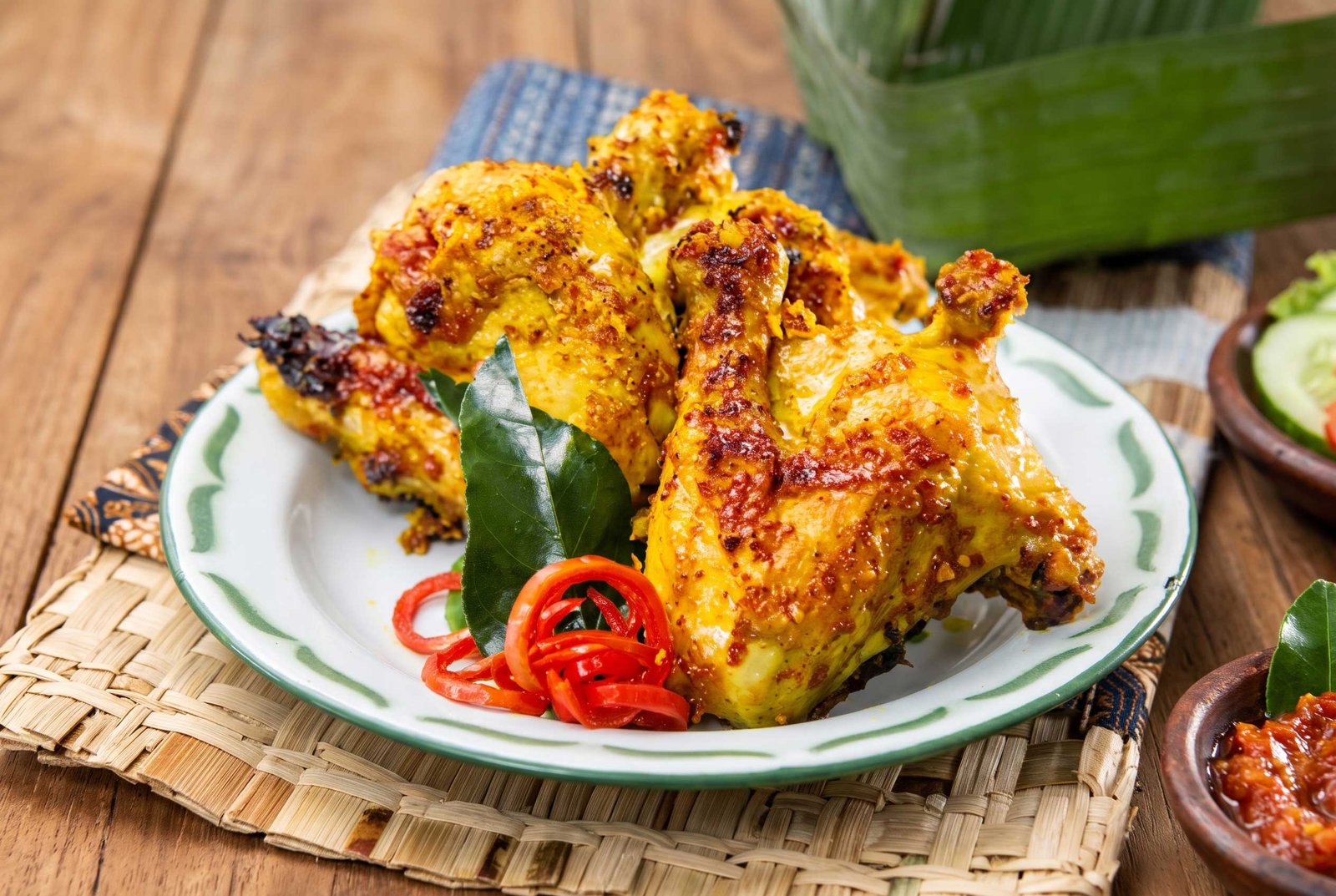
Ayam Bakar Sumbawa is a distinctive Eastern Indonesian dish featuring chicken slow-braised in spiced coconut milk before being grilled over charcoal. Unlike Javanese styles, it relies on warm aromatics like cinnamon, cloves, and fennel to create a savory, smoky, and spice-forward flavor profile that is both rich and approachable for international palates.
Discover the unique flavor profile of Ayam Bakar Sumbawa, a dish that blends warm spices with rich coconut milk for a distinctive Eastern Indonesian experience.
Most travelers and home cooks who fall in love with Indonesian grilled chicken are thinking of Ayam Bakar Kecap—the dark, sticky, sweet-soy-glazed bird popular across Java. Travel east to the island of Sumbawa in West Nusa Tenggara, however, and that familiar sweet glaze disappears entirely. In its place is Ayam Bakar Sumbawa: chicken slow-braised in rich coconut milk infused with warm whole spices—cinnamon, cloves, cumin, and fennel—before being finished over glowing charcoal.
If you have never cooked Eastern Indonesian food before, this dish is one of the most rewarding entry points. Instead of relying on bottled sauces, Ayam Bakar Sumbawa builds its depth from a fragrant spice paste (bumbu halus) and a two-stage coconut milk reduction that turns into a thick, caramelized basting glaze. By the time the chicken hits the grill, the meat is already fork-tender and infused to the bone.
The History and Cultural Roots of Ayam Bakar Sumbawa
To understand why Ayam Bakar Sumbawa tastes so distinct from Javanese or Balinese grilled chicken, you have to look at the geography and trade history of Sumbawa Island. Located east of Lombok and west of Flores, Sumbawa sits directly along the historic maritime spice routes of the Indonesian archipelago.
For centuries, the Sultanate of Sumbawa (established in the 17th century) maintained close political, cultural, and trade ties with the Makassar and Bugis kingdoms of South Sulawesi, as well as Arab, Indian, and Malay traders sailing through the Lesser Sunda Islands. According to Indonesian culinary historians—including the late Bondan Winarno and researchers documented in the Ensiklopedia Kuliner Nusantara—these maritime connections left a permanent fingerprint on Sumbawa’s pantry. While neighboring Lombok is famous for fiery, minimalist chili-and-shrimp-paste dishes like Ayam Taliwang, Sumbawa’s court and coastal cuisine embraced warm, aromatic “dry” spices: cinnamon (kayu manis), cloves (cengkih), cumin (jintan), and fennel seeds (adas manis).
Historically, poultry. It was reserved for communal feasts, Kenduri (thanksgiving ceremonies), weddings, and welcoming honored guests. Braising the chicken in coconut milk before grilling served both a culinary and practical purpose: free-range chickens are lean and muscular, so slow simmering in spiced coconut milk tenderized the meat and prevented it from drying out over open wood-fire embers.
Also check out:
Singgang Sumbawa (Sumbawa Tangy Turmeric & Tamarind Tuna Soup)
Authentic Spiced Coconut Grilled Chicken (Ayam Bakar Sumbawa)
A fragrant, tender Eastern Indonesian grilled chicken slow-braised in two stages of coconut milk with cinnamon, cloves, cumin, fennel, and lemongrass, then finished over charcoal for a smoky, caramelized glaze.
Ingredients
Instruction
- Make the Spice Paste: Place all Bumbu Halus ingredients into a food processor or mortar and pestle. Blend or grind into a smooth, vibrant paste, adding 1–2 tablespoons of water or oil if needed to help the blades move.
- Sauté the Aromatics: Heat 3 tablespoons of cooking oil in a wide wok or heavy-bottomed Dutch oven over medium heat. Add the spice paste along with the cinnamon stick, cloves, torn makrut lime leaves, turmeric leaf, and bruised lemongrass. Sauté for 5–7 minutes, stirring constantly, until the oil separates and the paste smells deeply fragrant and no longer raw.
- Coat the Chicken: Add the chicken quarters to the pan and toss well to coat every piece in the spice paste. Cook for 3–4 minutes until the exterior of the chicken turns opaque.
- First Braise (Thin Coconut Milk): Pour in the 500 ml of thin coconut milk and season with salt. Bring to a gentle simmer, then immediately reduce the heat to low. Cook uncovered, stirring occasionally, for 25–30 minutes until the chicken is tender and the liquid has reduced by half.
- Second Braise (Thick Coconut Milk): Stir in the 100 ml of thick coconut milk. Continue simmering over low heat, stirring frequently to prevent the coconut milk from splitting or scorching, until the sauce thickens into a rich, clinging glaze (about 10–15 minutes).
- Cool Before Grilling: Remove the chicken from the pan and let it cool slightly on a plate. Reserve all the thick spiced coconut paste left in the pan—this is your basting glaze.
- Grill and Baste: Preheat a charcoal grill (or indoor grill pan/broiler) to medium heat. Place the chicken on the grates and grill for 4–5 minutes per side, brushing generously with the reserved spiced coconut glaze every couple of minutes until the skin is golden-brown, slightly blistered, and smoky.
- Serve: Transfer to a serving platter and serve hot with steamed white rice, fresh cucumber and cabbage (lalapan), and your favorite sambal.
Notes
- Don’t Skip the Cooling Step: Letting the braised chicken cool for 10–15 minutes before grilling firms up the skin and helps the thick coconut glaze adhere rather than sliding off onto the grates.
- Make-Ahead Tip: You can complete steps 1 through 6 up to 24 hours in advance. Store the chicken and reserved glaze covered in the refrigerator, bring to room temperature for 20 minutes, and grill right before serving.
- Preventing Split Coconut Milk: Keep the heat low once the coconut milk is added and avoid a rolling boil. Gentle simmering keeps the sauce silky and prevents the oil from separating prematurely.
- Indoor Cooking Option: No grill? Place the braised chicken on a foil-lined baking sheet, brush with glaze, and broil on high for 4–6 minutes per side (watching closely so it doesn’t burn), or air-fry at 200°C (400°F) for 8–10 minutes.
- Candlenut Safety: If using authentic Indonesian candlenuts (kemiri), always dry-toast them for 2 minutes or ensure they are thoroughly cooked in the sautéed spice paste—candlenuts should never be consumed raw.
The Name and Culinary Philosophy
The name Ayam Bakar Sumbawa translates literally to “Sumbawa Grilled Chicken” (ayam = chicken, bakar = grilled/roasted over fire). While the name is straightforward, the dish embodies a core principle of Samawa (indigenous Sumbawa) culinary philosophy: bumbu yang meresap—seasoning that penetrates completely rather than sitting on the surface.
In Sumbawa’s traditional kitchen, patience is treated as an ingredient. You do not rush the spice paste, and you do not boil coconut milk aggressively. First, thin coconut milk (santan encer) gently relaxes the meat fibers and carries the aromatics deep into the chicken. Only then is thick coconut milk (santan kental) added to create a glossy, spiced reduction. Grilling is the final act of transformation, adding smokiness and Maillard caramelization without burning away the delicate herbal notes of lemongrass, turmeric leaf, and makrut lime leaf.
What Does Ayam Bakar Sumbawa Taste Like?
If you are trying to picture the flavor profile before buying your groceries, think of Ayam Bakar Sumbawa as a savory, smoky, spice-forward curry that has been concentrated into a grill glaze.
- Aromatic & Warm: Cinnamon, cloves, cumin, and fennel give the chicken a comforting, slightly sweet-spiced backbone reminiscent of Indian or Middle Eastern spice blends, yet unmistakably Southeast Asian.
- Creamy & Nutty: Toasted candlenuts (kemiri) and two stages of coconut milk coat the palate with a rich, velvety mouthfeel.
- Bright & Herbal: Lemongrass, ginger, galangal, and makrut lime leaves cut right through the richness so the dish never feels heavy.
- Mild-to-Moderate Heat: Using four red chilies provides a gentle, warming hum rather than an overwhelming burn. It is far milder than Lombok’s Ayam Taliwang, making it very approachable for international palates.
- Smoky Finish: Basting the chicken with the thickened coconut spice paste over charcoal or a hot grill creates crisp, blistered edges with a deep, smoky aroma.
How It Is Traditionally Served in Indonesia
In Sumbawa and across West Nusa Tenggara, Ayam Bakar Sumbawa is rarely eaten alone. It is served as the centerpiece of a balanced, textural plate:
- Steamed White Rice (Nasi Putih): Essential for soaking up every drop of the leftover thickened coconut spice glaze.
- Fresh Raw Vegetables (Lalapan): Crisp cucumber slices, cabbage, long beans, and lemon basil (kemangi) provide a cooling, crunchy contrast to the rich, smoky chicken.
- Sambal: A spoonful of Sambal Terasi (shrimp paste chili relish) or Sambal Tomat on the side allows diners to customize the heat level.
- Regional Side Dishes: In traditional Sumbawa households, it is often paired with Plecing Kangkung (blanched water spinach with spicy tomato-lime sambal) or Sepat (a tangy, refreshing Sumbawa soup made with grilled fish, young mango, and starfruit).
When to Serve It
Because the chicken is fully cooked during the braising stage and only needs a quick sear on the grill, Ayam Bakar Sumbawa is an ideal make-ahead dish. It shines at weekend backyard barbecues, dinner parties, holiday gatherings, and family Sunday lunches. You can braise the chicken a day in advance—in fact, resting it overnight in the spiced coconut glaze makes the flavor even deeper.
Can Ayam Bakar Sumbawa Be Adapted Internationally?
Yes. Unlike dishes that depend on hyper-local fermented ingredients with no true equivalents, Ayam Bakar Sumbawa relies on a spice rack that overlaps heavily with Indian, Thai, and Western pantries.
Also check out:
Rujak Cingur Recipe: A Dish with History and Flavor
Even if you live in an apartment without an outdoor charcoal grill, you can achieve fantastic results using a cast-iron grill pan, an oven broiler, or an air fryer (at 400°F / 200°C for 8–10 minutes, basting halfway through). While charcoal adds traditional smokiness, a tiny pinch of smoked paprika or a drop of liquid smoke in the basting sauce can bridge the gap indoors.
Ingredient Substitutions for Western Supermarkets
If you do not have an Asian or Indonesian grocery store nearby, you can still make an authentic-tasting Ayam Bakar Sumbawa using standard supermarket ingredients.
| Authentic Indonesian Ingredient | Role in the Dish | Best Western Supermarket Substitute |
|---|---|---|
| Ayam Kampung (Free-range village chicken) | Firm, flavorful meat | Standard whole chicken (cut into quarters) or bone-in, skin-on chicken thighs/leg quarters. Reduce braising time slightly. |
| Kemiri (Candlenuts) | Creamy texture & nutty richness | Macadamia nuts (1:1 ratio) or raw cashews. Never eat candlenuts raw; macadamias are a seamless swap. |
| Daun Kunyit (Turmeric leaf) | Earthy, floral aroma | Omit if unavailable, or add an extra ½ tsp ground turmeric plus 1 bay leaf for herbal depth. |
| Daun Jeruk (Makrut / Kaffir lime leaves) | Bright, citrusy aroma | 1 tsp freshly grated lime zest (added at the end of braising) + 1 bay leaf. |
| Lengkuas (Galangal) | Piney, citrus-ginger sharpness | Fresh ginger (equal amount) plus a squeeze of lime juice, though fresh/frozen galangal is worth seeking out. |
| Bawang Merah (Indonesian shallots) | Sweet, concentrated onion base | French shallots (2–3 medium) or ½ small red onion. |
| Cabai Merah (Large red chilies) | Mild heat & vibrant color | Fresno chilies, Holland red chilies, or red jalapeños (deseeded for milder heat). |
| Santan Encer & Kental (Thin & thick coconut milk) | Braising liquid & rich glaze | Use 1 can (400 ml) full-fat coconut milk: dilute 200 ml with 300 ml water for the “thin” stage, and reserve 100 ml undiluted from the thick top layer for the final stage. |
| Adas Manis (Fennel seeds) | Sweet, anise-like warmth | Standard fennel seeds (found in any supermarket spice aisle). |
Global Culinary Cousins: Similar Dishes Around the World
Food lovers who have traveled or cooked widely will notice fascinating parallels between Ayam Bakar Sumbawa and other iconic grilled chicken dishes:
- Ayam Percik (Malaysia): Perhaps its closest cousin. Originating from Kelantan and Terengganu, Ayam Percik also features chicken basted in a spiced coconut milk sauce with lemongrass, ginger, and shallots. However, Ayam Percik leans sweeter and tangier (often using tamarind and palm sugar), whereas Ayam Bakar Sumbawa is more savory and warm-spiced thanks to cinnamon, cloves, and fennel.
- Gai Yang (Thailand): Thai grilled chicken shares the lemongrass, garlic, and coriander root DNA, but it is marinated in fish sauce and grilled dry rather than braised in coconut milk.
- Indian Malai / Tandoori Chicken: The use of cumin, cloves, cinnamon, ginger, and garlic mirrors North Indian spice architecture, but where Indian cuisine uses yogurt and ghee for richness, Sumbawa uses coconut milk and candlenuts.
- Jamaican Jerk or African Spiced Grilled Chicken: Both rely on aromatic warming spices (allspice/cloves/cinnamon) paired with chilies and smoke, proving how universally compelling the combination of warm spice and open fire is.
Nutritional Overview, Health Benefits, and Precautions
A single quarter-chicken serving of Ayam Bakar Sumbawa (including the spiced coconut glaze) provides approximately 485 kcal, 36g of protein, 34g of fat, and 8g of carbohydrates.
Key Health Benefits
- Anti-Inflammatory Powerhouse: Fresh turmeric (rich in curcumin), ginger, galangal, and black pepper work synergistically—piperine in black pepper significantly boosts the body’s absorption of curcumin.
- Digestive Support: Cumin, fennel seeds, and coriander have been used in traditional medicine across Asia and the Mediterranean for centuries to aid digestion and reduce bloating.
- High-Quality Protein: Bone-in chicken provides complete protein, B vitamins (especially niacin and B6), and minerals like selenium and phosphorus.
Things to Keep in Mind
- Saturated Fat Content: Coconut milk is rich in saturated fats (primarily lauric acid). While fine as part of a balanced diet, those monitoring cholesterol or saturated fat intake can use light coconut milk for the first braising stage and reduce the amount of final basting glaze.
- Charring & Grilling Safety: Grilling meat at very high temperatures can produce heterocyclic amines (HCAs) if the glaze burns black. Because the chicken is already fully cooked from braising, keep your grill at medium heat and aim for golden-brown caramelization rather than heavy black char.
Estimated Cost Breakdown (Western Supermarket)
Cooking Ayam Bakar Sumbawa at home is surprisingly budget-friendly, especially if you already keep basic dried spices in your pantry. Here is a realistic cost estimate for 4 generous servings in the US/Europe:
- 1 whole chicken (approx. 3–3.5 lbs / 1.5 kg), quartered: $7.50 – $9.50
- 1 can (400 ml) full-fat coconut milk: $2.00 – $2.75
- Fresh aromatics (shallots, garlic, red chilies, ginger, lemongrass, lime): $4.00 – $5.50
- Pantry spices & oil (cinnamon, cloves, cumin, fennel, coriander, pepper, turmeric, macadamia/candlenuts): $2.50 – $3.50 (prorated per recipe)
- Total Estimated Cost: $16.00 – $21.25 (roughly $4.00 – $5.30 per serving).
Frequently Asked Questions
What makes Ayam Bakar Sumbawa different from other grilled chicken?
It uses warm spices like cinnamon and cloves with coconut milk, rather than sweet soy sauce or fiery chili pastes.
Can I make this dish without a charcoal grill?
Yes, you can use a cast-iron grill pan, oven broiler, or air fryer to achieve similar results.
Is Ayam Bakar Sumbawa spicy?
It has a mild-to-moderate heat level, making it approachable for those who prefer less intense spice.