(Pronounced: loom-pee-ah seh-mah-rahng)
When it comes to Asian appetizers that surprise and satisfy, few can match the humble yet extraordinary Lumpia Semarang — an authentic Indonesian snack that combines crisp textures, savory fillings, and a story that spans centuries, cultures, and continents.
Though often compared to spring rolls from China, Vietnam, or the Philippines, Lumpia Semarang is uniquely Indonesian — specifically Javanese — in both flavor and heritage. More than just an Indonesian spring roll, it’s a bamboo shoot egg roll wrapped in romance, resilience, and rich culinary tradition.
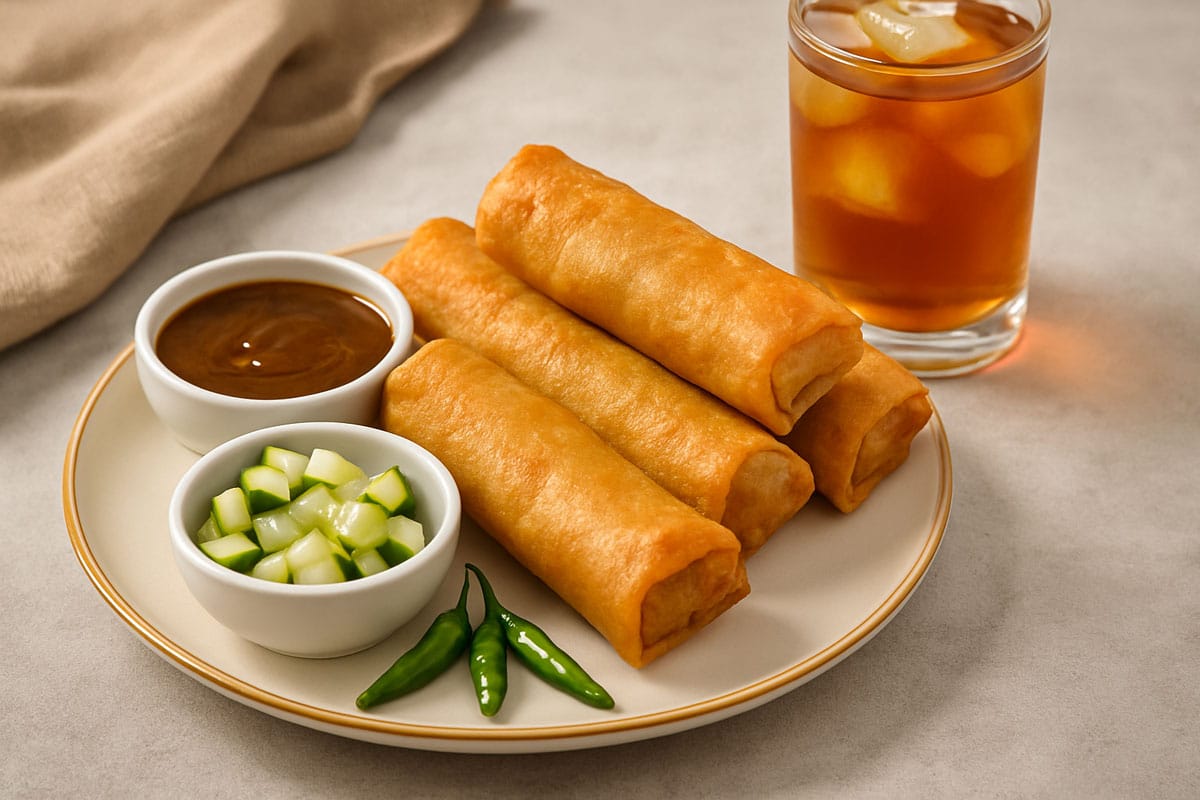
Semarang Spring Rolls (Lumpia Semarang)
Ingredients
Instruction
- In a mixing bowl, whisk together flour, cornstarch, egg, salt, sugar, and water until smooth and pourable (similar to pancake batter).

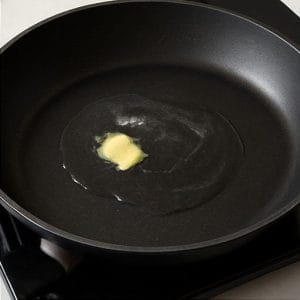
- Heat a non-stick pan over medium-low heat and lightly grease with butter or oil.
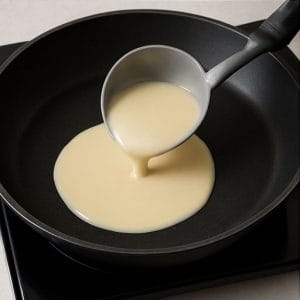
- Pour about ¼ cup of batter into the pan, swirl to coat, and cook for 1–2 minutes until set. No need to flip.
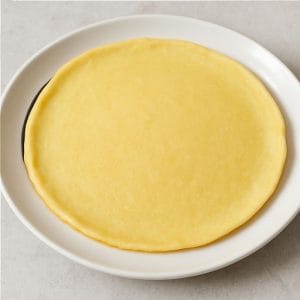
- Transfer to a plate and repeat until all batter is used. Set aside.

- In a pan, heat 1 tbsp oil and sauté garlic and shallots until fragrant.
- Add diced chicken and stir until it changes color.
- Pour in water, then add bamboo shoots, scallions, fish sauce, salt, and pepper. Cook until liquid is mostly absorbed and mixture is dry. Let cool.
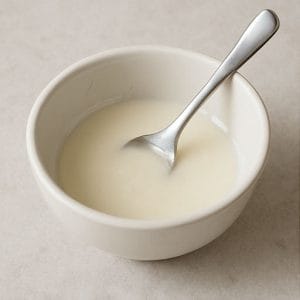
- In a small bowl, mix flour and water to make a paste.
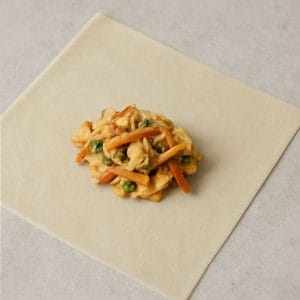
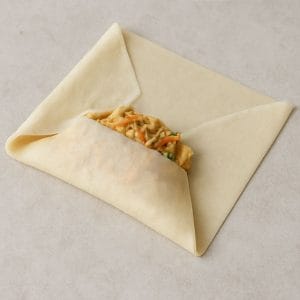
- Lay one wrapper flat, place about 2 tbsp filling near the center.
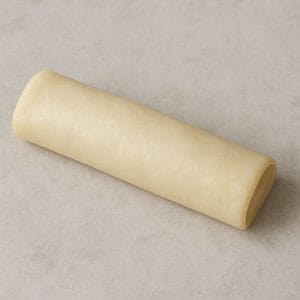
- Fold the sides inward, roll tightly, and seal the edge with flour paste.
- Repeat with remaining wrappers and filling.
- Heat 1–2 inches of oil in a pan over medium heat.
- Fry lumpia in batches until golden brown and crisp. Drain on paper towels.
- In a saucepan, sauté garlic until fragrant.
- Add water and bring to a boil.
- Stir in tauco, sugar, and chili sauce.
- Thicken with cornstarch slurry. Remove from heat.
- Combine all pickle ingredients in a small bowl.
- Let sit for 10–15 minutes before serving.
- Serve hot with tauco sauce on the side, a spoonful of cucumber pickle, and optional fresh bird’s eye chili (or substitute with sliced red chili or jalapeño).
Notes
- Tauco (fermented soybean paste) can be found at Asian grocery stores. If unavailable, substitute with miso paste mixed with a dash of soy sauce, though it won’t be identical.
- Bamboo shoots: Canned or vacuum-packed bamboo shoots work best. Rinse well to remove briny smell before using.
- Fish sauce: Adds umami. You can use soy sauce for a vegetarian version, but it will slightly alter the flavor.
- Crepe consistency: Adjust the water in the wrapper batter until it’s pourable like crepe batter, not too thick or thin.
- To make ahead, wrap the lumpia and refrigerate. Fry just before serving for best crispness.
- This dish is inspired by the fusion of Chinese and Javanese cooking — the bamboo, tauco, and scallions reflect that heritage.
From Semarang With Love: The Birth of a Cultural Hybrid
The story of Lumpia Semarang began in the bustling port city of Semarang, Central Java, where Chinese and Javanese cultures have coexisted for centuries. In the late 19th century, a Chinese immigrant named Tjoa Thay Yoe, originally from Fujian, met and fell in love with a local Javanese woman, Mbak Wasih.
He was selling traditional Chinese food with pork and bamboo shoots. She was offering savory Javanese dishes made with shrimp and potatoes. Their marriage — a union of love and culture — gave birth to this signature Javanese food: the Lumpia Semarang.

Their creation blended Chinese wrapping techniques with Javanese seasonings, resulting in a roll filled with chicken or shrimp, eggs, and most notably, bamboo shoots (rebung) — all wrapped in a soft, thin crepe and fried until perfectly crispy. Pork was omitted to respect the predominantly Muslim community in Java, making the dish more widely accepted and enjoyed.
A Spring Roll Rich in Symbolism
The term “lumpia” originates from the Hokkien dialect — lun or lum meaning “soft,” and pia meaning “cake.” But make no mistake: this is no ordinary snack. In Chinese culture, the spring roll (chun juan) symbolizes prosperity due to its golden, bar-like appearance. It is traditionally eaten during the Lunar New Year, believed to bring wealth and luck.
Lumpia Semarang, while evolved from this tradition, has become something distinct. It reflects a beautiful culinary fusion of Chinese hopefulness and Javanese warmth — a dish that has traveled through time, from colonial Semarang to global appreciation.
A Personal Memory: Street-Side Magic in West Java
Although it originated in Semarang, I first experienced Lumpia Semarang far away — in West Java.
As a child, I often walked home along busy sidewalks where food carts lined the streets. Every now and then, I would spot a rare but glorious cart selling Lumpia Semarang. They were never pre-made. Everything was freshly assembled and fried only after an order was placed — preserving the heat and crunch.
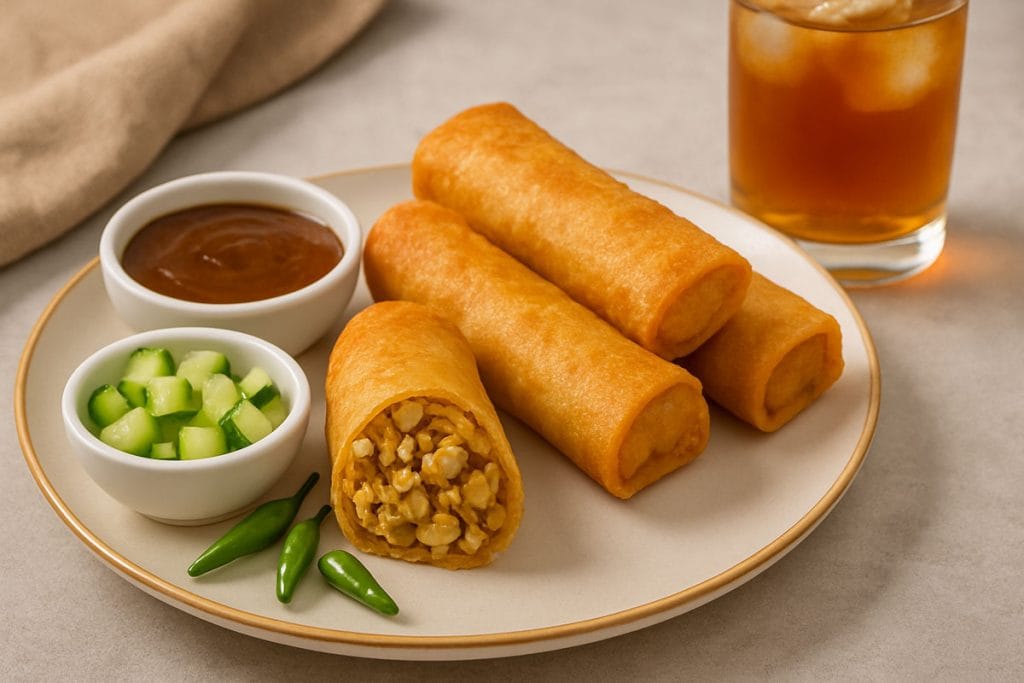
After work hours, people would gather — forming lines that stretched down the sidewalk. The smell of garlic and bamboo shoots being sautéed filled the air, slightly pungent but inviting. The crispy Indonesian spring rolls were then paired with refreshing cucumber pickle (acar) and, most distinctively, tauco sauce — a rich, sweet-savory fermented soybean sauce that’s as bold as the lumpia itself.
This wasn’t just food. It was a culinary experience, a meeting of East and Southeast, of street life and tradition.
Flavor Profile: What Makes Lumpia Semarang Unique?
What sets Lumpia Semarang apart from other Asian appetizers is its unmistakable filling — bamboo shoots. These slender, ivory-colored shoots lend a slightly earthy, nutty, and sometimes sharp aroma when cooked. It’s a love-it-or-leave-it ingredient — but once seasoned and combined with garlic, eggs, and chicken, the taste becomes addictively complex.
The thin wrapper, similar to a crepe, turns golden and crispy when fried, holding the filling tightly with no sogginess. Unlike some spring rolls that lean heavily on cabbage or carrots, this is a bamboo shoot egg roll at heart, and it owns that identity with pride.
Tauco Sauce: The Umami Star
No Lumpia Semarang is complete without tauco sauce — a thick, glossy, sweet-savory condiment made from fermented yellow soybeans. Its flavor is deeply umami, with a salty punch balanced by garlic and sugar.
For Western eaters familiar with hoisin or miso-based sauces, tauco offers something familiar yet daringly bolder. It brings out the best in the lumpia’s filling, especially when complemented by acar — the tangy, pickled cucumber salad that refreshes your palate between bites.
Does It Suit Western Palates?
Absolutely — especially for those who enjoy crispy finger foods with bold flavors.
Western audiences are already accustomed to spring rolls and egg rolls, and Lumpia Semarang fits comfortably in that category. The deep-fried exterior offers instant gratification, while the complex filling provides an elevated experience for those curious about authentic Indonesian snacks.
The bamboo shoots may be unfamiliar, but they’re widely available in Asian markets and can be substituted (if needed) with hearts of palm or shredded jicama. Even so, we recommend giving rebung a chance — it’s what makes Lumpia Semarang… Lumpia Semarang.
Cultural Resilience and Meaning
The history of this dish isn’t just culinary — it’s political and cultural. During Indonesia’s New Order era (1966–1998), Chinese culture was suppressed, yet Lumpia Semarang remained, thriving quietly through assimilation.
By removing pork and adding Javanese flavors, Chinese-Indonesian communities protected their foodways. In doing so, Lumpia Semarang became not just a dish, but a symbol of unity, acceptance, and endurance.

In 2014, it was officially recognized as part of Indonesia’s national culinary heritage, cementing its place not only in history, but also in the future of Indonesian cuisine.
Where to Find or Make It
In Indonesia, the most famous place to try this dish is Gang Lombok No. 11 in Semarang, where descendants of the original creators still run the shop.
Abroad, you can make your own Lumpia Semarang at home with basic pantry staples and a quick trip to an Asian market. Once you’ve gathered the tauco, bamboo shoots, and crepe ingredients, the rest is simple — and deliciously worth it.
Final Thoughts: A Roll That Tells a Story
Lumpia Semarang is more than just a snack. It’s a Javanese food classic, a bamboo shoot egg roll with roots in migration, love, adaptation, and survival. It’s an Asian appetizer that doesn’t just fill your stomach, but connects you to history — and perhaps to a sidewalk in Semarang where steam rises from a hot wok, and people line up for a bite of something truly special.
So next time you’re craving something crispy, bold, and layered with meaning, try Lumpia Semarang — and discover why this authentic Indonesian snack has captured hearts across cultures.