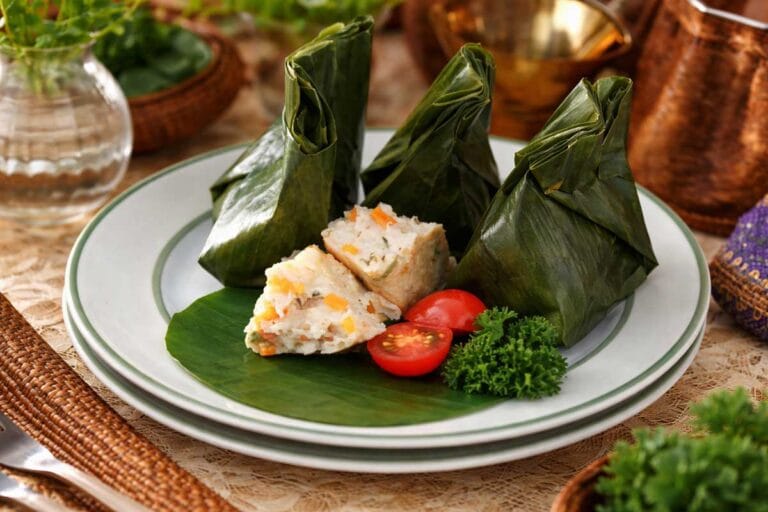
If you love crispy, savory snacks with a touch of sweetness from corn and a burst of umami from shrimp, Telur Udang Jagung—or Shrimp Corn Egg Fritters—might just be your new favorite dish. This humble yet flavorful fritter hails from Indonesia, a country whose culinary identity is built upon layers of spice, texture, and community.
At first glance, these fritters might remind you of something between a savory pancake and a hushpuppy. But behind that golden, crispy surface is a dish rich in culture, history, and regional nuance. It’s one of those foods that tells you where it came from before you even take a bite.

Shrimp Corn Egg Fritters (Telur Udang Jagung)
Ingredients
Instruction
- In a large bowl, combine the ground spice paste: shallots (bawang merah), garlic (bawang putih), ground pepper (merica), and salt (garam). Add the corn, carrot, shrimp, eggs, chopped onion, scallion, flour, and fried shallots. Mix well.
- Heat cooking oil (minyak goreng) in a frying pan over medium heat. Drop about 2–3 tablespoons of batter into the hot oil to form small patties. Fry until golden brown and crispy on both sides. Drain on paper towels.
- Blend the corn (jagung manis pipil) with water (air) until smooth. (You can strain it for a finer texture, if preferred.)
- In a saucepan, sauté the shallots, garlic, and onion (bawang merah, bawang putih, bawang bombay) until fragrant.
- Add the corn purée, ginger (jahe), ketchup (saus tomat), sugar (gula pasir), and salt (garam). Cook over medium heat until the sauce boils and thickens slightly.
- Arrange the fritters on a plate and pour the warm sauce over them. Garnish with extra scallions or fried shallots if desired.
Notes
- Bawang Merah (Shallots): Indonesian shallots are smaller and stronger in flavor. American shallots are larger, so use fewer if substituting.
- Bawang Merah Goreng (Crispy Shallots): Easily found at Asian groceries or online. Adds rich umami crunch.
- Udang (Shrimp): Fresh or frozen medium shrimp are fine. Make sure they’re peeled and deveined.
- Jagung Manis Pipil (Sweet Corn Kernels): Canned, frozen, or fresh kernels all work well.
- Tepung Terigu (All-Purpose Flour): Needed just to bind the batter; avoid overusing or it may get too dense.
What Is Telur Udang Jagung?
Telur Udang Jagung is pronounced : Teh-LOOR OO-dahng JAH-goong, literally translates to egg, shrimp, and corn—and that’s exactly what the dish delivers. These deep-fried fritters combine grated carrots, sweet corn, chopped shrimp, and beaten eggs into a savory batter, bound with a small amount of flour and seasoned with aromatic shallots, garlic, and pepper.
It’s often served with a warm, slightly sweet corn-based sauce made from blended corn, sautéed onions, ginger, and tomato sauce. Together, they make a dish that’s crispy, creamy, salty, and sweet—all in one bite.
The Origins: From Bakwan to Backyard Snacking
In Indonesia, this kind of dish belongs to a broader category known as gorengan, or “fried snacks.” The closest relative to Telur Udang Jagung is the beloved bakwan jagung—corn fritters commonly sold by street vendors across the archipelago. These street-side bakwan are typically made without shrimp, and are priced for accessibility, sometimes costing just a few cents per piece.

Bakwan is the ultimate street food: deep-fried, easy to eat with one hand, and always served hot. You’ll see them stacked in glass-fronted carts by the roadside, next to fried tofu, tempeh, and sometimes fried bananas. They’re eaten in the afternoon as a snack (jajanan sore), paired with a cup of sweet tea or black coffee. Some people eat them for breakfast, or even as a side dish with rice.
While Telur Udang Jagung shares the same DNA as bakwan jagung, it’s a more “elevated” version. The addition of shrimp gives it a luxurious edge, making it perfect not just for street snacking but also for serving at dinner parties or special occasions.
Is It Popular Across Indonesia?
Yes—and no. The concept of fried vegetable fritters exists almost everywhere in Indonesia, from Java to Sumatra to Sulawesi, though they might go by different names or contain different fillings. What sets Telur Udang Jagung apart is the addition of egg and shrimp, which isn’t standard in street bakwan. That combination is more common in homemade versions or in small food stalls that aim for slightly higher quality or creativity.

Still, the comfort factor is universal. Everyone in Indonesia has eaten some form of bakwan at some point in their life. It’s one of those foods that transcends class, region, and age.
How Is It Eaten?
This is where it gets fun. Indonesians typically enjoy fritters like this with a small raw green chili (cabe rawit) on the side. You take a bite of the fritter, then nibble the chili for an extra kick. If you’re not into raw chilies, dipping it in a simple sweet chili sauce or bottled sambal is common too.
Some even eat it alongside rice and vegetables as a side dish, especially during lunch. When served with sauce, as in Telur Udang Jagung, it becomes more than a snack—it becomes a complete dish.
Is It Catching On in the U.S.?
Interestingly, yes. With the growing popularity of Southeast Asian cuisine, Indonesian food is gaining recognition in American cities like New York, Los Angeles, and Portland. Fritters like these often appear on menus under names like “Indonesian Corn Fritters” or “Shrimp Corn Cakes.”
Food bloggers and home cooks are also beginning to explore Indonesian recipes. Dishes like this appeal to American palates because they’re crispy, savory, and familiar—yet still offer an exotic twist through the use of shallots, shrimp, and ginger.

If you enjoy hushpuppies, crab cakes, or even falafel, you’ll likely love Telur Udang Jagung.
Vegan-Friendly Version
For those following a vegan lifestyle, Telur Udang Jagung as traditionally prepared may not be suitable due to the use of eggs and shrimp. However, a delightful vegan version can absolutely be made without compromising on taste or texture.
To replace the shrimp, finely chopped mushrooms, tempeh, or grated tofu make excellent plant-based substitutes, adding both umami and bite. The eggs can be swapped out with a “flax egg” (1 tablespoon ground flaxseed + 2.5 tablespoons water) or a chickpea flour batter to bind the ingredients. You may also use all-purpose vegan egg replacers now commonly available in most U.S. supermarkets.
With these swaps, you can still enjoy the savory, crispy joy of this Indonesian fritter while keeping your dish 100% plant-based. Serve it with your favorite vegan chili sauce or sambal, and a cup of hot tea for a satisfying traditional-meets-modern snack experience.
Nutrition and Ingredients
Despite being fried, these fritters have a relatively balanced nutritional profile when eaten in moderation. Each piece contains a mix of:
- Protein from shrimp and eggs
- Fiber and vitamins A and C from carrots and corn
- Healthy fats from the egg yolks and cooking oil (depending on your choice)
- Antioxidants and antibacterial properties from garlic and ginger
One fritter contains approximately 120–150 calories, making it a reasonable snack or side dish—especially if you pair it with fresh vegetables or a lighter meal.
To make it even healthier, you can shallow-fry in a non-stick pan or use an air fryer, although traditional deep-frying will give the crispiest results.

Are There Similar Foods in Other Countries?
Yes, many cultures have their own version of savory fritters. Some similar dishes include:
- Pakoras from India – deep-fried vegetable fritters with chickpea flour
- Okonomiyaki from Japan – a cabbage pancake often containing seafood
- Corn fritters from the American South – sweet or savory, usually without shrimp
- Acarajé from Brazil – deep-fried black-eyed pea fritters stuffed with shrimp
What makes Telur Udang Jagung unique is its combination of egg, shrimp, and sweet corn in a lightly seasoned batter that’s simple, yet unmistakably Southeast Asian in character.
Bringing Indonesia to Your Kitchen
Making Telur Udang Jagung at home is a great way to experience the heart of Indonesian street food in a cleaner, more controlled setting. It’s easy to prepare, requires basic ingredients, and delivers big flavor. Plus, it’s customizable—you can omit the shrimp for a vegetarian version, or add more spices if you like heat.
Serve it hot with chili sauce or a mild dipping sauce, and you’ve got yourself a crowd-pleaser. Whether as an appetizer, snack, or light lunch, this dish is a gateway to the vibrant world of Indonesian cooking.
So next time you crave something crunchy, savory, and a little different—skip the chips and try frying up a batch of Telur Udang Jagung. Your taste buds will thank you.