Indonesian cuisine is inseparable from its long history, cultural fusion, and the wealth of spices that define each region. One dish that carries a particularly rich story is Masak Sepit, also known as Sepit Daging—a traditional specialty from Jambi, on the eastern side of Sumatra.
It may not be as widely recognized as the famous rendang or gulai from West Sumatra, but Masak Sepit holds a special place in the hearts of Jambi families and Indonesian food lovers. This article explores the origins of Masak Sepit, the cultural roots of Jambi’s cuisine, the influence of Malay and Minangkabau traditions, the defining characteristics of Jambi flavors, and how Masak Sepit evolved into a treasured culinary icon throughout history and today.
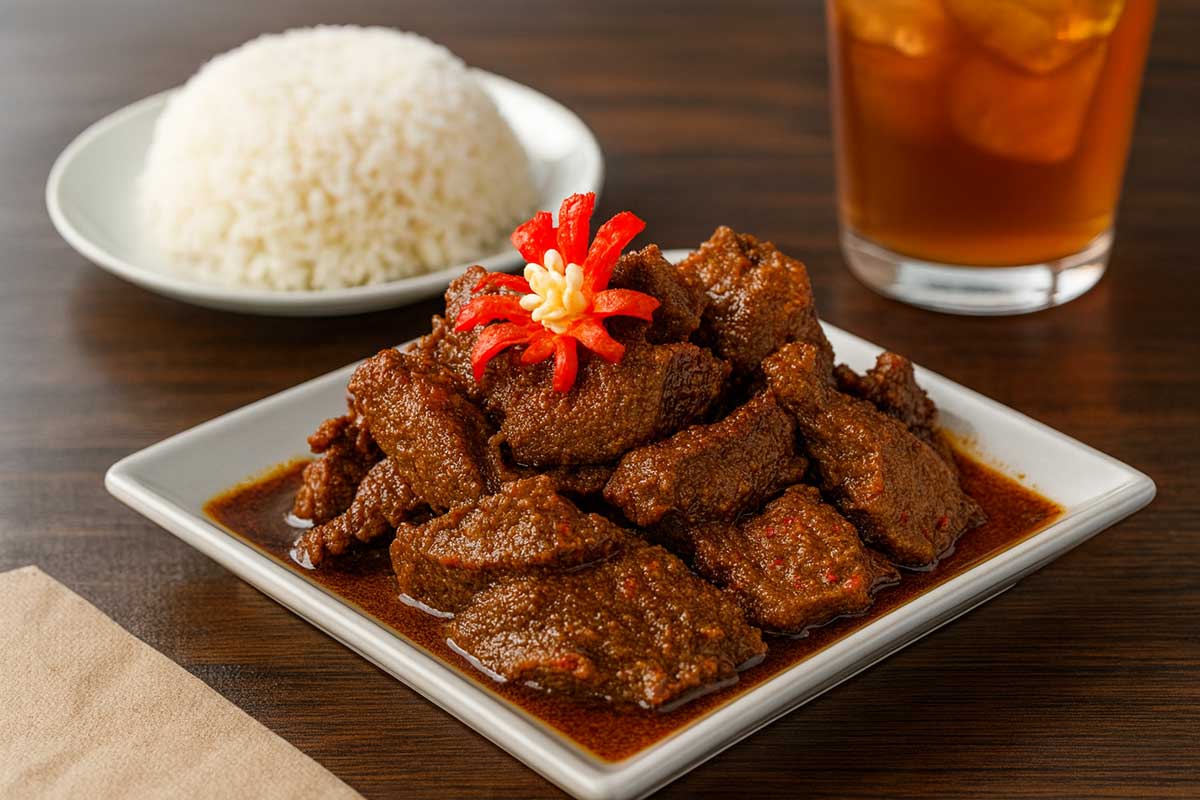
Jambi-Style Spiced Beef (Masak Sepit)
Ingredients
Instruction
Marinate the Beef
Place the thinly sliced beef in a bowl. Add all dry marinade ingredients. Mix well and let rest for 20–30 minutes.Prepare and Sauté the Spice Paste
Blend or process all spice paste ingredients until smooth.Heat the oil in a pot over medium heat, then sauté the spice paste until fragrant and the oil starts to separate (about 5–7 minutes).Add lemongrass, cinnamon, and bay leaves.Add the Beef
Add the marinated beef to the pot. Stir until the beef changes color and absorbs the spices.Add Tamarind
Pour in the tamarind extract (strained). Stir well to combine.Add Coconut Milk
Pour in the coconut milk gradually while stirring. Once it begins to gently simmer, reduce the heat to low to prevent curdling.Simmer Until Tender
Cook uncovered on low heat for 30–60 minutes until the beef is tender and the broth thickens to your liking.Adjust salt, sugar, or acidity as needed.Serve
Serve hot with steamed rice. The broth should be aromatic, rich, and warmly spiced.
Notes
1. Beef Options
Use thinly sliced sirloin, flank steak, or “stir-fry beef strips” sold in U.S. and European supermarkets. Thin slices help the meat cook faster and stay tender.2. Coconut Milk
For authentic flavor, use full-fat canned coconut milk.If lighter broth is preferred, replace ¼ of the coconut milk with water or broth.
3. Spice Substitutions (If Needed)
- Galangal (lengkuas) → Use extra ginger + a pinch of cinnamon (not identical, but acceptable).
- Lemongrass (serai) → Substitute with lemon zest strips.
- Indonesian bay leaf (daun salam) → Omit or use regular bay leaf (milder aroma).
- Chili peppers → Use red Fresno peppers or red bell pepper for mild heat.
4. Tamarind Extract
If asam jawa is unavailable, use:- Tamarind paste (1 tsp diluted in warm water), or
- 1 tsp lime juice as a last-resort substitute.
5. Preventing Coconut Milk from Curdling
- Keep the heat low after coconut milk is added.
- Do not rapidly boil.
- Stir occasionally.
6. Adjusting Spice Level for American/European Palates
Reduce the chili peppers by half or replace with mild red bell pepper.For heat lovers, add 2–4 Thai chilies.
Historical and Cultural Foundations of Jambi Cuisine
Jambi cuisine reflects the long-standing traditions of the Malay people who have inhabited the region since ancient kingdoms. Its strategic location on maritime trade routes—especially during the era of the Sriwijaya Empire—brought merchants, spices, ingredients, and culinary techniques from across the world. These influences shaped the vibrant flavors that Jambi is known for today.
The Batanghari River, the longest river in Sumatra, has always been the lifeline of Jambi society. It provided transportation, economic activity, and abundant freshwater fish such as patin, baung, and gabus. Naturally, Jambi’s culinary heritage features many fish-based dishes, including iconic specialties like Tempoyak Ikan Patin and Gulai Semah.
In addition to fish, Jambi’s fertile land produces an extraordinary variety of spices and aromatic plants—durian, cempedak, galangal, turmeric, ginger, lemongrass, and many others. Combined, these ingredients create Jambi’s signature flavor profile: savory, mildly spicy, slightly sweet, and often brightened with a gentle sourness.
Key Characteristics of Jambi Cuisine
While Sumatra is known for bold and complex flavors, Jambi presents its own distinctive identity.
1. Aromatic and richly spiced, but not overpowering
Compared to the heavier, hotter flavors of Minangkabau cooking, Jambi dishes strike a harmonious balance—still full of spices, but smoother and more refined on the palate.
2. A balance of salty, savory, spicy, and sour notes
Ingredients like tamarind play a key role in shaping the fresh, tangy finish found in many Jambi dishes, including Masak Sepit.
3. Gentle, creamy use of coconut milk
Coconut milk is central to the region’s cooking. Unlike rendang, where the coconut milk is reduced until nearly dry, Jambi dishes retain a creamy broth that feels soft and comforting.
4. Strong influence from Malay traditions
Food is intertwined with cultural values, rituals, and communal practices. This cultural identity shapes how dishes are prepared, served, and shared.
Cultural Influences That Shaped Jambi Cuisine
Jambi cuisine was shaped by centuries of interaction between Indigenous Malay culture and neighboring ethnic groups.
Malay Influence
Signature aromatics—lemongrass, cinnamon, cloves, ginger, turmeric—reflect classical Malay cooking. The principle of harmony, where no single flavor dominates, is deeply embedded in Jambi cuisine.
Minangkabau Influence
Due to geographical proximity, Jambi adopted similar cooking methods such as sautéing spice pastes and slow-simmering coconut milk. However, Jambi flavors tend to be gentler and less spicy than those of West Sumatra.
Indian and Spice Trade Influence
Indian traders introduced spice blends and curry-making techniques. These eventually evolved into local adaptations such as gulai, rendang, semur, and dishes like Masak Sepit.

Traditional Presentation of Jambi Foods
In Jambi Malay culture, food is not merely nourishment—it is symbolic, ceremonial, and deeply social. Many traditional events feature specific dishes linked to cultural rituals.
Examples include:
- Nuak – sharing sticky rice with neighbors when a baby is expected
- Tepung Tawar – traditional blessing ceremonies in coastal communities
- Bubur Asyura – served during the Day of Ashura as a symbol of gratitude
- Nasi Minyak – a festive dish served during religious celebrations
Masak Sepit is commonly prepared for communal occasions, especially during Eid al-Adha when fresh beef is abundant.
Masak Sepit: A Signature Dish of Jambi
Masak Sepit—or Sepit Daging—is a coconut-based beef stew enriched with chili peppers, warm spices (coriander, black pepper, cinnamon, cloves, cumin), and aromatics like shallots, garlic, ginger, galangal, and turmeric. The dish visually resembles a hybrid of gulai, opor, and rendang, but it stands firmly as its own unique creation.
Origin of the Name “Sepit”
In some Malay dialects, sepit refers to sliced or elongated cuts of meat. The name “Masak Sepit” comes from the traditional method of cutting beef into long strips following the direction of the grain.
Cultural Importance
Masak Sepit is typically reserved for important gatherings. The combination of premium beef, rich spices, and slow-cooked coconut milk makes it a dish that symbolizes generosity, hospitality, and celebration.
Masak Sepit, Rendang, and Opor: Similar Yet Distinct
Masak Sepit shares visual and aromatic similarities with several well-known Indonesian dishes, but the differences are significant.
Similar to Rendang, but Lighter
- Rendang is cooked until nearly dry and intensely flavored.
- Masak Sepit retains a creamy broth.
- Rendang is spicier and bolder; Masak Sepit offers a gentler balance with a hint of tamarind.
Similar to Opor, but More Complex
- Javanese opor is mild and light.
- Masak Sepit uses more spices and chili, producing a deeper aroma and color.
Much Easier to Cook than Rendang
Masak Sepit requires only 45–60 minutes of cooking time. Rendang can take up to four hours to achieve its signature dry texture.
Flavor Profile of Masak Sepit
Masak Sepit offers a memorable sensory experience:
- Creamy richness from coconut milk
- A harmonious balance of savory, spicy, and lightly sour notes
- Warm spices like cinnamon, cloves, coriander, and black pepper
- Fresh brightness from ginger, turmeric, and galangal
- A fragrant depth that lingers beautifully
Is Masak Sepit Suitable for American and European Palates?
Absolutely—Masak Sepit is one of the most approachable Indonesian dishes for Western audiences.
Here’s why:
1. Familiar flavor structure
Creamy coconut stew, slow-cooked beef, and warm spices feel similar to Indian curries, Thai coconut soups, or even European-style comfort stews.
2. Moderate heat level
Masak Sepit is typically mild to medium in spiciness, making it accessible for those not accustomed to extremely spicy foods.
3. Ingredients are easy to find
Most key ingredients are readily available in Western grocery stores:
- Coconut milk
- Beef chuck, sirloin, or flank
- Ginger, garlic, cinnamon, cloves
- Chili peppers (or easy substitutes)
Galangal and lemongrass, if not available in mainstream markets, are widely sold in Asian supermarkets.
4. Pairs well with rice or bread
Masak Sepit can be enjoyed with jasmine rice or even crusty bread, sourdough, or boiled potatoes—making it flexible for Western dining habits.
5. Very adaptable
The level of spice or aromatic intensity can be adjusted without losing the dish’s authenticity.
Tips for Western Home Cooks Preparing Masak Sepit
Masak Sepit is highly adaptable for Western kitchens. These practical adjustments ensure you can recreate the authentic flavors of Jambi using ingredients commonly found in the US, UK, Europe, Australia, and other Western regions.
1. Choose the Best Beef Cuts for Slow Simmering
Masak Sepit depends on slow cooking to make the beef tender and flavorful. The following cuts work beautifully in Western markets:
- Beef chuck roast
Rich in connective tissue that melts into a silky texture when simmered. - Sirloin tips
Lean but tender; cooks quickly and absorbs spices well. - Flank steak
Ideal when sliced against the grain, mimicking the traditional “sepit” cut. - Pre-sliced stir-fry beef
A convenient option that reduces prep time and becomes tender faster.
Avoid: extremely lean cuts like top round, which can become tough during simmering.
2. Substitutes for Galangal (If Hard to Find)
Galangal gives a peppery, citrusy aroma that is iconic to Southeast Asian cooking. If unavailable:
- Use extra fresh ginger (slightly more than the original amount)
- Add a small amount of lemon zest to mimic galangal’s bright, sharp aroma
This combination doesn’t duplicate galangal perfectly but comes surprisingly close and keeps the dish aromatic.
If you live near an Asian grocery store, look for:

- frozen galangal
- pre-sliced galangal
- galangal paste (a workable emergency option)
3. Always Use Full-Fat Coconut Milk
Full-fat coconut milk provides:
- the rich, creamy base Masak Sepit is known for
- stability during simmering
- a smoother, velvety finish
Avoid “lite” coconut milk commonly sold in the West.
Lite versions contain added water and stabilizers, making the broth:
- thin
- prone to splitting
- lacking depth
Choose canned full-fat coconut milk, and shake well before opening to mix the cream and liquid.
4. Adjust the Heat Level to Your Comfort
Masak Sepit is naturally medium-spiced, but Western cooks can easily tailor the heat:
- For a mild version:
Replace chili peppers with red bell peppers. This retains color and sweetness without heat. - For a medium version:
Use fresh Fresno peppers or mild red chilies. - For a spicy version:
Add Thai red chilies, cayenne pepper, or crushed red pepper flakes.
This flexibility makes the dish perfect for households with varied spice tolerances.
5. Use a Heavy-Bottomed Pot for Best Results
A steady, even heat source is crucial when cooking with coconut milk.
The best pots for Masak Sepit are:
- Dutch oven (cast iron)
Ideal for slow simmering and maintaining heat. - Enameled cast-iron pot
Prevents scorching and keeps the coconut milk smooth. - Stainless steel heavy-bottomed pot
A good alternative if cast iron isn’t available.
Avoid thin aluminum pots that heat unevenly—they often cause the coconut milk to curdle or burn.
6. Tamarind Substitutes for Western Markets
Tamarind gives Masak Sepit its signature gentle sourness. If you can’t find whole tamarind pods:
- Use tamarind paste (widely available in Indian and Thai grocery stores)
→ 1 tsp paste ≈ 1–2 tsp of soaked tamarind pulp.
In an emergency, you can replace tamarind with:
- 1–2 teaspoons lemon juice
- + a pinch of brown sugar
This combination mimics tamarind’s sweet-sour profile fairly well, especially in coconut-based dishes.
Traditional Cooking Tips from Jambi
These traditional techniques are widely used in Jambi home kitchens and are essential for bringing out the true flavor and texture of Masak Sepit. If you want your dish to taste as close as possible to how it’s made in Jambi, these steps make a big difference.
1. Choose the Right Cut of Beef
Jambi cooks typically use beef that becomes tender when simmered slowly. Lean but tender cuts create the best texture for Masak Sepit, because the dish relies on slow cooking in coconut milk rather than high-heat searing.
Recommended cuts (traditional equivalents explained):
- Has dalam / tenderloin → very tender, cooks quickly
- Sengkel / shank → becomes soft and flavorful after simmering
- Sandung lamur / brisket → rich in collagen, adds body to the broth
- Daging iga / rib meat → naturally juicy and aromatic
The goal is to choose beef that turns soft, juicy, and easy to bite after 45–60 minutes of gentle cooking.
2. Use Medium-Aged Coconut Milk (Santan Sedang)
In Jambi, cooks differentiate coconut milk by maturity.
- Young coconut milk is thin, watery, and mild—too weak for Masak Sepit.
- Very old coconut milk is ultra-rich but breaks (curdles) easily when heated.
Medium-aged coconut milk is ideal because:
- it delivers a deep, creamy flavor,
- it withstands simmering without splitting,
- it blends well with spices and beef fat,
- it creates the signature silky broth.
If using canned coconut milk in the West:
Choose full-fat coconut milk and mix thoroughly before pouring. Avoid “lite” versions, which lack body and can curdle faster.
3. Wrap the Beef in Papaya Leaf (Optional but Authentic)
This is an old Jambi tenderizing technique that Western readers may find fascinating.
Papaya leaves contain papain, a natural enzyme that breaks down muscle fibers in beef.
How to use it:
- Clean the papaya leaf.
- Wrap the beef pieces completely.
- Let them rest for 20–30 minutes before cooking.
- Rinse lightly to remove any bitterness.
Benefits:
- Speeds up tenderizing, especially for tougher cuts.
- Helps the meat stay juicy even after simmering.
- Reduces cooking time without pressure cookers.
It’s optional, but very authentic to Jambi’s cooking traditions.
4. Sauté the Spice Paste Thoroughly (“Tumis Hingga Tanak”)
This step is absolutely crucial in Indonesian cooking.

The spice paste (bumbu halus)—made of shallots, garlic, chili, turmeric, ginger, galangal, and spices—must be sautéed until it reaches the stage known as tanak, where:
- the paste thickens,
- the color deepens,
- the aroma becomes bold and fragrant,
- the oil begins to separate from the spices.
This transformation unlocks the full flavor of the spices and ensures the broth has depth, richness, and complexity.
Skipping this step results in a flat-tasting Masak Sepit.
5. Stir the Coconut Milk Gently and Simmer on Low Heat
Coconut milk is delicate. Too much heat will cause it to split, creating a grainy or oily texture. Jambi cooks treat coconut milk with patience.
Traditional guidelines:
- Add coconut milk after the beef has been sautéed with the spices.
- Reduce the heat as soon as the coconut milk is added.
- Stir the pot gently and continuously for the first few minutes.
- Maintain a gentle simmer, never a rolling boil.
This creates the velvety, creamy broth that Masak Sepit is known for.
Bonus Tip: Balance the Acid and Spice
Because Masak Sepit uses tamarind, the acidity must be balanced:
- Too much acidity → the broth becomes sharp.
- Too little → the dish tastes heavy.
Aim for a gentle, refreshing sourness that cuts through the richness of the coconut milk—one of the signature traits of Jambi cuisine.
Nutritional Profile Based on This Recipe
On average, one serving contains:
- Calories: 350–420 kcal
- Protein: 18–22 g
- Fat: 25–30 g
- Carbohydrates: Low
- Micronutrients: antioxidants from turmeric, ginger, and shallots
- Healthy fats from coconut milk (lauric acid)
Masak Sepit is satisfying, nutrient-dense, and ideal as a hearty main dish.
Why You Should Try Masak Sepit
Masak Sepit is more than a delicious beef stew—it represents the history, identity, and culinary wisdom of the Jambi Malay community.
It’s perfect for anyone curious about Indonesian cuisine, fans of coconut-based stews, or home cooks seeking something comforting and new yet incredibly accessible.
The warm spices make it a wonderful dish for family dinners, special occasions, or cozy winter evenings.
Try It and Share Your Experience!
If you’ve never made Masak Sepit, this is your sign to try it.
You may discover a new favorite that bridges the warmth of Indonesian hospitality with flavors familiar to Western comfort food. Share your cooking experience, introduce the dish to friends and family, and help keep the culinary heritage of Jambi alive through your kitchen.