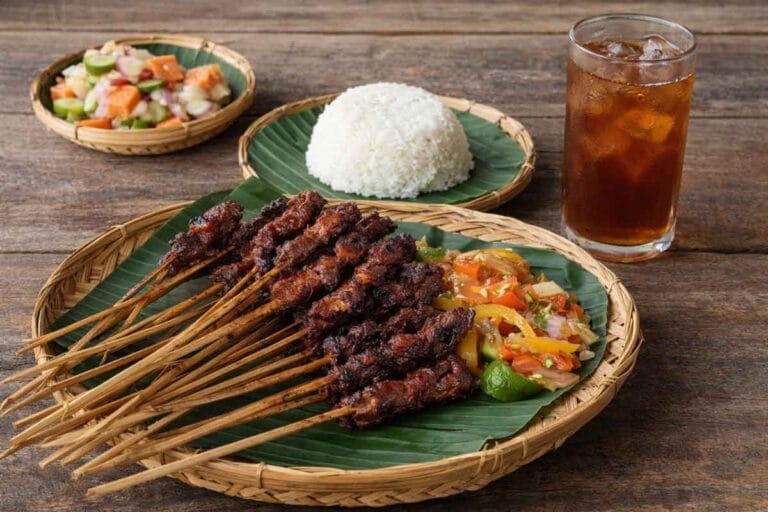
Grilled chicken is one of the most recognizable—and most beloved—dishes in Indonesian cuisine. Nearly every region across the archipelago has its own version, shaped by local spices, cooking techniques, and culinary philosophy. From humble roadside stalls to traditional family kitchens, the aroma of chicken sizzling over hot coals is instantly familiar and deeply comforting.
Yet behind its apparent simplicity, Indonesian grilled chicken carries a long history, layered cultural influences, and rich local wisdom. One compelling example is Ayam Bakar Sapit, a traditional dish from Palembang that reminds us this historic city is known for far more than pempek alone. It is also home to a distinctive coconut-based grilling tradition that deserves wider recognition.
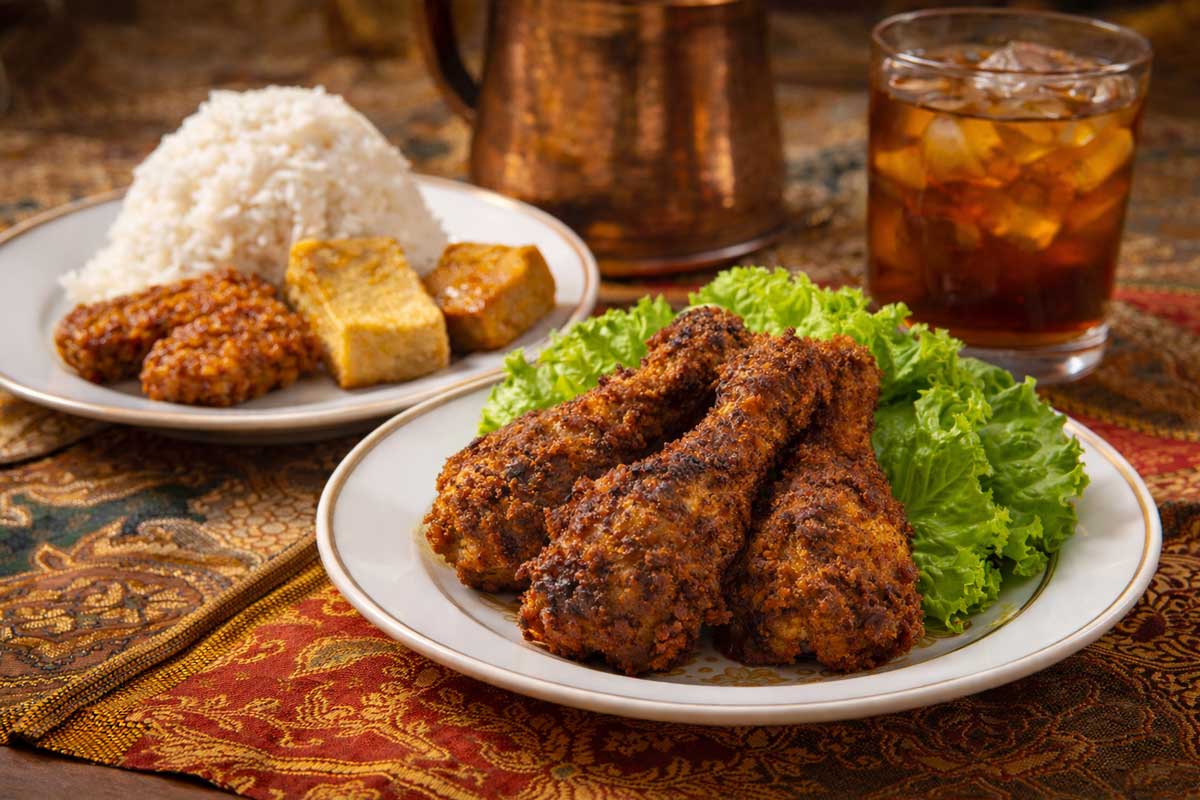
Grilled Coconut Chicken (Ayam Bakar Sapit)
Ingredients
Instruction
- Place the chicken pieces in a wide pan or Dutch oven. Pour in the thin coconut milk and cook over medium heat until the chicken turns opaque and is about halfway cooked. Keep the heat gentle to prevent the coconut milk from boiling aggressively.
- Add the blended spice paste (and kaffir lime leaves, if using). Stir gently to coat the chicken evenly. Pour in the thick coconut milk, reduce the heat to low, and simmer uncovered.
- Cook slowly, stirring occasionally, until the coconut milk reduces significantly and releases its natural oil. The sauce should look thick, glossy, and aromatic—not watery.
- Add the toasted grated coconut and optional palm sugar. Stir well until the mixture becomes dry and clings tightly to the chicken. Taste and adjust seasoning if needed.
- Remove the chicken from the pan. Press each piece between two bamboo skewers or secure with metal skewers.
- Grill over medium heat (outdoor grill, grill pan, or oven broiler) until lightly charred and fragrant, about 2–3 minutes per side. Brush with any remaining coconut mixture for extra flavor.
- Serve hot with steamed rice and a simple chili sambal or fresh salad.
Notes
- Coconut Milk: Always use full-fat canned coconut milk for best flavor and texture. Shake the can well before opening.
- Toasted Coconut: If using desiccated coconut, toast it gently in a dry skillet until lightly golden and fragrant—do not brown it too much.
- Shrimp Paste (Terasi): This adds depth but can be substituted with fish sauce if unavailable. The flavor mellows significantly during cooking.
- No Grill? Use a grill pan, cast-iron skillet, or oven broiler set to high.
- Make Ahead: The chicken can be fully cooked and coated in coconut up to one day ahead. Grill just before serving.
- Flavor Profile: Savory, gently spiced, rich but not spicy-hot—very approachable for Western palates.
Grilled Chicken in the Culinary History of Indonesia
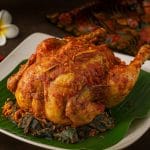
Cooking over fire is one of humanity’s oldest culinary techniques. Long before frying pans or cooking pots existed, fire was the primary tool for preparing food. Across the Indonesian archipelago and the wider Maritime Southeast Asia region, grilling evolved alongside the abundance of spices and coconuts that define local food cultures.
Chicken, being widely available and quick to cook, naturally became a favorite protein for grilling. Over time, grilling in Indonesia developed into a layered process rather than a simple act of roasting meat over flames. Chicken is often marinated, simmered in spices, or cooked in coconut milk before it ever touches the grill.
This is what sets Indonesian grilled chicken apart from Western-style grilled chicken. Instead of dry rubs or simple seasoning, Indonesian ayam bakar almost always involves wet spice pastes, aromatic herbs, and gradual cooking techniques designed to allow flavors to penetrate deeply into the meat.
Does Every Region Have Its Own Ayam Bakar?
In practice, yes. Almost every region in Indonesia boasts its own version of ayam bakar, each reflecting local ingredients and cultural preferences.
Some well-known regional variations include:
- Ayam Bakar Taliwang from Lombok, famous for its fiery heat and bold chili-forward flavor.
- Ayam Bakar Padang, cooked with rich coconut-based spices and reduced until deeply savory and slightly oily.
- Ayam Bakar Kalasan from Yogyakarta, known for its sweet-savory profile enhanced with palm sugar.
- Ayam Bakar Banjar, aromatic and spice-rich, influenced by Malay and Middle Eastern culinary traditions.
- Ayam Bakar Rica-Rica from Manado, featuring fresh herbs and sharp, vibrant heat.
Among these variations, Ayam Bakar Sapit stands out for its distinctive grilling technique and the use of toasted coconut as a key component of its seasoning.
Palembang: More Than Just Pempek
Mention Palembang, and most people immediately think of pempek. While deservedly famous, pempek represents only a small part of Palembang’s culinary identity. Historically, Palembang was a center of Malay civilization and an important trading hub in South Sumatra. This legacy is reflected in its cuisine, which is rich in coconut milk, spices, and traditional cooking methods.
Ayam Bakar Sapit is one dish that embodies this heritage. Despite its depth of flavor and unique preparation, it remains relatively unknown outside its home region—an oversight considering how distinctive and satisfying the dish truly is.
The Origins of Ayam Bakar Sapit
Ayam Bakar Sapit is a traditional specialty of Palembang, South Sumatra. The word sapit refers to the method used to cook the chicken: the pieces are pressed between split bamboo slats before being grilled over charcoal.
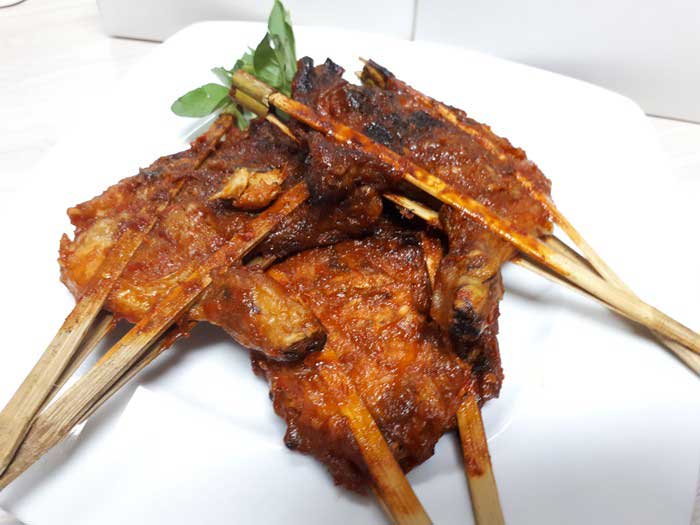
This technique is not merely symbolic or decorative. Using bamboo clamps helps keep the chicken intact, ensures even cooking, and prevents the richly seasoned coating from falling away during grilling. Bamboo, commonly used in traditional Malay kitchens, is heat-resistant, widely available, and neutral in flavor.
Clamping the chicken also allows it to cook slowly over moderate heat, giving the smoky aroma time to blend seamlessly with the coconut-based spices. While there is no precise written record of when Ayam Bakar Sapit first appeared, it is widely regarded as part of the broader Maritime Southeast Asian culinary heritage—where grilling, coconut milk, and aromatic spices form the foundation of flavor.
What Makes Ayam Bakar Sapit Unique
What truly distinguishes Ayam Bakar Sapit from other grilled chicken dishes is its multi-stage cooking process. The chicken is not grilled right away. Instead, it is first simmered gently in coconut milk and spices until the flavors are absorbed and the sauce releases its natural oil.
Only after this process is complete is the chicken clamped between bamboo and grilled over charcoal. The seasoning typically includes shallots, garlic, chilies, coriander, cumin, shrimp paste, and thick coconut milk. Some versions also incorporate candlenuts and aromatic leaves.
The result is chicken coated in a dry-yet-moist layer of spiced coconut, fragrant with smoke, deeply savory, and exceptionally satisfying when served with hot steamed rice.
Similar clamping and grilling techniques can be found in neighboring regions of South Sumatra and along Malay coastal communities, though the names and spice blends may vary. This points to a shared culinary exchange shaped by geography and tradition.
Traditional Serving Style
In Palembang, Ayam Bakar Sapit is traditionally served simply: hot steamed rice, freshly grilled chicken, and modest side dishes such as fried tofu, fried tempeh, or fresh vegetables. This understated presentation allows the flavor of the chicken and its seasoning to take center stage.
Rather than a ceremonial feast dish, Ayam Bakar Sapit is a food of togetherness—often cooked outdoors over charcoal, meant to be shared and enjoyed communally.
Can Ayam Bakar Sapit Travel to Western Kitchens?
Absolutely—with a few thoughtful adaptations and the right approach. For Western home cooks, the challenges are less about technique and more about understanding ingredients and how they behave during cooking. Below is a practical guide to making Ayam Bakar Sapit accessible without sacrificing its authentic character.
Ingredient Substitutions & Practical Tips
- Shrimp Paste (Terasi)
- Why it matters: Shrimp paste provides depth, umami, and a subtle fermented complexity that defines many Indonesian grilled dishes.
- Substitutes:
- Fish sauce (½ teaspoon) for savory depth
- Anchovy paste (¼ teaspoon) for a closer fermented note
- Tip: Any strong aroma mellows significantly once cooked in coconut milk, so don’t be discouraged by the raw smell.
- Fresh Grated Coconut (Kelapa Muda Parut)
- Why it matters: Fresh coconut absorbs spices and helps form the signature dry-yet-moist coating on the chicken.
- Substitutes:
- Unsweetened desiccated coconut (finely shredded)
- How to use:
- Toast gently in a dry skillet over low heat until fragrant
- Avoid browning too deeply, as this can introduce bitterness
- Coconut Milk Reduction (“Until Oil Separates”)
- Why it matters: This step creates richness without added oil and prevents the dish from tasting flat.
- Tip for Western cooks:
- Use full-fat canned coconut milk only
- Simmer uncovered over low heat
- Stir occasionally and be patient—the oil separation is gradual, not sudden
- Visual cue: The sauce thickens, looks glossy, and leaves streaks of oil on the pan
Grilling Methods & Heat Control
- Outdoor Grill
- Best option for achieving smoky aroma
- Use medium heat and grill briefly, as the chicken is already cooked
- Grill Pan (Stovetop)
- Ideal for apartments and indoor kitchens
- Preheat well and lightly oil the surface to prevent sticking
- Oven Broiler
- Most accessible option in Western kitchens
- Place chicken 6–8 inches from the heat source
- Broil briefly, turning once, to avoid drying out the meat
- General Tip:
Ayam Bakar Sapit is finished on the grill, not cooked from raw. The goal is aroma and light caramelization, not prolonged exposure to high heat.
Flavor Balance & Adaptation Tips
- Spice Level
- The dish is naturally mild to medium in heat
- Adjust chilies easily without altering the character of the dish
- Sweetness
- A small amount of palm sugar (or light brown sugar) balances coconut richness
- Avoid over-sweetening, which can mask the savory depth
- Make-Ahead Friendly
- The chicken can be fully cooked in coconut and spices a day ahead
- Grill just before serving for the best texture and aroma
Final Thought for Western Home Cooks
Ayam Bakar Sapit may sound unfamiliar, but its flavors are deeply approachable. Think of it as a Southeast Asian take on braised-then-grilled chicken, where coconut milk replaces butter or cream, and spices take the role of marinades.
With a bit of patience and these substitutions, this Palembang classic translates beautifully to American and European kitchens—without losing its soul.

Nutritional Value and Flavor Profile
Ayam Bakar Sapit is rich in protein from the chicken and healthy fats from coconut milk, complemented by aromatic compounds from spices. Compared to deep-fried chicken, it is relatively lighter, as no additional oil is required. The flavor is savory, gently smoky, mildly spiced, and well-suited to international palates.
Serving Ideas for Western Audiences
For American and European tables, Ayam Bakar Sapit can be presented as:
- Grilled coconut chicken served with plain rice or coconut rice
- Paired with a fresh salad or lightly pickled vegetables
- A standout main dish for Southeast Asian–inspired barbecues
This approach preserves its authenticity while making it accessible and relevant to modern Western dining.
Preserving Tradition, Sharing with the World
Ayam Bakar Sapit is a reminder that Palembang’s culinary story extends far beyond pempek. Beneath its simplicity lies a thoughtful cooking technique, a deep respect for ingredients, and a cultural legacy worth sharing.
Cooking Ayam Bakar Sapit at home is not just about preparing grilled chicken—it is about reviving a piece of Indonesia’s culinary heritage. And when that heritage finds its way into new kitchens around the world, it continues to live, evolve, and inspire.