If you love bold flavors, smoky aroma, and food with a story deeper than its spices, then Ayam Taliwang belongs on your culinary bucket list. Known as one of Indonesia’s most iconic grilled chicken dishes, Ayam Taliwang delivers a fiery blend of chilies, garlic, shrimp paste, and traditional herbs that awaken every corner of your palate. But beyond the heat, there lies a remarkable history—one involving ancient kingdoms, wartime diplomacy, cultural fusion, and centuries of tradition.
For Western readers who may be discovering this dish for the first time, consider Ayam Taliwang the Southeast Asian counterpart to spicy barbecue chicken—except richer, hotter, and layered with flavors that reflect the heritage of the island of Lombok. In this article, we’ll explore what Ayam Taliwang is, why it matters, and why it continues to captivate food lovers around the world.
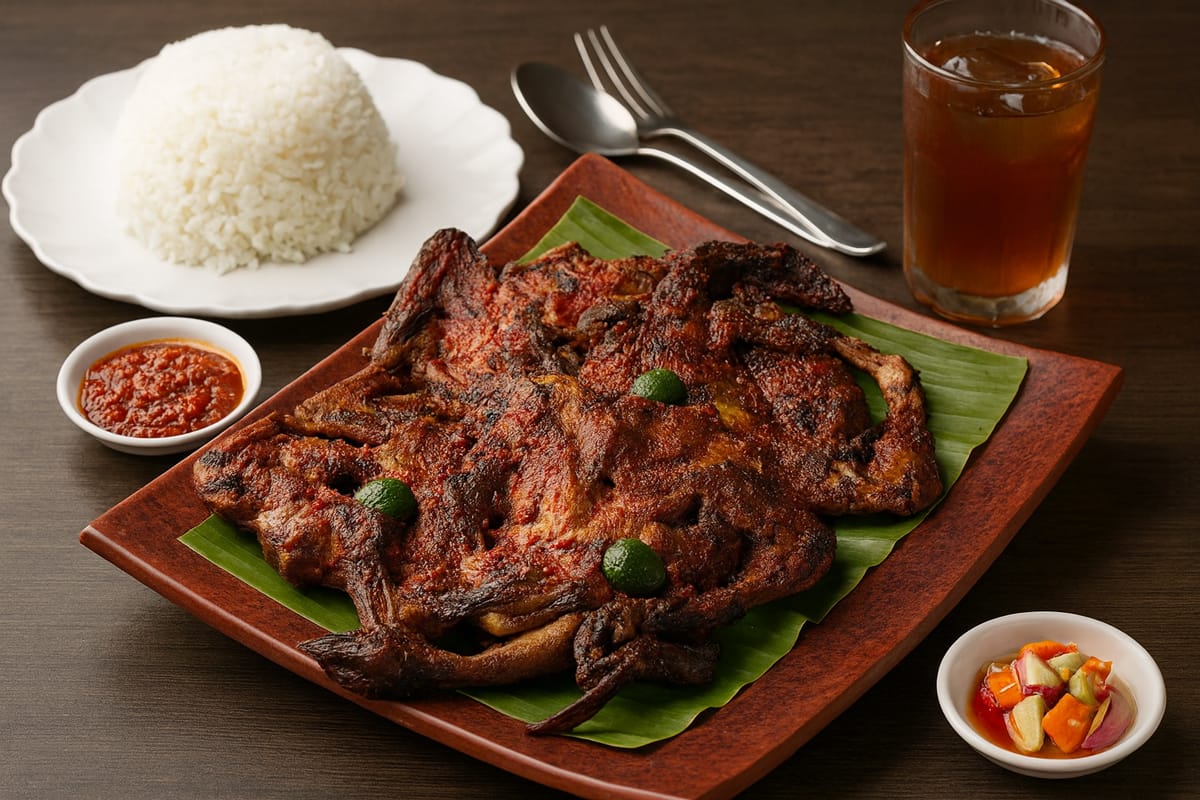
Spicy Lombok Grilled Chicken (Ayam Bakar Taliwang)
Ingredients
Instruction
- Place the chicken breast-side down. Cut along the backbone and open it flat (spatchcock technique).
- Press gently to flatten the breastbone.
- Rub the chicken with lime juice and 1 tsp salt. Let rest for 10 minutes.
- Blend all spice paste ingredients until smooth.
- Heat vegetable oil in a skillet over medium heat.
- Sauté the blended paste for 7–10 minutes until fragrant and the oil separates.
- Add ¼ cup water and cook until thickened.
- Set aside to cool.
- Preheat an outdoor grill or grill pan.
- Grill the chicken skin-side down for 10–15 minutes, just until the meat firms up and the skin tightens. (This step helps the spice paste stick better.)
- Brush a generous layer of the cooked spice paste over the chicken.
- Let it marinate for 20–30 minutes for deeper flavor.
- Return the chicken to the grill over medium heat.
- Grill for 20–30 minutes, brushing with more spice paste as you cook.
- Flip occasionally until the chicken turns deep red-brown and slightly charred at the edges.
- (Helps ensure thorough cooking for larger chickens.)
- Transfer chicken to a baking pan. Brush with more paste.
- Bake at 400°F / 200°C for 20 minutes.
- Squeeze key lime over the top.
- Serve with steamed rice and Indonesian sambal.
Notes
OR ½ tsp sand ginger (kaempferia galanga), if you find it in an Asian market 3. Shrimp Paste Indonesian terasi is very aromatic.
Substitutes accepted in the West: Thai kapi Malaysian belacan
Toast it briefly in a pan for best flavor. 4. Chicken Choice Best: free-range young chicken or Cornish hen Regular American supermarket chicken works but may take longer to cook. 5. Grill Type This recipe works with: Charcoal grill (most authentic smoky taste) Gas grill Grill pan + oven (easiest for apartment kitchens) 6. Heat Level Ayam Bakar Taliwang is naturally very spicy, but you can reduce: Thai chilies from 5 → 2 Dried chilies from 5 → 2
What Is Ayam Taliwang?
Ayam Taliwang is a traditional Indonesian grilled chicken originating from Lombok, an island east of Bali. The dish features whole young free-range chicken (ayam kampung muda) seasoned with a vibrant spice paste made of red chilies, shallots, garlic, tomatoes, toasted shrimp paste (terasi), palm sugar, and a unique aromatic rhizome called kencur.
The flavor profile is unmistakable:
- Spicy and electric
- Smoky from the charcoal grilling
- Savory-umami thanks to fermented shrimp paste
- Aromatic and earthy from kencur
- Slightly sweet to balance the heat
In Lombok, Ayam Taliwang is almost always served with:
- Plecing kangkung — a spicy water spinach salad
- Beberuk — a raw eggplant and tomato sambal
- Steamed rice and lime for squeezing over the grilled chicken
The result is a complete sensory experience: spicy, smoky, refreshing, tangy, and absolutely unforgettable.
The Dramatic History Behind Ayam Taliwang
One of the most fascinating aspects of Ayam Taliwang is its origin story—rich, dramatic, and surprisingly political. Its history dates back to the 17th century, during the era of Indonesian kingdoms.

A Dish Born in the Middle of Conflict
Around 1630, two regional powers were locked in conflict:
- The Selaparang Kingdom of Lombok
- The Karangasem Kingdom of Bali
To support Selaparang, the Taliwang Kingdom from the neighboring island of Sumbawa sent troops to Lombok. But these weren’t only soldiers—they were accompanied by religious leaders, horse caretakers, and importantly, royal cooks.
These cooks carried culinary traditions from Taliwang, bringing with them knowledge of spicy grilled chicken seasoned with simple yet powerful ingredients: chilies, garlic, shallots, and fermented shrimp paste.
Diplomacy Through Food
During their stay, the Taliwang emissaries attempted to convince the King of Karangasem to end the war. As part of their diplomatic approach, the royal cooks prepared a fiery grilled chicken dish for him. To everyone’s surprise, the king loved it.
This food—simple yet full of character—softened hostility and played an unexpected role in easing tensions.
In this sense, Ayam Taliwang became a form of culinary diplomacy, a bridge between warring kingdoms.
According to a study published in The Sages Journal: Culinary Science and Business, Ayam Taliwang is defined not only by its fiery chili paste but also by its historical role as a diplomatic dish that reflects the cultural exchange between the Taliwang settlers and the Sasak people.
Cultural Blending in Karang Taliwang
The Taliwang settlers eventually established a community in Lombok, in an area now known as Karang Taliwang. Over time, their cooking traditions blended with the Sasak people’s love for intensely spicy food.
Before it was Ayam Taliwang, the dish existed as Ayam Pelalah, a shredded, chili-rich chicken dish beloved by the Sasak community. As techniques evolved and grilling became central, the modern version of Ayam Taliwang emerged—fiery, rustic, and deeply tied to local identity.
From Village Kitchens to Nationwide Fame
Ayam Taliwang may have been born in royal kitchens, but its rise to national recognition began in the 1960s.
A woman named Nini Manawiyah began selling Ayam Pelalah and Ayam Taliwang from her home and local market in Karang Taliwang. Her flavorful cooking attracted visitors from across the region, including prominent national figures. Her success inspired others to open similar food stalls.
By the 1980s, Ayam Taliwang restaurants began to appear across Lombok. Soon after, the dish spread across Indonesia—from Jakarta and Bandung to Surabaya and Bali. Today, Ayam Taliwang is recognized as a culinary heritage of the Sasak community and is celebrated nationwide.
What Makes Ayam Taliwang Different From Other Grilled Chicken?
Ayam Taliwang stands out from global grilled chicken traditions in several significant ways:
1. The Chicken
Unlike typical supermarket chickens in the U.S. or Europe, Ayam Taliwang uses young free-range chicken, which is smaller, firmer, and more flavorful. This results in a uniquely satisfying texture—juicy yet pleasantly chewy.
2. The Heat
Ayam Taliwang is unapologetically spicy.
The combination of:
- fresh red chilies
- dried chilies
- small Thai chilies (cabe rawit)
creates a heat profile that is vibrant, layered, and deeply addictive.
3. Toasted Shrimp Paste
Fermented shrimp paste (terasi) is central to Indonesian cuisine. When toasted, it adds an intense umami depth that sets Ayam Taliwang apart from Western barbecue sauces.
4. The Two-Stage Cooking Method
Traditional preparation involves:
- Par-grilling the chicken
- Basting repeatedly with spice paste
- Final grilling over coconut-shell charcoal
This method builds layers of smoky flavor and caramelization that you won’t find in ordinary grilled chicken.
Flavor Philosophy: Why Ayam Taliwang Works
Indonesian cooking is rooted in the balance of five taste elements:
sweet, salty, spicy, sour, and savory. Ayam Taliwang brings all five together.
- Spiciness from chilies represents the bold character of Lombok’s cuisine.
- Savoriness from toasted shrimp paste introduces coastal depth.
- Sweetness from palm sugar rounds out the heat.
- Earthy herbal notes from kencur give the dish its signature aroma.
- A squeeze of lime adds brightness and completes the flavor experience.
This is why Ayam Taliwang is both powerful and harmonious—a dish shaped by land, people, and history.
The Indonesian Way of Enjoying Ayam Taliwang
In Lombok, eating Ayam Taliwang is not just about the chicken—it’s about the meal as a whole.
A typical Lombok table includes:
- Steamed white rice
- Plecing kangkung (spicy water spinach)
- Beberuk (tomato + eggplant sambal)
- A bowl of broth
- Ice tea or fresh coconut water
Meals are shared with family, neighbors, or visitors. Lombok culture values hospitality, and offering someone a plate of Ayam Taliwang is a gesture of respect and warmth.
The dish also reflects the spirit of the Sasak people: bold, resilient, and deeply connected to their traditions.

Nutrition Notes for Western Home Cooks
Ayam Taliwang is surprisingly nutritious:
- High protein from lean chicken
- Low in carbohydrates
- Rich in antioxidants from fresh chilies and tomatoes
- Contains natural probiotics from fermented shrimp paste
- Grilled, not deep-fried
For a lighter version:
- Use skinless chicken
- Reduce oil when sautéing the spice paste
- Serve with steamed vegetables or a simple salad
How to Enjoy Ayam Taliwang at Home
Even if you don’t have access to Indonesian ingredients, you can still enjoy this dish with a few adjustments.
Tips for Western Kitchens
- Fresno peppers work well in place of Indonesian red chilies.
- Substitute kapi (Thai shrimp paste) for Indonesian terasi.
- Use a charcoal grill for maximum flavor—or a grill pan plus oven finish.
- Pair the chicken with lime wedges, grilled vegetables, or a cucumber salad if you prefer milder spice.
Pro Tip:
Ayam Taliwang tastes even better the next day. The spices deepen and mellow beautifully.
Why You Should Try Making Ayam Taliwang
Cooking Ayam Taliwang is more than preparing a meal—it’s experiencing centuries of Indonesian history and culture. It’s a chance to explore global flavors and bring something new and exciting to your kitchen.
Whether you’re a barbecue enthusiast, a lover of spicy food, or a traveler hoping to revisit the tastes of Indonesia at home, this dish is worth trying.
And if you do give it a go, share your cooking experience—your spice level bravery, your grilling triumph, or your epic chili adventure. Food is a universal language, and Ayam Taliwang has one incredible story to tell.