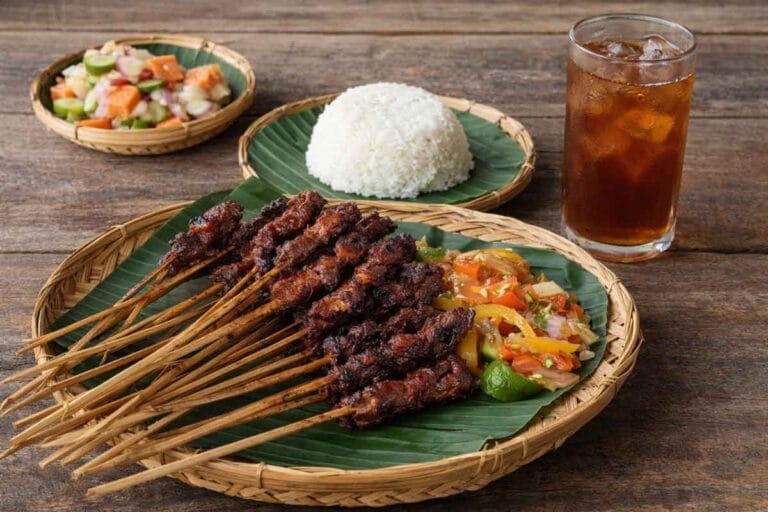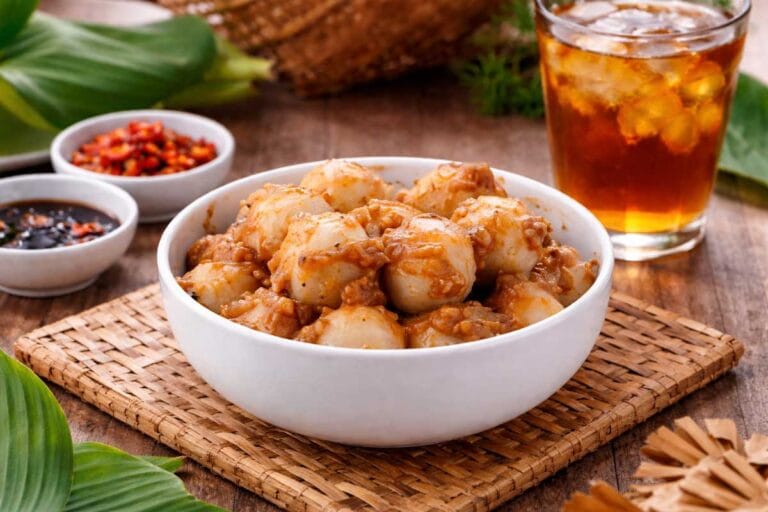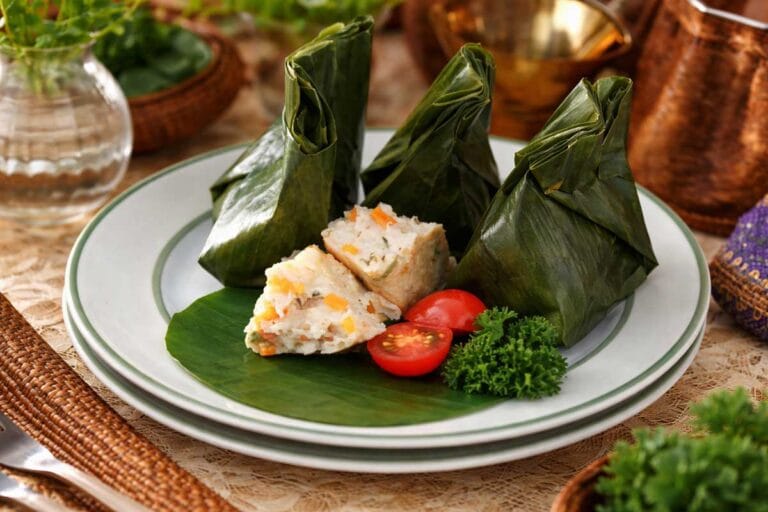
One more culinary gem from Makassar, South Sulawesi. If before we explored the famous Coto Makassar, this time let’s dive into Makassar Satay (Sate Makassar). Unlike the more popular satays from Java, such as Madura Satay, or from Sumatra, like Padang Satay, Makassar Satay has its own distinct identity. This beef satay, known for its unique touch of bilimbi fruit (belimbing wuluh), is richly infused with spices and served with a signature Makassar-style peanut sauce. It delivers a flavor just as satisfying and unforgettable as the more well-known satay varieties across the Indonesian archipelago.
But before we savor Makassar Satay itself, let’s take a step back and trace the long journey of satay’s history.
History of Satay: From Ancient Fire to Indonesian Identity
At its core, satay is simple: small cuts of meat skewered on bamboo sticks, grilled over glowing charcoal, and served with sauce—usually peanut-based or soy sauce with shallots, cucumber, and chili on the side. Yet, behind this humble dish lies centuries of history, migration, and cultural blending.
Sate (or satay, as it is often spelled internationally) is widely believed to have originated in Java, Indonesia, before spreading across the archipelago and beyond. Today, you’ll find satay everywhere in Indonesia: from street vendors and night markets to high-end restaurants and even at royal banquets. It has become a true national dish and a symbol of Indonesia’s culinary diversity.
But satay’s story is even older. Some historians trace its roots back to prehistoric times, when humans first learned to skewer and roast meat over fire. Others highlight its resemblance to kebabs from the Middle East and South Asia, brought to the Indonesian archipelago by traders and travelers.

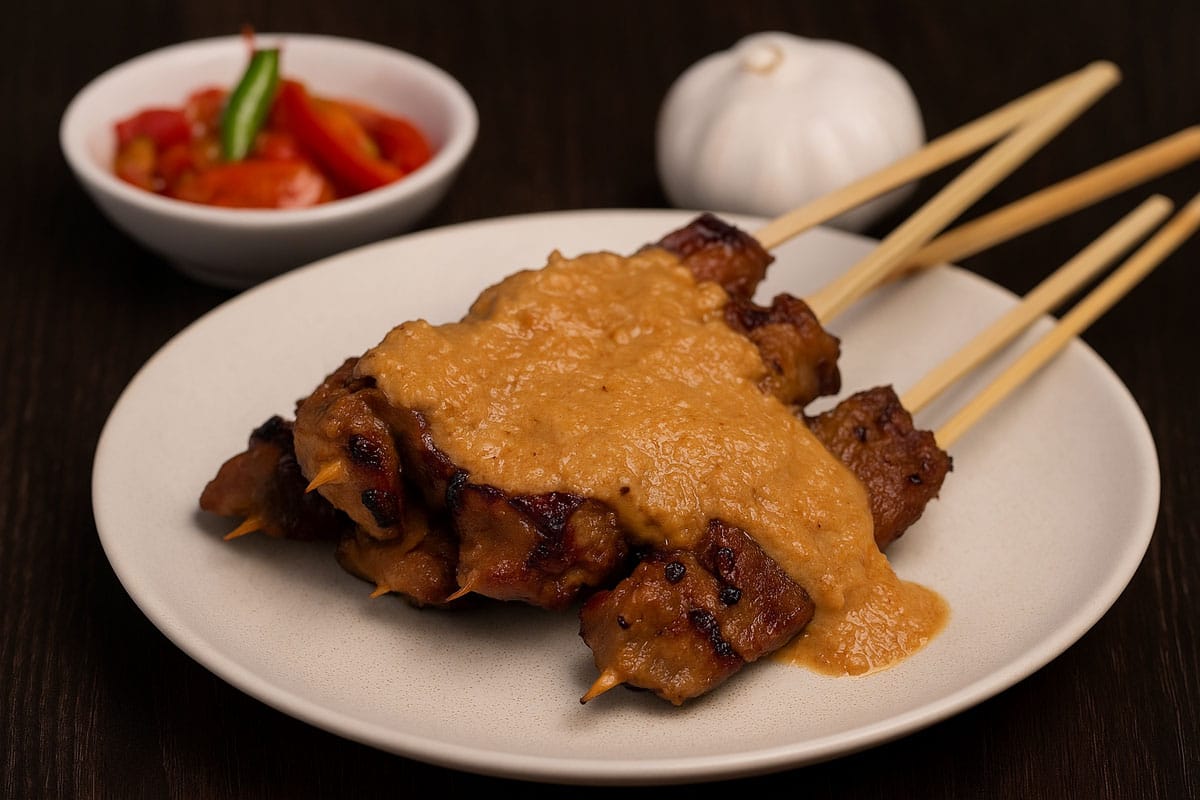
Makassar Beef Satay (Sate Makassar)
Ingredients
Instruction
- Blend shallots, garlic, coriander, black pepper, cumin, galangal, lemongrass, palm sugar, fennel seeds, and salt into a paste.
- Mix the paste with coconut milk. Coat beef cubes well.
- Marinate for at least 1 hour in the refrigerator (up to overnight for best flavor).
- Thread marinated beef onto bamboo skewers.
- Grill over charcoal or a stovetop grill pan, basting occasionally with leftover marinade and a little sweet soy sauce if desired, until cooked and slightly charred (10–12 minutes).
- Blend shallots, garlic, shrimp paste, palm sugar, and salt into a paste.
- Heat oil in a saucepan over medium heat. Sauté the spice paste until fragrant and oil separates.
- Add ground peanuts, mix well. Gradually pour in coconut milk, stirring continuously.
- Simmer on low heat until thick and oily (10–15 minutes).
- Add chilies, then stir in belimbing wuluh (or substitute) just before turning off the heat.
- Arrange satay on a plate, drizzle with peanut sauce, and serve with steamed rice or lontong (rice cakes).
Notes
- Belimbing wuluh (Indonesian sour starfruit) → Substitute with 1 tbsp lime juice or 1 tbsp lemon juice. For extra tang, add a few thin slices of green apple.
- Terasi (shrimp paste) → Replace with ½ tsp fish sauce or ¼ tsp anchovy paste for umami depth.
- Galangal (lengkuas) → Use fresh ginger plus a little extra lemongrass for a similar aroma.
- Palm sugar (gula merah) → Brown sugar or coconut sugar works well.
- Sweet soy sauce (kecap manis) → Optional; available online (brands like ABC), or mix regular soy sauce with a little brown sugar.
- For grilling: A stovetop grill pan or oven broiler works if charcoal is not available.
Indian and Middle Eastern Influence: The “Catai” Connection
One popular theory suggests that satay is a local adaptation of the kebab, introduced by Indian and Arab merchants who sailed into the Indonesian spice ports centuries ago. In India, particularly in Tamil culture, the word catai means “meat.” Over time, this term evolved in the local tongue into “sate.”
Initially, Indonesians weren’t accustomed to grilling meat; boiling was far more common. But exposure to Indian and Middle Eastern cooking—especially kebabs roasted on skewers—changed local practices. Soon, Indonesians began experimenting, marinating meats with their abundant local spices and grilling them over coconut-shell charcoal.
By the 14th and 15th centuries, during the Majapahit kingdom, skewered and grilled meat was already known as a royal delicacy. Later, under Dutch colonial rule, satay became even more popular. The Dutch, who had acquired a taste for the dish, helped spread it internationally—so much so that satay remains a common dish in the Netherlands today, often served with fries instead of rice, and called “kip saté” (chicken satay).
Satay Around the World
The Indonesian satay has close relatives worldwide:
- Shashlik in Russia and Central Asia
- Kebabs in the Middle East and Turkey
- Yakitori in Japan
- Chuan’r in China
- Satay in Malaysia, Singapore, and Thailand
Each culture adds its own twist with marinades, spices, and sauces. Yet, all of them share the same primal joy of fire-kissed meat on a stick.
The Diversity of Satay in Indonesia
Indonesia itself is home to hundreds of satay varieties:
- Sate Madura (East Java): Chicken satay with sweet soy and peanut sauce.
- Sate Padang (West Sumatra): Beef satay with a thick, spicy turmeric-based sauce.
- Sate Lilit (Bali): Minced fish satay wrapped around lemongrass sticks.
- Sate Kambing (Central Java): Goat satay with soy sauce and shallots.
- And, of course, Sate Makassar from South Sulawesi.
Each region reflects its local ingredients and traditions, making satay a culinary map of Indonesia itself.
Enter Sate Makassar: Bold, Sour, and Spicy
Unlike the sweeter Javanese satay, Sate Makassar has a stronger, tangier, and spicier flavor profile. Its uniqueness lies in two things:

- Belimbing Wuluh (Averrhoa bilimbi) – a small sour fruit that adds a refreshing tartness, balancing the richness of grilled beef.
- Makassar Peanut Sauce – thicker, spicier, and more complex than the usual peanut satay sauce, thanks to the addition of chili and local spices.
Makassar cuisine is famous for its bold use of spices and herbs. Whether it’s Coto Makassar, Konro (beef rib soup), or Pallubasa (spiced beef soup), the city’s dishes are never shy about flavor. Sate Makassar embodies this philosophy: smoky grilled beef, tangy-sour undertones, and nutty, fiery sauce.
The Cultural Meaning of Satay
In Indonesia, satay is not just food—it’s community, celebration, and sharing. It is often served at gatherings, weddings, and family events. The act of grilling together, fanning the coals, and waiting for skewers to char creates a social bond.
Sate Makassar, in particular, reflects the seafaring, spice-loving culture of South Sulawesi, where trade brought not just goods but also flavors.
Health Benefits and Risks
Eating satay offers several benefits:
- High protein from beef, chicken, or lamb.
- Spices and herbs like turmeric, chili, and garlic, which have antioxidant and anti-inflammatory properties.
- Peanuts provide healthy fats and vitamins.
However, like any grilled food, satay also has risks if consumed excessively. Over-charred meat can produce carcinogenic compounds (such as heterocyclic amines and polycyclic aromatic hydrocarbons). Moderation, proper grilling, and balancing with vegetables or rice are key.
Would Western Palates Enjoy Sate Makassar?
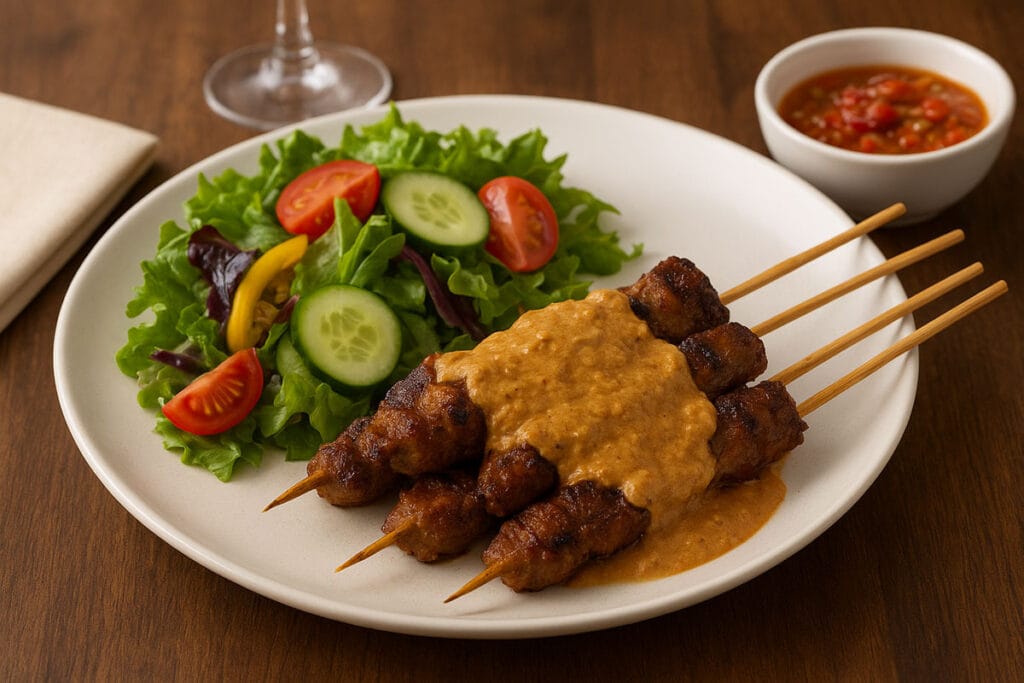
For Western audiences—whether in the U.S., Europe, or elsewhere—Sate Makassar could be a delightful adventure. The sourness from belimbing wuluh might remind some of tamarind or lemon, while the peanut-chili sauce resonates with flavors familiar from Thai or Vietnamese cuisine.
To make it more approachable, it can be served with:

- Steamed rice or rice cakes (lontong), similar to risotto bites or polenta squares.
- Fresh salads or pickles, to balance the richness.
- Or even in a fusion style—served with fries or flatbread for international diners.
Similar Dishes Abroad
Western readers might compare Sate Makassar to:
- Mexican carne asada skewers – smoky, tangy beef.
- Greek souvlaki – skewered grilled meat often served with pita.
- Turkish shish kebab – seasoned skewered lamb or beef.
But the addition of belimbing wuluh makes Sate Makassar truly stand apart.
Final Thoughts
Sate Makassar may not have the same global fame as Sate Madura or Sate Padang, but it deserves a place on the international stage. Its story is one of cultural blending, spice trade history, and local creativity. It is bold, tangy, smoky, and deeply satisfying—perfect for adventurous eaters looking for a new favorite dish.
So, the next time you explore Indonesian cuisine, don’t stop at nasi goreng or rendang. Give Sate Makassar a try. It’s not just food—it’s a journey through history, trade, culture, and flavor, all in one skewer.