Indonesian traditional dishes are not only what you might think, like satay, rendang, or nasi goreng. With more than 17,000 islands spread across the country, Indonesia offers countless unique dishes you should try. Now, let’s move on to Maluku, a region famous not just for its spices but also for its bold and distinctive flavors. Among its culinary gems is a dish you might never expect—Tumis Bunga Pepaya, or sautéed papaya flowers.
At first glance, it’s an unusual concept for Western palates—using papaya flowers, something rarely seen on American or European plates. But in Maluku and other parts of Eastern Indonesia, this dish is more than food. It’s a symbol of resilience, creativity, and balance in life.
In this article, we’ll dive into the history, cultural meaning, flavor profile, health benefits, and how you can enjoy this dish at home in the U.S. or Europe. We’ll also explore whether there’s anything quite like it elsewhere in the world.
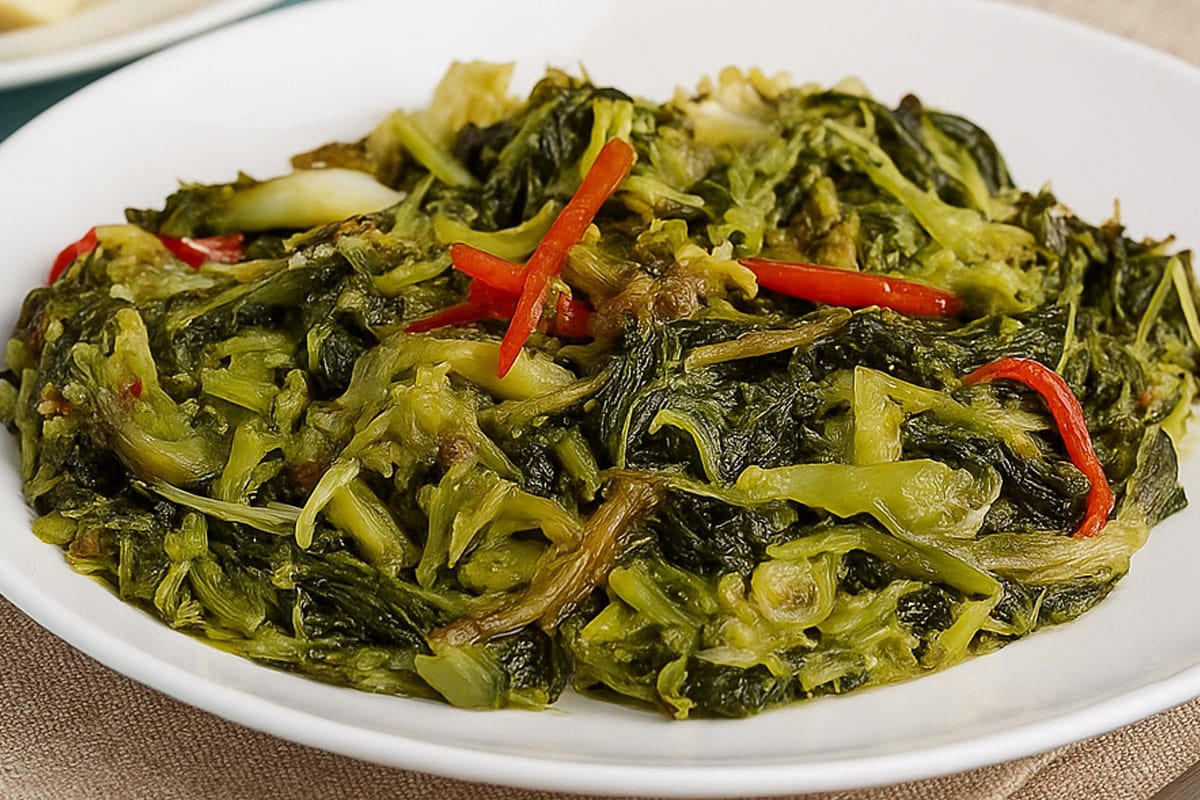
Sautéed Papaya Flowers (Tumis Bunga Pepaya)
Ingredients
Instruction
- Boil papaya leaves in salted water for about 5 minutes, drain. Repeat boiling twice to reduce bitterness.
- Boil papaya flowers in the same way. Drain well and set aside.
- Heat oil in a large skillet over medium heat.
- Sauté shallots, garlic, and bird’s eye chilies until fragrant (about 2–3 minutes). Add bay leaves.
- Add papaya leaves, papaya flowers, and crispy anchovies to the pan.
- Season with salt and sugar. Pour in a splash of water and stir well until everything is coated and the liquid evaporates.
- Toss in lemon basil and squeeze lime juice (if using). Stir for 1 minute.
- Remove from heat and serve warm.
Notes
- Papaya Leaves & Flowers: If you can’t find fresh papaya leaves or flowers, check Asian or African grocery stores. They are sometimes sold frozen.
- Bitterness Control: Boil the leaves and flowers twice with salted water. A squeeze of lime at the end adds brightness.
- Anchovy Substitute: Use small dried anchovies (sold in Asian stores). If unavailable, use crispy bacon bits for a similar salty crunch.
- Heat Level: Reduce or omit bird’s eye chilies for a milder version, or replace with jalapeño slices.
- Serving Suggestion: Traditionally served with boiled cassava, but it pairs beautifully with steamed rice or roasted potatoes.
A Glimpse into Maluku’s Culinary Heritage
To understand Tumis Bunga Pepaya, we need to step back into Maluku’s history. Known as the Spice Islands, Maluku has long been a magnet for traders. Centuries ago, Arab, Portuguese, and Dutch merchants sailed here for cloves and nutmeg. But Maluku’s wealth isn’t limited to spices—the fertile volcanic soil and abundant seas gave locals access to cassava, sago, and a variety of leafy greens.
Among these local resources was the papaya tree. While many people around the world enjoy papaya for its sweet fruit, the people of Eastern Indonesia saw potential in every part of the plant. Papaya flowers (bunga pepaya), with their delicate yellow-white petals, became a staple in home kitchens.

Maluku isn’t the only region that cooks with papaya flowers. Minahasa in North Sulawesi and parts of East Nusa Tenggara (NTT) also feature similar dishes, often paired with spicy fish like rica-rica or ikan bakar. But in Maluku, this sautéed dish is typically served alongside boiled cassava, creating a perfect balance between earthy bitterness and subtle sweetness.
What Are Papaya Flowers?
(A common question in Western kitchens)
Papaya flowers grow on male papaya trees, forming clusters of small, star-shaped blossoms. Unlike the fruit, these flowers carry a naturally bitter flavor, a taste that might surprise Western palates. In Indonesian cooking, bitterness is not something to hide—it’s embraced and celebrated.
To make them palatable, the flowers are usually boiled twice in salted water to mellow the sharp edge of bitterness. This technique is simple but essential. Once prepared, the flowers are stir-fried with shallots, garlic, bird’s eye chilies, bay leaves, and sometimes anchovies or smoked fish. The result? A dish that’s savory, slightly spicy, and pleasantly bitter—a complexity of flavors that speaks to Indonesia’s culinary depth.
Cultural Significance and Philosophy Behind the Dish
In Eastern Indonesian culture, bitter flavors symbolize strength and endurance. The people of Maluku, who have faced centuries of challenges—colonialism, natural disasters, and economic struggles—see this dish as a metaphor for life:
“Not everything bitter should be rejected. With patience and the right touch, even bitterness can become beautiful.”
This philosophy is woven into the daily act of cooking. Tumis Bunga Pepaya teaches that hardship, like bitterness, can be softened when combined with the right elements—love, spices, and time.
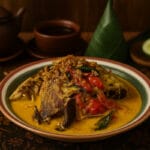
How Is Tumis Bunga Pepaya Served in Indonesia?
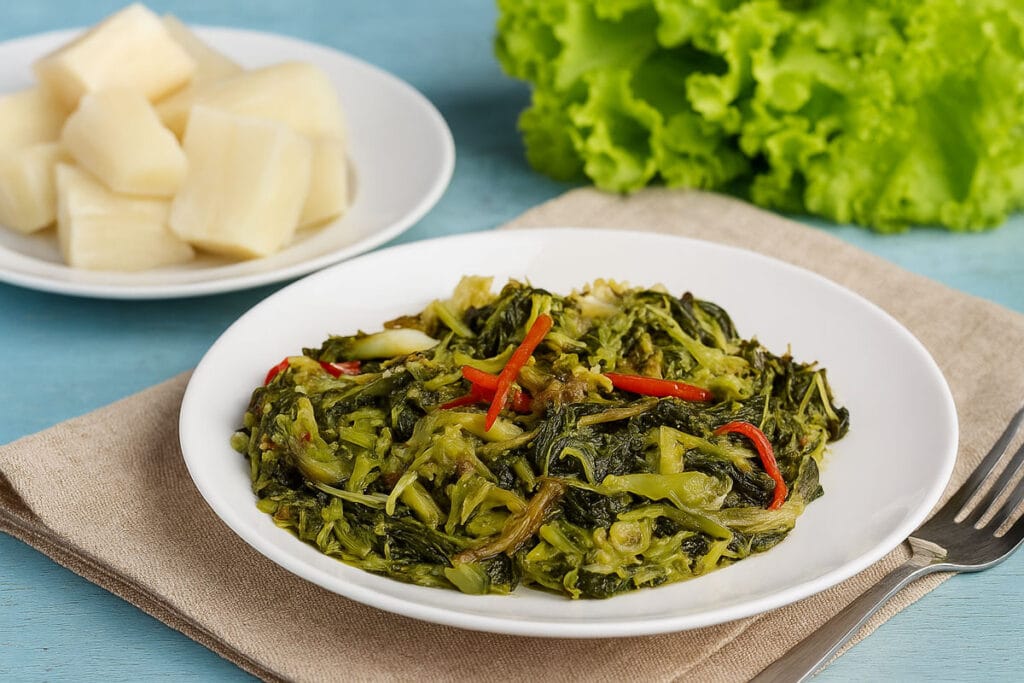
Traditionally, this dish is a side vegetable that accompanies steamed rice or, more authentically in Maluku, boiled cassava. The cassava provides a starchy base, balancing out the bitter greens and the salty punch of fried anchovies. In local homes, it’s often paired with ikan asin (salted fish) or grilled tuna—a nod to Maluku’s rich fishing culture.
During family gatherings or community feasts, this humble dish becomes a symbol of togetherness. It may not be the star of the show, but its presence on the table speaks volumes about heritage and identity.
Health Benefits of Papaya Flowers in Cooking
Beyond cultural significance, papaya flowers offer impressive health benefits:
- Rich in antioxidants – Helps fight free radicals and supports overall health.
- High in fiber – Aids digestion and promotes gut health.
- Contains papain enzyme – Known for its anti-inflammatory properties and ability to aid digestion.
- Natural bitterness – Stimulates appetite and improves liver function.
This makes Tumis Bunga Pepaya not just an authentic Indonesian vegetable recipe, but also a functional food that aligns with modern wellness trends.
Would Americans and Europeans Enjoy It?
The honest answer: it depends on your openness to new flavors. Western cuisine tends to favor sweet and savory, with bitterness often limited to foods like kale, arugula, or dark chocolate. Papaya flowers share some similarities with bitter greens you might know, such as rapini (broccoli rabe) or dandelion greens. If you like those, you’ll likely appreciate this dish.
For a gentler introduction, you can pair Tumis Bunga Pepaya with milder sides—roasted potatoes, grilled chicken, or even quinoa. The bitterness, when balanced with spice and umami, can feel surprisingly refreshing.
How to Serve This Dish in the U.S. or Europe
Finding papaya flowers fresh can be a challenge, but here are tips:
- Check Asian or African markets – These stores often stock frozen papaya flowers.
- Substitute bitter greens – If unavailable, use dandelion greens, mustard greens, or rapini. They share a similar earthy bitterness.
- Anchovies – Asian dried anchovies are best, but Italian anchovies or crispy bacon bits can be alternatives for that salty crunch.
For serving ideas:
- Pair with steamed jasmine rice or garlic mashed potatoes for a fusion twist.
- Add a squeeze of lemon or lime for brightness.
- Serve alongside grilled fish or roasted chicken to make it a complete meal.
Is There a Dish Like This in Other Countries?
While Tumis Bunga Pepaya is unique to Indonesia, similar bitter-green dishes exist worldwide. In Italy, broccoli rabe sautéed with garlic and olive oil is beloved for its slight bitterness. In parts of Africa and the Caribbean, bitter leaf stews are common. These parallels show that bitterness, though often underrated, is a global taste that transcends cultures.
Does Tumis Bunga Pepaya Exist Outside Maluku?
Yes. While Maluku is strongly associated with this dish, Sulawesi (Minahasa) and East Nusa Tenggara (NTT) also have versions of sautéed papaya flowers. The Minahasa version is spicier, often paired with rica-rica (a fiery chili sauce), while NTT adds local herbs for a unique aroma. Each region interprets the dish through its cultural lens, but the essence remains: turning bitterness into beauty.

Final Thoughts
In a world where food trends chase novelty, Tumis Bunga Pepaya stands out as a quiet classic—authentic, bold, and deeply meaningful. It’s a dish that challenges the palate, invites reflection, and celebrates the idea that life, like food, is richer when we embrace all its flavors, even the bitter ones.
So the next time you’re curious about unique Indonesian food, look beyond the famous dishes and give papaya flowers in Indonesian cuisine a try. It might just change how you think about bitterness.