The first image that often comes to mind is the fiery, tongue-numbing kick of something like Sriracha or Mexican salsa. But in Indonesia, chili sauce—or sambal especially sambal kemiri—is not just a condiment. It’s a way of life, woven deeply into the country’s food culture for over a thousand years.
What is Sambal and Its History
Sambal has its roots on the island of Java and has been a staple of Indonesian dining since at least the 10th century. Interestingly, sambal originally wasn’t made with the chili peppers we know today. Before Spanish and Portuguese traders introduced New World chilies to Southeast Asia in the 16th century, the Javanese used long pepper (cabe jawa), black pepper (lada), and ginger (jahe) to bring heat to their food.
As chilies spread across the archipelago, sambal evolved into dozens—if not hundreds—of regional variations, each one reflecting the creativity of local cooks. On Sumatra, you’ll find balado, a tangy red chili paste. In Manado, North Sulawesi, the famously spicy rica-rica and dabu-dabu are the condiments of choice. And on Java, you’ll encounter a gentler, creamier sambal called Sambal Kemiri.
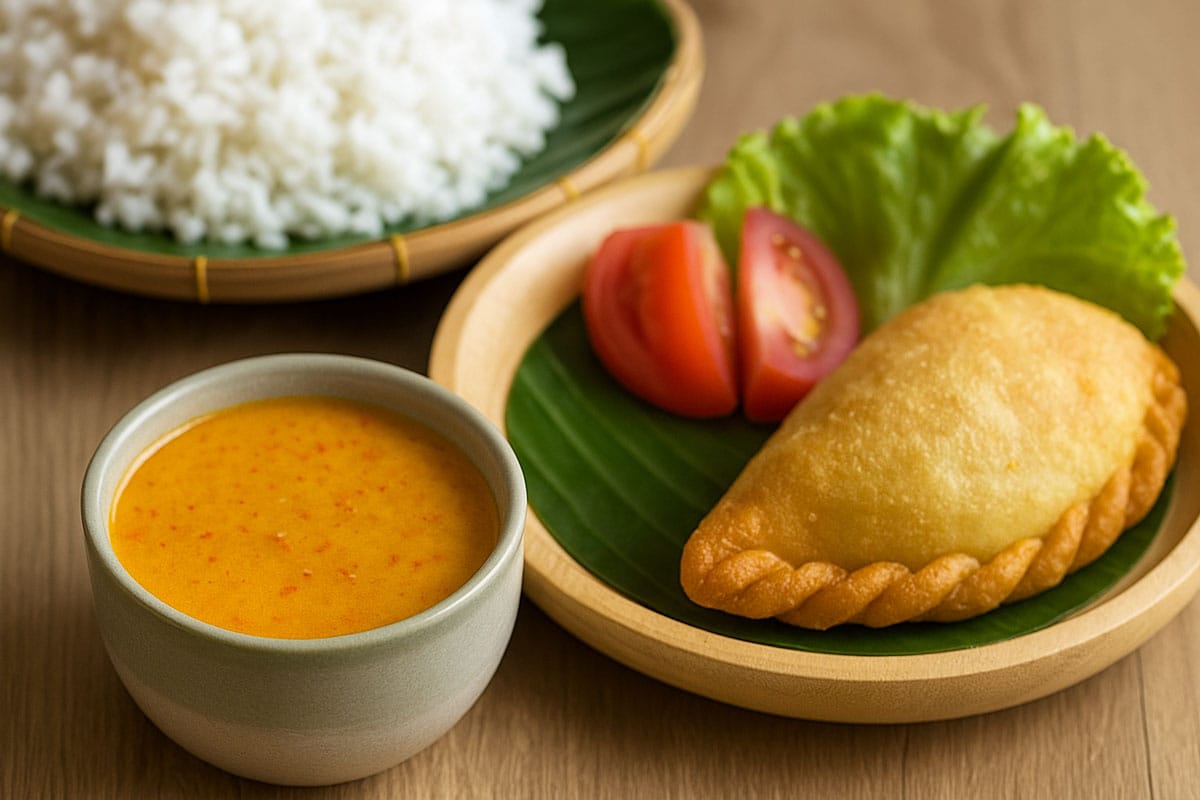
Sambal Kemiri – Indonesian Candlenut Chili Sauce
Ingredients
Instruction
- Toast the nutsHeat a dry pan over medium heat. Toast the candlenuts (kemiri) and peanuts until fragrant and slightly golden. Set aside.
- Sauté the chilies and garlicIn the same pan, heat 1 tablespoon of oil. Sauté the red chilies, bird’s eye chilies, and garlic until softened and aromatic. Remove from heat.
- Grind into a pasteUsing a mortar and pestle (or a food processor), grind the toasted candlenuts, peanuts, sautéed chilies, and garlic into a smooth paste.
- Season and adjustMix the paste with sugar, salt, and lime juice. Gradually add hot water until you reach a saucy consistency. Taste and adjust seasoning to your preference.
- ServeTransfer to a small bowl and serve alongside nasi uduk (coconut rice), fried chicken, grilled meats, or vegetables.
Notes
- Candlenuts (Kemiri): These are traditional Indonesian nuts that add creaminess. If you can’t find them, use macadamia nuts as the closest substitute. Do not eat candlenuts raw—they must be roasted or cooked.
- Chilies: For a milder sambal, reduce or skip the bird’s eye chilies (cabe rawit). For authentic heat, keep them. Fresno chilies are a good substitute for Indonesian red chilies.
- Lime juice vs. vinegar: Traditionally, Indonesians use lime juice for freshness. Rice vinegar or white vinegar works as a substitute.
- Consistency: Sambal Kemiri is not meant to be too watery. Add hot water gradually until it’s spoonable but still rich.
- Pairing: Best served with coconut rice, grilled chicken, fried tempeh, or as a dipping sauce for snacks.
So, What Exactly Is Kemiri?
The star of Sambal Kemiri is the candlenut (kemiri), a nut that grows in Southeast Asia and parts of the Pacific. At first glance, it looks like a pale macadamia nut. In fact, macadamias are the best substitute for candlenuts if you’re cooking outside Indonesia.
Kemiri has a very mild flavor, almost bland when raw, but when roasted or sautéed it transforms into something magical—nutty, creamy, and rich. Indonesians use kemiri not only for sambal but also to thicken stews, curries, and sauces. Think of it as the Southeast Asian cousin to cashews or almonds in Indian curries.

Health-wise, candlenuts are high in oils, which is exactly why they create that smooth, creamy body in sambals and curries. But here’s an important note: candlenuts should never be eaten raw. They’re slightly toxic until cooked, which is why Indonesian recipes always instruct you to roast or fry them first.
Substituting Candlenuts in the West
For American and European cooks, candlenuts might not be available at your local grocery store. The closest match in flavor and texture is macadamia nuts, which are buttery, fatty, and creamy when blended. Cashews can also work in a pinch, though they are sweeter. The idea is to create a sauce that feels rich on the tongue, so don’t skip the nut element.
The Origins of Sambal Kemiri
Sambal Kemiri hails from Java, particularly in Central and East Java, where it is often served as a side condiment with rice-based meals. Unlike fiery sambals that sit thick on the plate, Sambal Kemiri is thinner—thanks to added hot water—and designed to be spooned over food. The creaminess of the candlenut balances the heat of the chilies, creating a chili sauce that is both fiery and mellow at once.
This sambal is not meant to stand alone but to accompany dishes. Think of it as a bridge between plain rice and the rest of the meal. Its role is to enhance, not overpower.
Nasi Uduk: The Perfect Match
If Sambal Kemiri is the paint, then Nasi Uduk is the canvas. Nasi Uduk is a beloved Indonesian coconut rice dish, cooked in coconut milk and aromatics like lemongrass and pandan leaves. It’s fragrant, slightly creamy, and deeply comforting.

In Jakarta, where I grew up, nasi uduk is a common breakfast dish. While Western breakfasts lean toward toast, eggs, and cereal, Indonesians often start their mornings with rice. Sometimes it’s a bowl of savory porridge, other times it’s rice with side dishes and sambal. For nasi uduk, the plate is usually completed with fried tempeh, boiled eggs, fried chicken, and of course, sambal kemiri.

There’s also a cultural habit of pairing nasi uduk with “gorengan”—fried snacks. This could be a simple fried tofu or more elaborate treats like Pastel Ayam Sayur (Indonesian Chicken & Vegetable Pastries) or Telur Udang Jagung (Shrimp Corn Egg Fritters). These dishes add a crunchy, savory dimension that pairs beautifully with the creamy-spicy sambal kemiri.

A Personal Story
Growing up in Indonesia, my mornings often began with choices that might feel unusual to someone in America or Europe. While friends abroad might grab toast with jam or a croissant with coffee, my breakfast table featured rice. On certain mornings, especially weekends, my family would buy nasi uduk from a street vendor. The packet of rice came wrapped in banana leaf, still warm, with a piece of fried chicken, a pastel, maybe a fritter, and a small bag of sambal kemiri.
The sambal was always the highlight. I remember how the sauce was slightly runny, almost pourable, unlike thick chili pastes. It had that nutty creaminess from kemiri, a pleasant heat from chilies, and a hint of tang from lime or vinegar. For me, it was the taste of home.
Of course, not everyone enjoys spicy food first thing in the morning. For Western audiences trying this sambal, you might want to ease into it by reducing the number of chilies. Start mild, and add more heat once you’re comfortable. Even in Indonesia, sambal is highly personal—everyone adjusts it to their own spice tolerance.
Why You Should Try Sambal Kemiri
For international cooks, Sambal Kemiri is an entry point into the vast world of Indonesian sambals. It’s less intimidating than sambal terasi (shrimp paste sambal) and far less fiery than Lombok’s sambal plecing. The creaminess makes it approachable, and its versatility means you can serve it with rice, grilled chicken, fried vegetables, or even as a dip for savory pastries.
It’s a recipe that carries history, culture, and personal memory in every spoonful. By making Sambal Kemiri at home, you’re not just cooking chili sauce—you’re tasting a story that stretches from ancient Java to modern breakfast tables in Jakarta, and now, perhaps, to your own kitchen.