A Gentle Introduction: From “Cake” to “Kue Bolu”
When imagining cake, most people picture a baked treat—perhaps a buttery pound cake or a fluffy sponge rising in the oven. In Indonesia, however, there is a unique variation called Kue Bolu Kukus, a soft and tender steamed sponge cake.
This traditional treat might look like a cupcake at first glance — small, pastel-colored, and wrapped in paper — but it hides a fascinating story of colonial influence, cultural adaptation, and local ingenuity. The name bolu itself comes from the Portuguese word bolo, meaning cake, showing how global history often leaves traces even in the simplest desserts.
Unlike Western cakes that rely on baking powder and ovens, Bolu Kukus rises from the power of steam, air soda, and patience. Its tender, cotton-like texture and flower-shaped bloom have made it one of Indonesia’s most beloved sweets, often served at family gatherings, festive occasions, or even sold warm at roadside markets.
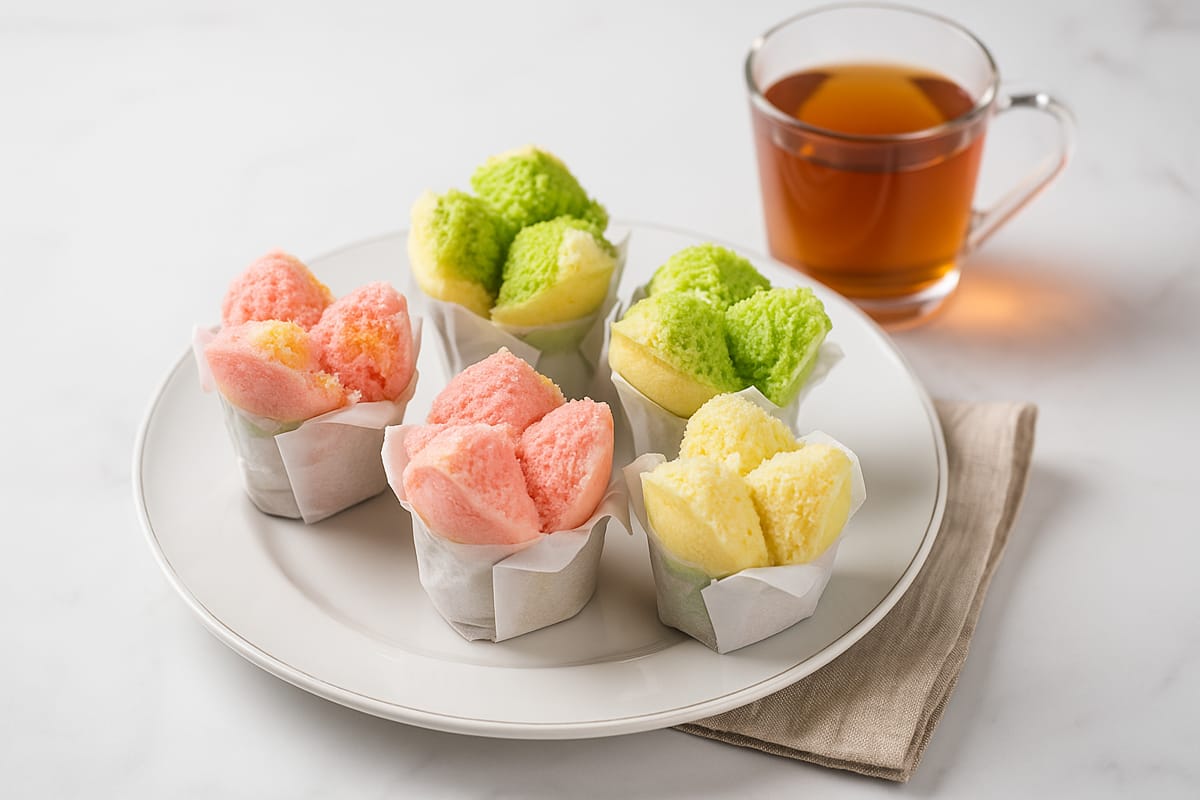
Steamed Indonesian Cupcakes (Kue Bolu Kukus)
Ingredients
Instruction
- Prepare the steamerFill your steamer pot with water and bring to a rolling boil. Wrap the lid with a clean kitchen towel to prevent condensation from dripping onto the cakes.
- Whip the base mixtureIn a large mixing bowl, combine eggs, sugar, and SP (emulsifier). Beat with a hand or stand mixer on high speed for about 10 minutes, or until the mixture becomes thick, pale, and tripled in volume.
- Incorporate the dry ingredientsSift in the flour gradually while mixing on low speed or folding gently with a spatula.
- Add the liquidsPour in the coconut milk and soda water, alternating between the two while gently folding the batter until just combined. Do not overmix — this will deflate the air bubbles.
- Color the batter (optional)If you want colorful cupcakes, divide the batter and tint one part with food coloring. You can layer white–colored–white for a classic tri-layer look.
- Fill the moldsLine your molds or cups with cupcake liners and fill them to the top. Steamed cakes need full molds to expand and bloom.

- Steam the cakesPlace the molds in the steamer, cover tightly, and steam over high heat for 15 minutes. Avoid opening the lid during this time.
- Cool and serveRemove from the steamer, cool for a few minutes, and gently remove from the molds. Serve warm or at room temperature with tea or coffee.

Notes
-
Emulsifier (SP or Ovalet):
This is a cake stabilizer commonly used in Southeast Asia. You can substitute it with 1 teaspoon of cornstarch or omit it entirely if whipping the eggs properly. The texture will still be soft. -
Coconut milk (santan):
Use full-fat canned coconut milk like Thai brands (Aroy-D, Chaokoh) for the same richness as Indonesian santan. -
Soda water:
Acts as a natural leavening agent. Use plain carbonated water or club soda, not sweetened soda. -
Steaming tips:
- Keep the heat high throughout steaming.
- Avoid lifting the lid before 15 minutes — sudden temperature drops can make the cupcakes collapse.
- Wrap the lid with a towel to prevent dripping water.
-
Flavor ideas:
Try adding vanilla extract, pandan essence, or a few drops of rose water for regional flavor variations.
A Tale of Two Worlds: From European “Bolo” to Asian “Fāgāo”
The story of Bolu Kukus reflects centuries of cultural exchange between East and West. While the word “bolu” traces its roots to Portugal, the technique of steaming and the symbolism of a blooming cake come from another side of Asia — China.
In ancient China, there was a steamed cake called 发糕 (fāgāo), or “prosperity cake.” It was made from rice flour, sugar, and yeast, then steamed until it “bloomed” beautifully at the top. The bloom was not just aesthetic — it symbolized luck, prosperity, and growth. Fāgāo was (and still is) served during Lunar New Year to invite wealth and happiness.

Through centuries of trade and migration between China and Southeast Asia, fāgāo made its way to the Indonesian archipelago. But Indonesia — with its own traditions of steaming food like kue lapis and putu ayu — gave the recipe a new identity. Local cooks replaced rice flour with wheat flour (tepung terigu), added coconut milk (santan) for richness, and used soda water instead of yeast for a lighter rise. Thus, Kue Bolu Kukus was born — a hybrid of Asian spirituality and Western technique, flavored with the soul of Indonesia.
Symbolism and Meaning Behind the Bloom
In Indonesian culture, food often carries a deeper meaning — and Bolu Kukus is no exception.
The way it “blooms” when perfectly steamed represents hope, prosperity, and happiness. It’s common to see trays of these flower-like cakes at weddings, birthdays, and religious ceremonies. A Bolu Kukus that opens fully is believed to bring good fortune to the event — a small but powerful reminder that joy and luck come from care, timing, and balance.
Even its colors carry symbolic meanings:
- 🌹 Red – happiness and luck
- 💛 Yellow – prosperity and optimism
- 💚 Green – peace and harmony
- 🤍 White – purity and sincerity
That’s why traditional markets in Indonesia often display rows of Bolu Kukus in cheerful, pastel tones — a visual celebration of abundance and positivity.
From Street Stalls to Celebrations: Bolu Kukus in Everyday Indonesia
Walk into any Indonesian market, and you’ll likely see steaming baskets lined with small paper cups filled with colorful Bolu Kukus. Vendors often sell them fresh from the steamer — soft, warm, and irresistibly fragrant.
They are more than just snacks; they’re a comfort food that connects generations. Grandmothers make them for family gatherings, mothers pack them for school snacks, and bakers reinvent them with modern flavors like chocolate, cheese, or even matcha.
In festive seasons such as Ramadan, Bolu Kukus becomes a staple takjil (sweet snack to break the fast). Its fluffy texture and mild sweetness make it perfect after a day of fasting — light, joyful, and nostalgic.

Blending East and West: A Cake Without an Oven
For Western readers, Bolu Kukus offers an intriguing culinary paradox — it’s a cake that never sees an oven.
Instead of dry heat, it depends on moist steam, which gives it a softer crumb and an almost ethereal lightness.
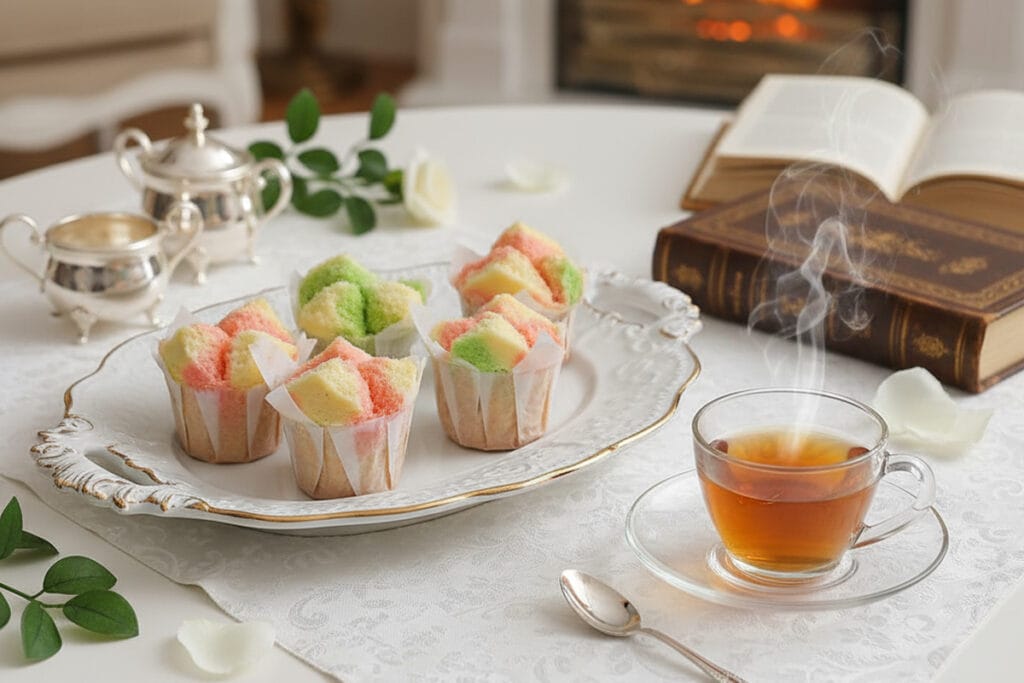
Think of it as a fusion between a cupcake and a Japanese chiffon, but with tropical notes from coconut milk and a gentle sweetness that pairs perfectly with tea or coffee. It’s both humble and poetic — a dessert that celebrates resourcefulness over extravagance.
For home bakers who don’t own an oven, this recipe feels like freedom: a way to create something elegant using just a pot, steam, and patience.
Nutritional Notes and Fun Facts
While Bolu Kukus isn’t a “health food,” it has some surprisingly light qualities compared to traditional butter cakes.
Here’s what makes it appealing even to modern, health-conscious dessert lovers:
- No butter required: it uses coconut milk or vegetable oil instead, making it dairy-light.
- Steamed, not fried: no excess fat, and less risk of drying out.
- Naturally portioned: small cupcake-sized servings help with moderation.
- Customizable sweetness: you can easily reduce sugar without ruining texture.
💡 Fun fact: The fizz from soda water (or Sprite, in some recipes) replaces baking powder, giving the cake its signature rise — a perfect example of “kitchen science meets tradition.”
Tips for Western Bakers Who Want to Try Bolu Kukus
Here’s how you can bring this Indonesian delight to your own kitchen:
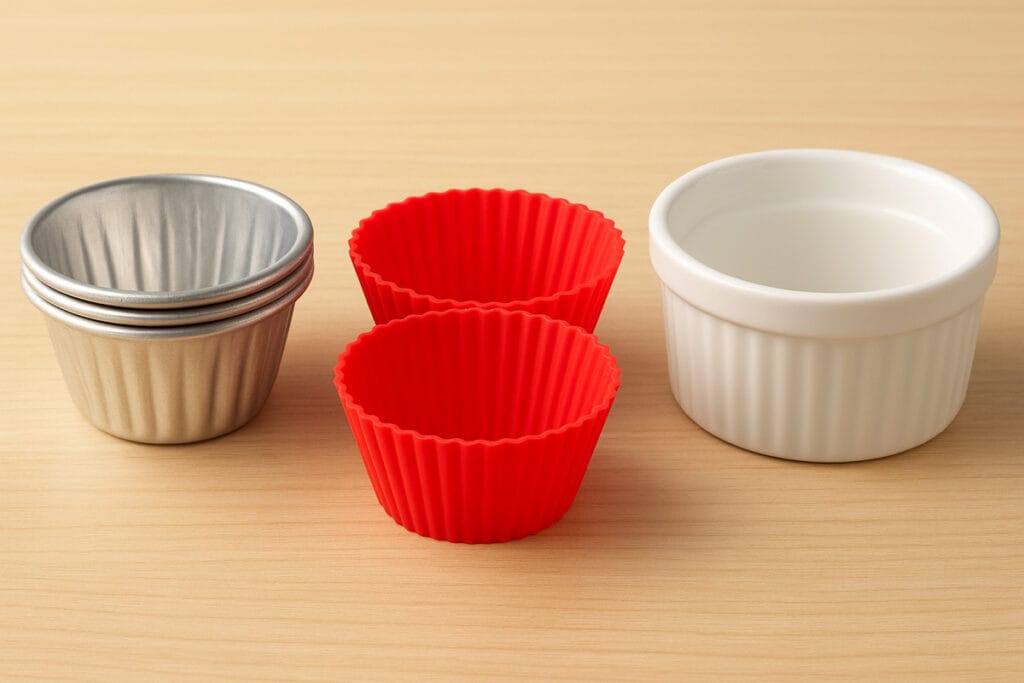
- 🧁 Use what you have:
If you don’t own traditional molds, use metal cupcake pans, silicone cups, or small ceramic ramekins. - 🌬️ Steam, don’t bake:
Use a large pot or Dutch oven with a steaming rack. Keep the water boiling the whole time — consistent steam is the secret. - 🫧 Fresh soda water only:
Always use freshly opened club soda or sparkling water — flat soda means a flat cake! - 🥥 Choose creamy coconut milk:
Full-fat canned coconut milk (like Aroy-D or Chaokoh) replicates the richness of fresh Indonesian santan. - 🎨 Play with colors and flavors:
Add vanilla, pandan, or cocoa powder, and swirl the colors for a marble effect. - 💐 Watch the bloom:
Fill the molds completely to the rim and steam on high heat — that’s how you get the iconic “flower top.”
Why Bolu Kukus Still Matters Today
In a world where desserts are becoming more complex, Bolu Kukus remains a reminder that simplicity can be deeply meaningful.
It connects Indonesia’s multicultural past — from European colonization to Chinese migration — and transforms those influences into something new, warm, and purely local.
It’s not just a recipe; it’s a story about adaptation, resilience, and the shared joy of food.

And now, as Indonesian cuisine gains more recognition worldwide, Bolu Kukus stands as a beautiful ambassador — a humble cupcake that tells a global story.
A Call to Taste and Share
If you’ve never steamed a cake before, let this be your first adventure.
Try making Bolu Kukus on a cozy weekend afternoon. Feel the steam rise, smell the sweetness of coconut milk, and watch the batter bloom into delicate petals.
When you take that first bite — soft, sweet, and slightly fragrant — you’ll taste not just Indonesia, but centuries of connection between East and West.
Then share it — with your family, your friends, or even on social media — and keep the story blooming.