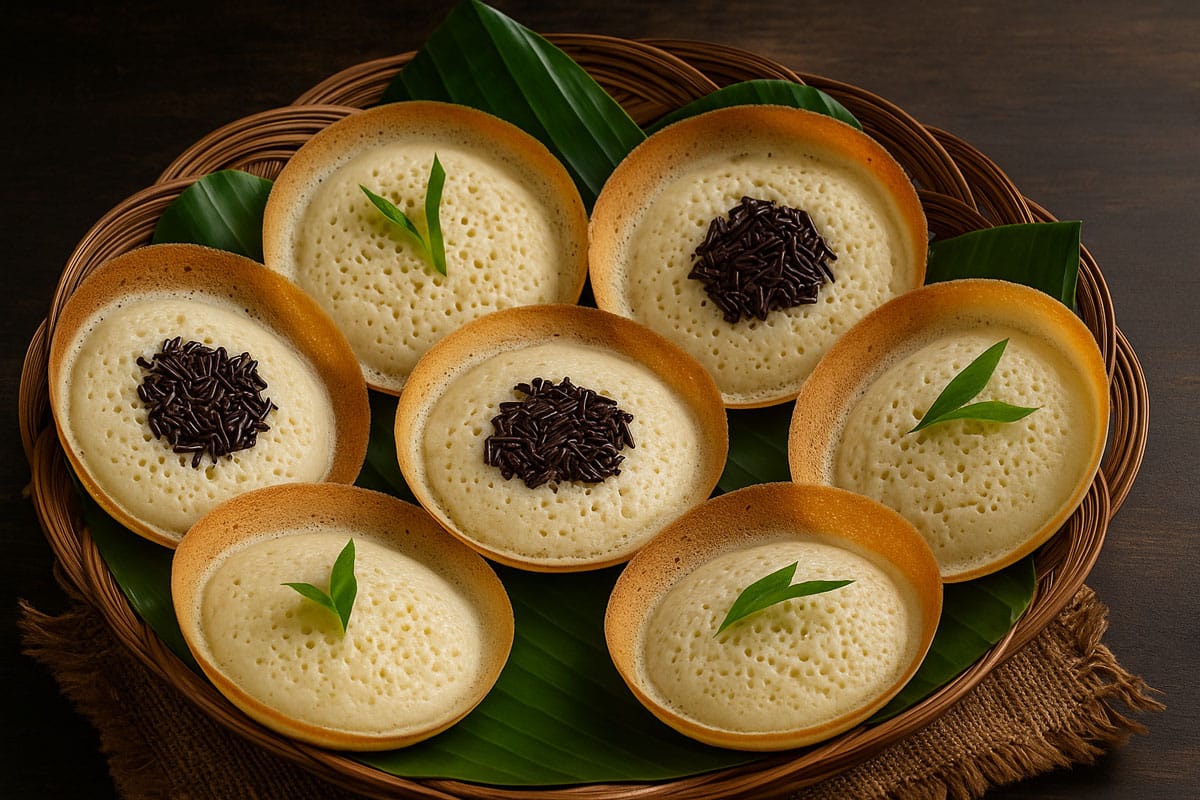
Ingredients
Instruction
Prepare the Coconut Cream Topping
- In a small saucepan, combine thick coconut milk, pandan leaf, and a pinch of salt.
- Heat over low flame, stirring gently until warm and fragrant (do not boil to avoid curdling).
- Set aside.
Make the Batter
- In a large mixing bowl, combine rice flour, all-purpose flour, vanilla powder, instant yeast, baking soda, and salt. Mix well.
- In another bowl, dissolve sugar in warm water.
- Gradually pour the sugar water into the flour mixture, stirring until smooth.
- Add the egg, mix until combined.
- Pour in thin coconut milk gradually, stirring until the batter is smooth and slightly runny (similar to thin pancake batter).
Fermentation
- Cover the batter with a clean kitchen towel.
- Let rest at room temperature for 30–45 minutes, until small bubbles form on the surface.
Cooking the Serabi
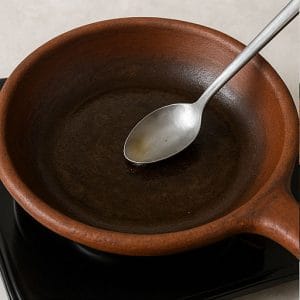
- Heat a small non-stick skillet or traditional clay pan over medium-low heat.
- Lightly grease the surface with coconut oil or butter.
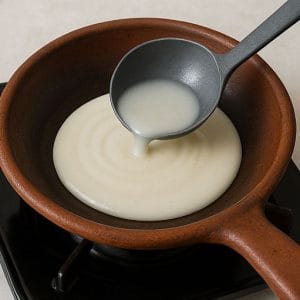
- Pour a small ladle of batter into the center and tilt the pan to create a thin edge.
- Add your chosen toppings in the center.
- Spoon a little of the prepared coconut cream topping over the middle.

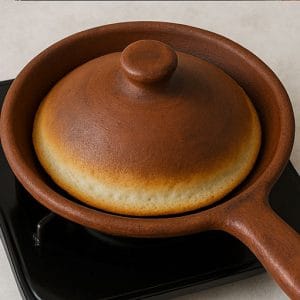
- Cover with a lid and cook for about 5 minutes, or until the edges are golden and the center is set.
Serving
- Remove with a spatula and serve warm for the best taste and texture.

Notes
- Rice Flour (Tepung Beras): Use pure rice flour, not glutinous rice flour. Brands like Erawan or Thai Elephant are common in Asian groceries and online.
- Coconut Milk & Cream: For authentic flavor, use fresh grated coconut if available. Otherwise, canned coconut milk/cream works well; just shake or stir before using.
- Pandan Leaf: Optional, but it adds a unique aroma. Frozen pandan leaves are available in most Asian markets; if unavailable, omit or use ½ tsp pandan extract.
- Cooking Pan: A small cast-iron skillet can substitute for the clay pan. The key is slow, even cooking to achieve crispy edges.
- Sweetness Level: The original Indonesian recipe is fairly sweet. Reduce sugar slightly (to about 180–200 g) if you prefer a less sweet version.
- Fermentation Tip: The yeast adds a slight tang and airy texture. If your kitchen is cold, let the batter rest in a warm spot.